


 Trump Announces Russia-Ukraine Energy Ceasefire Amid U.S. Pressure on Kyiv
  Trump Plans White House Shake-Up of Key AI Safety Agency
  UK Finance Minister Healey Calls for Fiscal Discipline Amid Global Risks
  Brazil Election: Lula and Bolsonaro Rally Ahead of October 25 Runoff
  Djibouti Migrant Boat Capsizes, Killing 139 and Leaving 84 Missing
  Mahmoud Abbas Postpones Palestinian Elections to September 2027
  US Judge Blocks Trump Administration’s Taxpayer-Funded Political Ads
  Pakistan Declares Emergency in Khyber Pakhtunkhwa, Suspends Imran Khan’s PTI Government
  North Korea Fires Ballistic Missiles as Tensions With South Korea Escalate
  Most Americans Oppose Election Betting on Prediction Markets, Poll Finds
  Trump Defends Russian Diesel Deal Amid US Sanctions Backlash
  US Condemns China Sanctions on Taiwan Allies Belize and Paraguay
  Kim Jong Un Showcases ICBM Ahead of Possible Trump Meeting
  Trump Calls for Zelenskyy Replacement Amid Russian Diesel Deal
  India Voter List Protests Reach Supreme Court as Opposition Demands Election Chief's Resignation
  European Auto Stocks Rise as EU-China Trade Deal Targets Hybrid Imports
  Russian Strikes Kill Six in Ukraine, Including Three in Kharkiv


 Add as a preferred source on Google
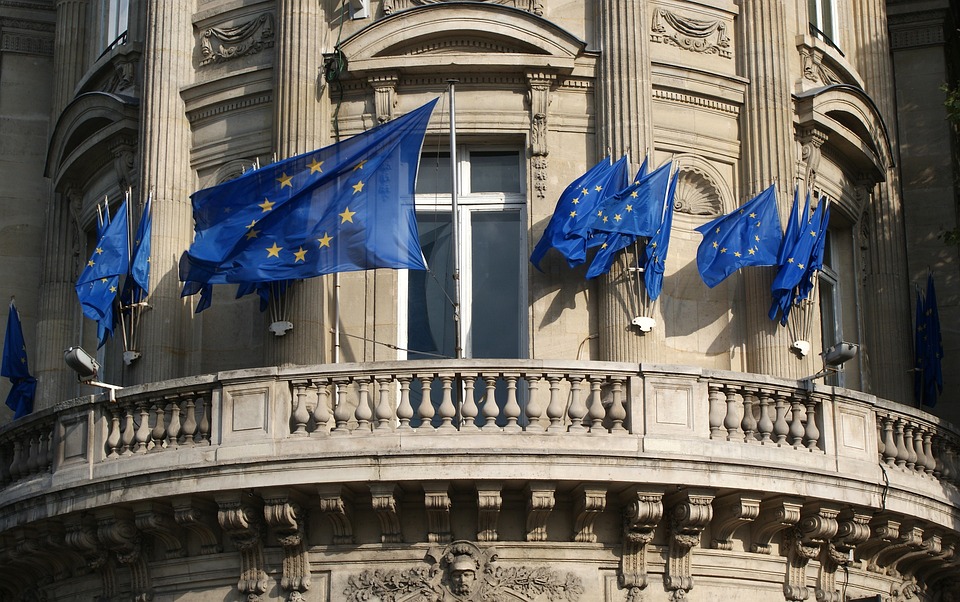
The European Union is considering a proposal that would ban substances, also referred to as “forever chemicals” that are used in thousands of products. The potential ban would mark the bloc’s most extensive regulation of the chemical industry.
The EU is considering the proposal that would ban potentially harmful substances referred to as PFAS or “forever chemicals.” The substances are widely used in thousands of products such as textiles, cars, medical supplies, windmills, and non-stick pans due to their long-term resistance to extreme temperatures and corrosion. PFAS is also linked to health risks such as cancer, hormonal imbalance, and a weakened immune system as well as damage to the environment.
The five countries that collaborated on the legislation, Germany, the Netherlands, Denmark, Sweden, and non-EU member Norway issued a joint statement on Tuesday saying that if the resolution passed, it would be “one of the largest bans on chemical substances ever in Europe.”
“A ban on PFAS would reduce quantities of PFAS in the environment over the long term. It would also make products and processes safer for humans,” said the statement. “In many cases, no such alternatives currently exist, and in some, they possibly never will.”
The five countries have since urged companies to develop alternatives.
The Norwegian Environment Agency’s Audun Heggelund said during a media briefing in Brussels that such substances are now detectable all over the world.
On Thursday, Chinese video-sharing platform TikTok pledged to take more action to tackle disinformation on its platform by adding more safety features and expanding its fact-checking measures, fueled by state-controlled media and the ongoing war in Ukraine. The platform presented its progress report on its efforts to bolster the EU code of practice on disinformation in the past six months. TikTok acknowledged that more work needs to be done.
“While we’re proud to be providing this level of granular detail for the first time, we recognize that there is more work to be done. In the coming months, we’re investing in a number of initiatives,” said TikTok’s director of public policy and government relations, Caroline Greer, in a blog post.
Greer said TikTok would be expanding its state-controlled media labels and ramping up action against disinformation related to the war in Ukraine, expanding the fact-checking program across Europe to include more language coverage, and increasing the volume of claims it has fact-checked.







