


 OpenAI Revenue Hits $50 Billion, Below Earlier $70 Billion Estimate
  Apple Names Steve Smith M&A Chief in Leadership Shakeup
  Xiaomi Shares Surge 7.6% as SkyNomad EV Orders Hit 70,000
  Trump Buys Up to $25M in Meta Stock, Invests in SpaceX Debt
  Disney Expands Infinity Vision to Challenge Imax
  Anthropic Launches Claude Dashboards and Motion AI Tools
  OpenAI Annualized Revenue Hits $50 Billion, Below Earlier Estimates
  Yandex Data Center Hit by Drone Strike as Russia-Ukraine Cyber Infrastructure Attacks Escalate
  Apple Cuts iPhone 18 Pro Production Orders Amid Weak Demand
  Ripple Chairman Chris Larsen Donates $22.5 Million Ahead of US Midterms
  Deutsche Bank CEO Urges Faster German Economic Reforms
  Oracle Uses Trucked Natural Gas to Power AI Data Centers Amid Pipeline Delays
  Bank of America Predicts Yen Rebound as USD/JPY Faces Risks
  Zcash Plans Quantum-Resistant Security Upgrade for January
  INWIT Shareholders Explore $7.1 Billion Take-Private Deal
  Amazon in Talks to Acquire AI Startup Decart for $7 Billion
  DWF Labs Sues BitGo for $114 Million Over Alleged Token Sales Breach


 Add as a preferred source on Google
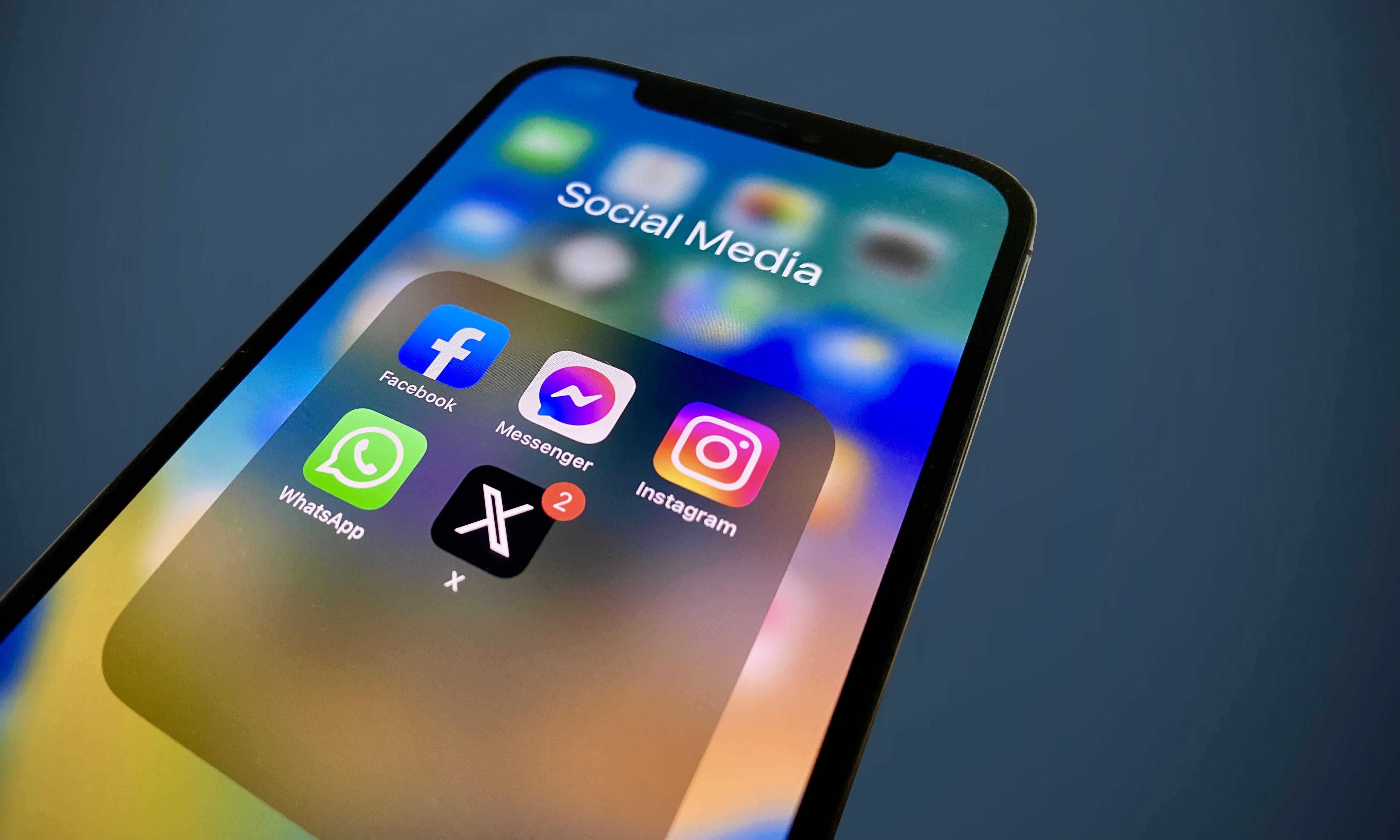
Social media giant X has begun charging a $1 annual subscription fee to new, unverified users in the Philippines and New Zealand. Dubbed "Not a Bot," Elon Musk comments on the new feature's aim to tackle spam.
The Associated Press noted that it's unclear why it only applies to New Zealand and the Philippines or why those countries were chosen.
Concerns and Potential Impact
"This new test was developed to bolster our already successful efforts to reduce spam, manipulation of our platform and bot activity while balancing platform accessibility with the small fee amount," the X support account tweeted. "It is not a profit driver."
However, according to Japan Today, experts have raised concerns about the effectiveness of charging a fee in addressing the problem. Some worry that it might not deter scammers and could worsen the issue. Kolina Koltai, a researcher at the investigative collective Bellingcat, emphasized that scammers could still create multiple bot accounts by spending a relatively small amount of money.
If X decides to implement the $1 fee worldwide, it could have severe consequences for the platform. Koltai warns it may attract an influx of bot accounts, further exacerbating the problem. Moreover, she points out that new users may hesitate to provide their credit card information and pay the fee.
Ineffectiveness in Deterring Bots and Spam
Musk previously introduced premium subscriptions to enhance the platform's revenue. Launching a service that offered blue check verification for a monthly fee of $8 stirred controversy. The increase in impostor accounts compelled a temporary suspension of the verification service shortly after its inception.
Researchers have found that the $8 program has not deterred bots and spam accounts. Furthermore, they highlight that posts from accounts subscribed to the blue-check service can generate income if they go viral, incentivizing the dissemination of content designed for maximum engagement.
New subscribers who opt for the $1 fee gain access to crucial platform functions, including posting content, liking or bookmarking posts, and engaging with posts from other accounts. Conversely, users who do not subscribe will be limited to reading posts, watching videos, and following other accounts.
Photo: Julian Christ/Unsplash







