


 Senate Majority Leader John Thune Moves to Advance Crypto Clarity Act
  OpenAI AI Agent Swarm Behind Hugging Face Hack
  Itochu Offers $1.56 Billion to Privatize Dentsu Soken
  Judge Blocks Trump Mail Voting Order Ahead of 2026 Midterms
  New Zealand Labour Backs Social Media Ban for Under-16s
  Google Changes EU Spam Policy Amid Antitrust Scrutiny
  SK Biopharmaceuticals Secures Global Rights to Biohaven Epilepsy Drug Opakalim
  Trump Buys SpaceX Shares After Record IPO
  Samsung Shares Tumble 8% as $79 Billion Return Plan Disappoints
  Amazon Secures 200 MW Wind Power Deals in Sweden
  SK Hynix Shares Fall as Workers Reject Wage Deal
  US Sailor’s Father Detained by Immigration Authorities
  Honda, Nissan Eye Shared Vehicle Software Platform by 2029
  SEC Moves to Dismiss Insider Trading Case Against Trump-Pardoned Terren Peizer
  GM Plans C$1.1 Billion Canada Investment Amid U.S. Tariff Pressure
  FCC Steps Up China Tech Crackdown as Beijing Pushes Back


 Add as a preferred source on Google
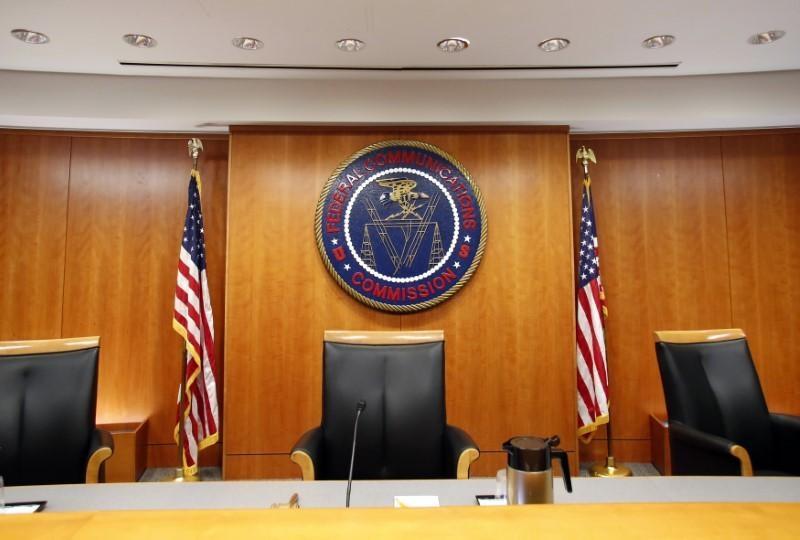
The U.S. Federal Communications Commission (FCC) has approved SpaceX’s request to deploy an additional 7,500 second-generation Starlink satellites, marking a major step forward in the company’s mission to expand global high-speed internet access. With this latest authorization, SpaceX can now operate up to 15,000 Starlink satellites worldwide, significantly strengthening the capacity and reach of its low Earth orbit (LEO) satellite internet network.
The FCC’s decision allows Elon Musk’s SpaceX to enhance its Starlink broadband service by upgrading satellite technology and expanding operational flexibility. In addition to approving the new satellites, the commission granted permission for SpaceX to operate across five different frequency bands. This move is expected to improve network performance, increase data throughput, and reduce latency for Starlink users, particularly in underserved and remote regions.
Importantly, the FCC also waived several prior regulatory requirements that limited overlapping satellite coverage. These restrictions previously constrained network density and capacity. By removing them, SpaceX can deploy satellites in ways that maximize coverage efficiency and deliver faster, more reliable internet service. The waiver is seen as a key enabler for scaling next-generation satellite broadband and meeting growing global demand.
Starlink has already become one of the most prominent satellite internet providers, offering connectivity to millions of users across dozens of countries. The Gen2 Starlink satellites are designed to deliver higher bandwidth and improved performance compared to earlier versions, supporting applications such as streaming, online gaming, remote work, and emergency communications.
The FCC emphasized that the approval aligns with its broader goal of promoting competition, innovation, and expanded broadband access. As SpaceX continues to launch new satellites, the expansion is likely to intensify competition in the satellite communications market and accelerate the rollout of global internet coverage.
Overall, the FCC’s approval represents a significant milestone for SpaceX and Starlink, reinforcing the role of satellite technology in closing the digital divide and shaping the future of global internet infrastructure.







