


 Chinese AI Stocks Rally After OpenAI Launches GPT-6 Astra
  New Zealand Labour Backs Social Media Ban for Under-16s
  Anthropic Drops $6 Billion Decart AI Acquisition Talks
  Longsys Raises $903 Million in Hong Kong IPO as Shares Debut Flat
  U.S. Probes Apex Logistics Over Nvidia AI Chip Shipments to China
  Brazil Court Suspends Sigma Lithium Mine Operations
  Guatemala Receives 2,300 Mexicans Deported From US
  Apple’s Phil Schiller Steps Back as Leadership Shake-Up Accelerates
  SpaceX Turbine Push Unlikely to Threaten Howmet, Bernstein Says
  Nvidia Eyes $2.5 Billion Investment in Thinking Machines Lab
  Amazon Prime Air Cargo Plane Crash Kills Five at Miami Airport
  Judge Blocks Trump Mail Voting Order Ahead of 2026 Midterms
  Pinterest Stock Falls as CFO Julia Brau Donnelly Resigns
  New Zealand Moves to Ban Social Media for Children Under 16
  Microsoft to Reveal Azure Revenue in Major Reporting Shake-Up
  GSM Eyes US, Europe Expansion Ahead of 2028 Hong Kong IPO


 Add as a preferred source on Google
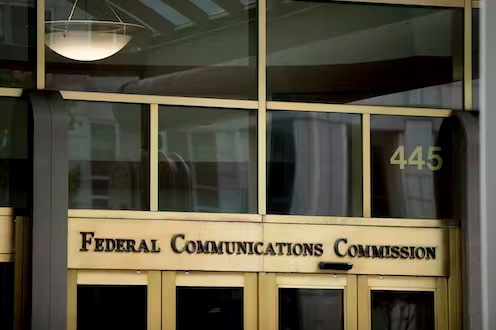
The Federal Communications Commission (FCC) has finalized new rules prohibiting Chinese laboratories considered national security risks from testing electronic devices—including smartphones, cameras, and computers—for the U.S. market. The decision, passed unanimously in a 4-0 vote, targets labs suspected of ties to the Chinese Communist Party, state-owned enterprises, or the Chinese military.
The FCC emphasized that all electronics imported into the U.S. must pass its equipment authorization process, with approximately 75% currently tested in China-based labs. FCC Chair Brendan Carr warned that compromised labs could allow insecure technologies into the U.S. telecom infrastructure, posing significant risks.
The new rules prevent any lab under the control of firms listed on the FCC’s “Covered List”—which includes Huawei, ZTE, Hikvision, Dahua, and Hytera—from certifying devices for U.S. use. The FCC will revoke recognition of any lab found to be linked to such entities. This follows a 2022 FCC ban on approvals for equipment from these firms.
In a further step, the FCC is soliciting public feedback on whether to broaden the testing ban to all labs in China and other nations classified as foreign adversaries. It also advanced a proposal that would require organizations with substantial ties to such countries to disclose all FCC-issued licenses and authorizations.
China’s Embassy in Washington condemned the move, accusing the U.S. of politicizing trade and technology under the guise of national security.
The FCC also disclosed ongoing investigations into nine Chinese firms, including Huawei, China Mobile, and China Telecom, to assess whether they are circumventing existing U.S. restrictions.
This regulatory shift reflects heightened scrutiny of Chinese tech companies and a broader push to safeguard U.S. telecommunications networks from potential foreign threats.







