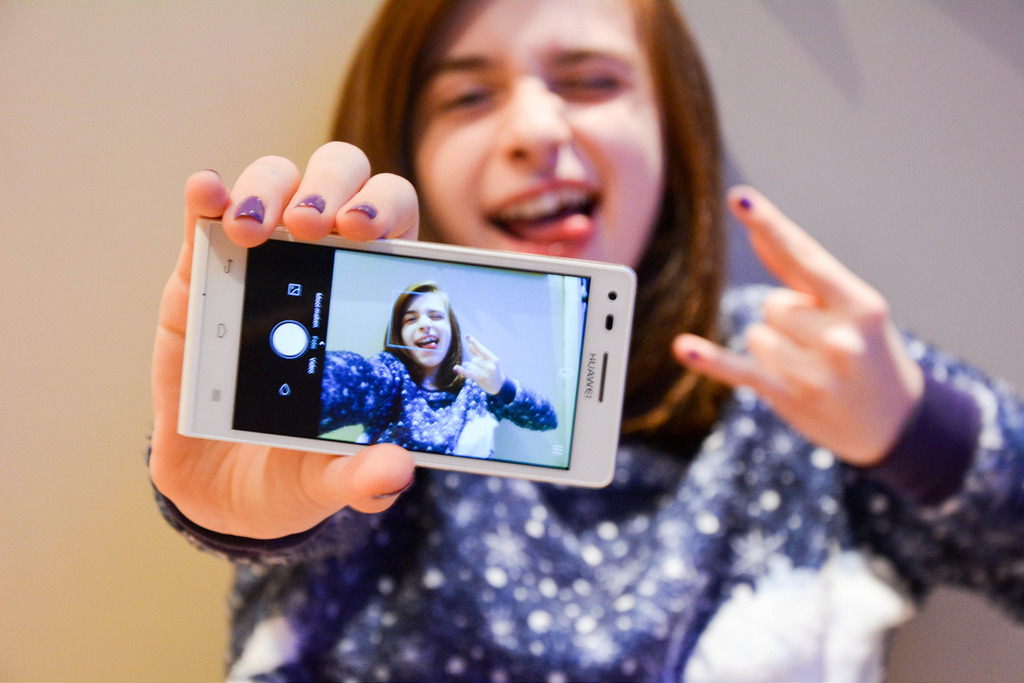
CAPTCHAs are some of the most annoying aspects of the internet that users often have to deal with. Now, Facebook seems to be implementing a similar approach but with selfies instead of words or images. Basically, the social network has been asking some users to send a selfie of themselves in order to prove they are not a bot and unlock their own accounts.
The selfie that users need to send to Facebook needs to clearly show the face of the account holder in order to unlock their profile, WIRED reports. The social network confirmed that it was conducting such identity tests when a screenshot of the process was posted on Twitter.
a friend sent me this: Facebook is now locking users out of account features, then demanding that those users "verify" their account to get back in by scanning an image of their face. AN IMAGE OF THEIR FACE. pic.twitter.com/T4TIsJFxX8
— can Amy Goodman pls stop inviting Assange on thx (@flexlibris) November 28, 2017
When users try to login to their Facebook accounts, the site will send them a prompt that reads: “Please upload a photo of yourself that clearly shows your face. We’ll check it and then permanently delete it from our servers.” Apparently, this new feature is intended to prevent suspicious activities such as people creating fake accounts on Facebook.
This particular method is apparently automated as well and the intent is to identify if the photo sent is unique. Facebook declined to provide further details, which a spokesperson said is to prevent the system from being manipulated, The Verge reports.
The new feature is apparently rolling out globally, so users from different countries can expect to be prompted to send Facebook a selfie. It likely won’t impact every user on the platform, especially those who don’t have multiple accounts or travel a lot.
The only account holders who are likely to be asked to submit to a selfie test are those who have more than one Facebook profile or who sign in to numerous and varied locations. Anyone who has been forced to go through this step will need to wait for Facebook to contact them before they can access their accounts, which could take up to 72 hours.