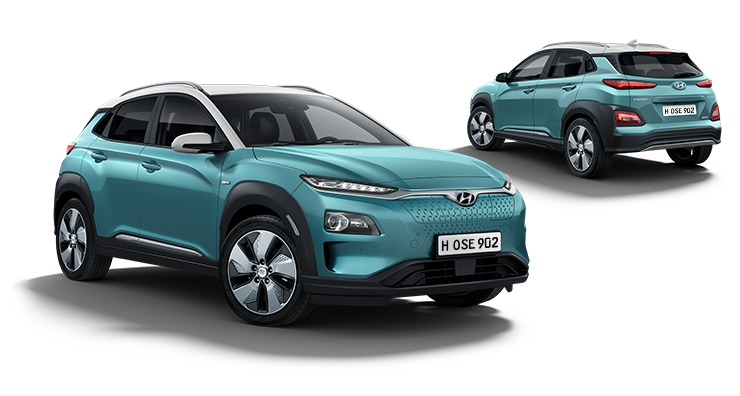
Hyundai Motor Co. will voluntarily recall 25,564 Kona Electric models due to a possible short circuit in the faulty battery cell system that may lead to a fire.
The affected vehicles were those manufactured between Sept. 29, 2019, and March 13, 2020.
According to the Ministry of Land, Infrastructure, and Transport, the carmaker will start updating the battery-related software program for the EV vehicles subject to the recall beginning Oct. 16.
There were 13 cases of fires in the model reported since 2018.
LG Chem Ltd., which supplies lithium-ion car batteries to Hyundai Motor, said that it is still determining the exact cause of the fires in the Kona Electric car.
LG Chem pledged to investigate the cause of the fire in the Kona Electric jointly with Hyundai Motor will jointly investigate the exact cause of the fires.



Tesla Q2 Deliveries Lift Chinese Auto Suppliers as EV Demand Improves
Meta Stock Jumps as AI Cloud Expansion Challenges AWS, Microsoft, and Google
Sodexo Raises 2026 Revenue Outlook After Strong Q3 Sales Beat
Norway Offshore Oil Workers Reach Wage Deal, Averting Strike
Suncorp Cuts 2026 Premium Growth Forecast as Australia, New Zealand Markets Weaken
Apple Eyes Chinese Memory Chips as AI Shortage Pressures iPhone Supply Chain
TetherMax Rebranding Highlights Official Exchange Partnerships as Foundation of Trust
Lockheed Martin Emerges as Frontrunner to Acquire Ultra Maritime in $3.5 Billion Defense Deal
BHP Workers Approve New Labour Agreement at WA Iron Ore Operations
Trump Administration to Launch Voluntary AI Standards for Frontier Models
Chinese Copper Foil Maker Londian Files U.S. IPO as EV Battery Demand Grows
Kuaishou Stock Jumps as Kling AI Secures $2 Billion Funding Round
easyJet Agrees in Principle to £5.23 Billion Castlelake Takeover Offer
EU Chip Industry Faces Growing Risks From China Export Controls and U.S. Technology Dependence: Report
OpenAI Proposes 5% U.S. Government Stake Amid AI Policy Talks
Texas Man Charged After Fatal Tesla Full Self-Driving Crash in Katy
Anthropic Tightens AI Access Controls After Reports of China-Based Workarounds 


