


 Fed’s Williams Signals One More Rate Hike Before Year-End
  BOJ Set for Rate Hike as Inflation and Yen Pressure Mount
  UK Housebuilder Stocks Surge on New First-Time Buyer Loan Scheme
  Gold Rebounds as Oil Falls and Treasury Rout Eases
  Central Banks Could Buy 20,000 Tonnes of Gold: BofA
  RBI Uses $10 Billion Currency Swaps to Drain Excess Rupee Liquidity
  Asian Currencies Weaken as Dollar, Oil Prices Rise
  Trump Eyes $54 Billion South Korean Investment in Alaska LNG
  Fed Unveils Stablecoin Rules Under GENIUS Act
  BlackRock’s Rick Rieder Favors Bonds Over Stocks as Treasury Yields Surge


 Add as a preferred source on Google
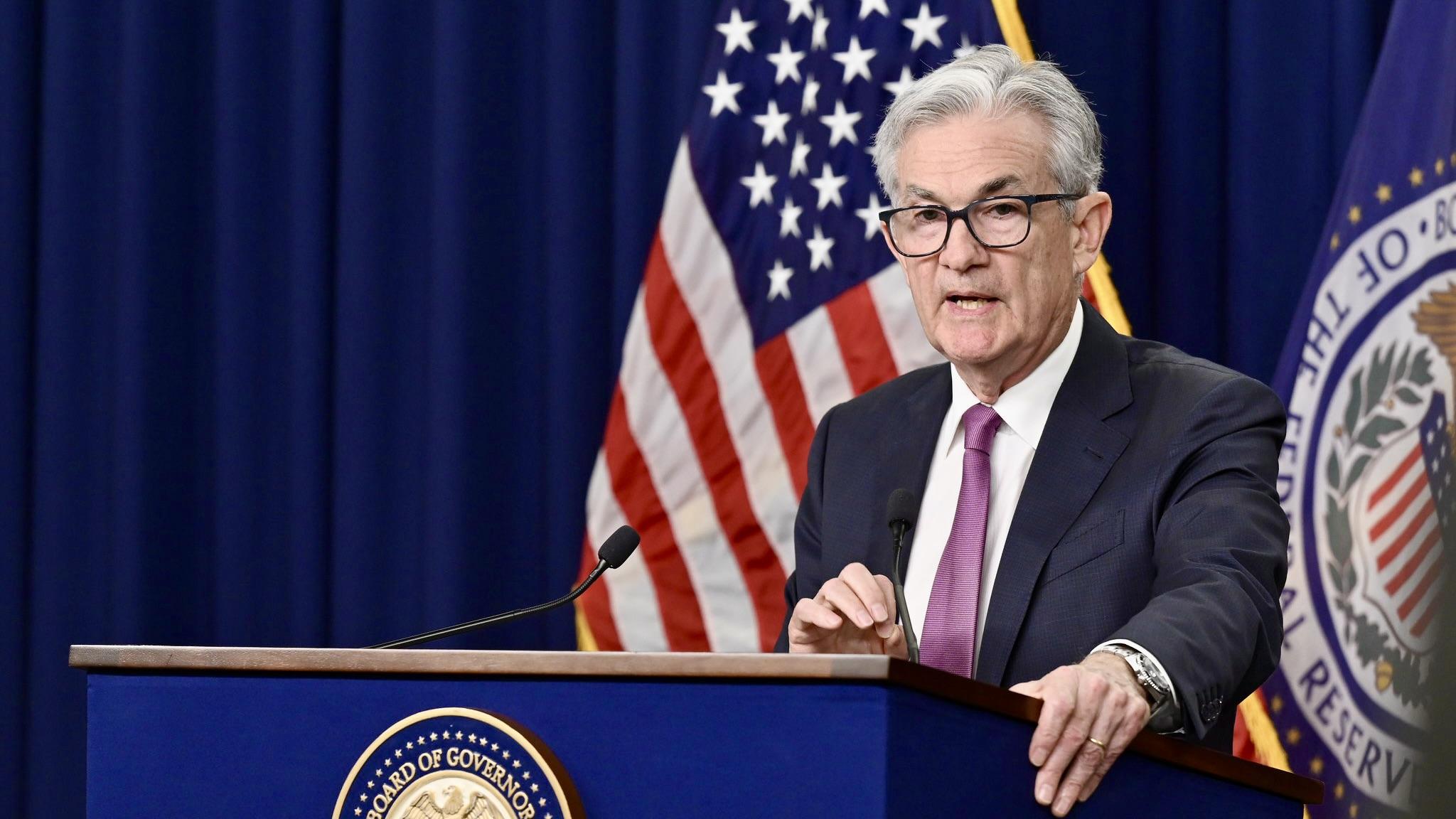
The Federal Reserve is widely anticipated to keep interest rates unchanged at its July meeting, maintaining a data-dependent stance as markets await clearer guidance at next month’s Jackson Hole symposium. Bank of America economists suggest Fed Chair Jerome Powell may use the high-profile event to signal the next policy shift rather than preempting it this week.
Markets expect no immediate policy change but will closely analyze Powell’s remarks for clues on inflation risks, particularly amid higher goods prices linked to recent tariff increases. Economists warn that a hawkish tone emphasizing tariff-driven inflation could unsettle markets, while dovish messaging may bolster hopes for rate cuts later this year.
Labor market conditions remain central to the Fed’s decision-making. July’s jobs report is forecast to show modest payroll growth of 60,000 and an uptick in unemployment to 4.2%, reflecting slower hiring. Bank of America has revised its outlook lower, projecting average payroll gains of 50,000 in the second half of 2025 due largely to supply constraints from tighter immigration policies rather than falling demand.
The central bank faces growing internal divisions, with Governor Christopher Waller expected to dissent in favor of a 25 basis point cut, while other members, including New York Fed President John Williams and Atlanta Fed President Raphael Bostic, remain cautious about inflation risks. Powell is expected to reiterate a patient, data-driven approach until more economic data emerges ahead of Jackson Hole.
Investors now look to August as a potential turning point for the Fed’s policy path, setting the stage for heightened market volatility through the summer as inflation, labor trends, and trade tensions continue to shape expectations.







