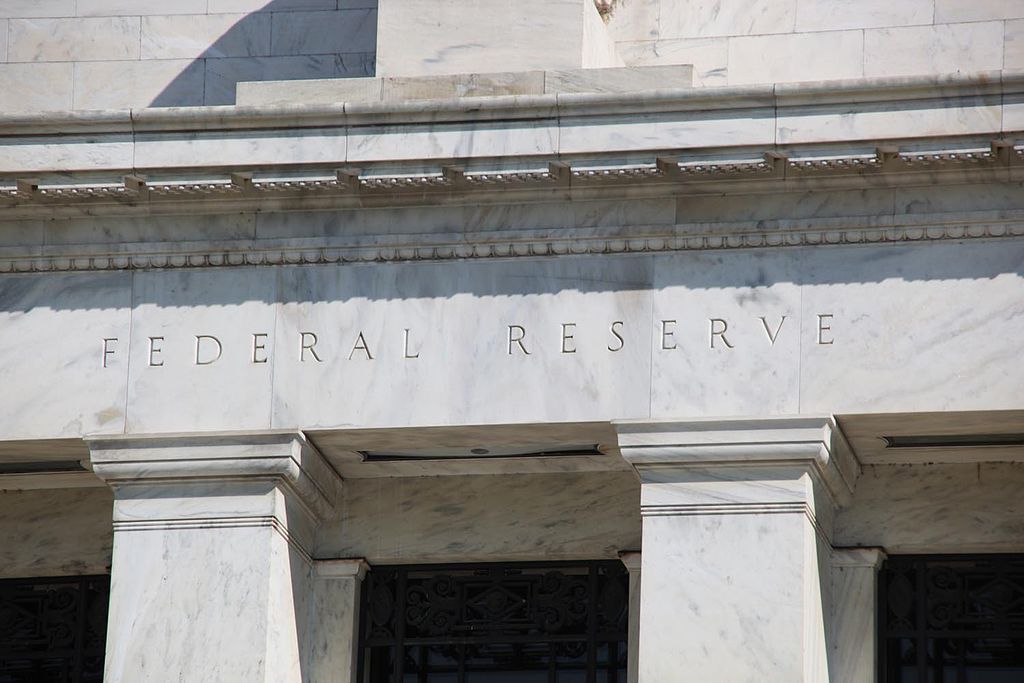
The Federal Reserve is navigating a challenging policy landscape as new tariffs introduced by President Donald Trump raise the risk of stagflation—slower economic growth combined with rising inflation. According to The Wall Street Journal, the Fed now faces a critical decision: delay rate cuts and risk recession, or act too soon and fuel inflation.
The tariffs are disrupting global supply chains and increasing import costs, potentially pushing consumer prices higher. This adds to inflationary pressure at a time when economic growth is already showing signs of slowing. Fed officials are expected to keep interest rates unchanged during this week’s policy meeting as they assess the dual threat to inflation and the labor market.
Policymakers are reportedly split. Some favor a cautious wait-and-see approach, citing lingering inflation risks and uncertainties around business and consumer responses to the tariffs. Others worry that failing to respond to weakening economic indicators could lead to a sharper downturn.
The core dilemma is whether inflation will prove transitory or become entrenched. The Fed is also mindful of avoiding past mistakes, such as underestimating inflation following the COVID-19 recovery. For now, the consensus appears to be in favor of patience, even at the cost of short-term economic pain.
Market expectations suggest the Fed may wait for more definitive signs of economic stress before making any policy shift. If inflation expectations among consumers and businesses remain anchored, the Fed could have more room to maneuver. However, if those expectations rise, interest rate cuts could be delayed further, despite weaker growth.
This delicate balancing act highlights the Fed’s high-stakes role in guiding the U.S. economy through increasing geopolitical and economic uncertainty.