


 BOJ Set to Raise Rates to 1.25% as Inflation Risks Build
  RBI Uses $10 Billion Currency Swaps to Drain Excess Rupee Liquidity
  U.S. Stock Futures Steady as AI, Rate Concerns Weigh
  Yen Sinks as BOJ Rate Hike Fails to Impress Markets
  China, US Extend Trade Truce Through January 10 After Trump-Xi Summit
  RBA Hikes Interest Rate to 4.60% as Inflation Risks Rise
  Japanese Yen Retreats as Dollar Rises Ahead of Fed, BOJ Rate Decisions
  Asian Stocks Fall as Bond Yields and Oil Prices Surge
  Australia Budget Deficit Narrows to A$22.3 Billion on Stronger Tax Revenue
  Fed Unveils Stablecoin Rules Under GENIUS Act
  Central Banks Could Buy 20,000 Tonnes of Gold: BofA
  RBA Set for September Rate Hike as Inflation Stays High
  U.S. Stock Futures Fall as Iran, Oil and AI Risks Rattle Markets
  Asian Currencies Mixed as Yen Weakens, RBA Hike Looms


 Add as a preferred source on Google
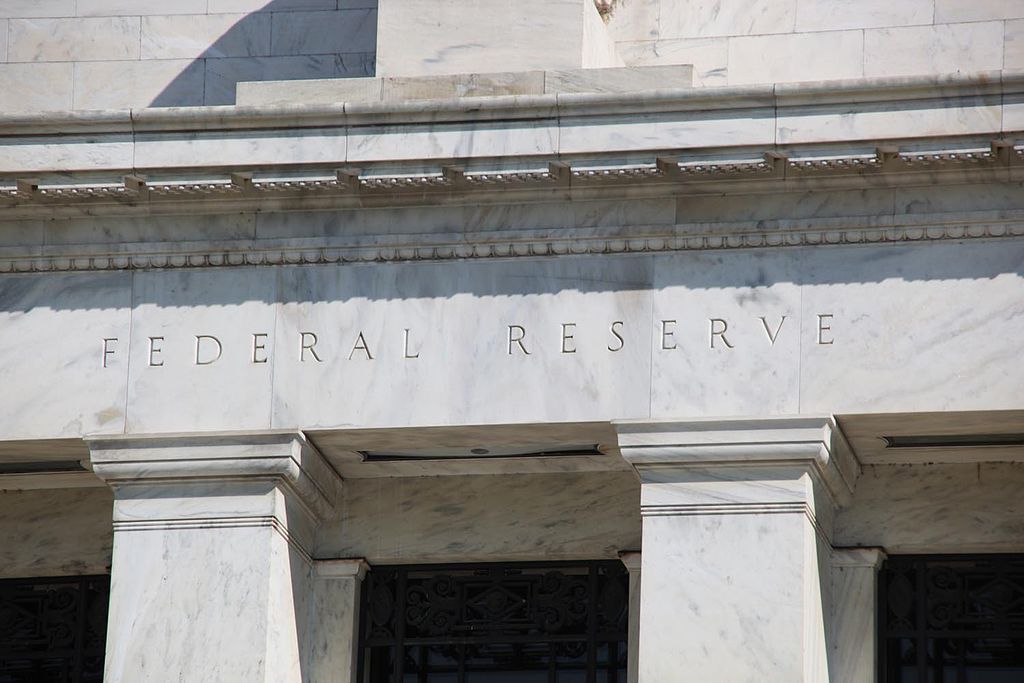
The upcoming Federal Reserve meeting is shaping up to be one of the most closely watched and contentious in years, with investors focused on how divided policymakers are over a potential interest-rate cut and the signals Chair Jerome Powell may send about the path ahead. Five of the 12 voting members of the Federal Open Market Committee have expressed skepticism toward additional easing, while three members of the Board of Governors support a cut. Such internal division is rare—the FOMC has not seen three or more dissents since 2019, and it has occurred only nine times since 1990—raising the stakes for next week’s decision.
Analysts say the divide underscores the Fed’s challenge of balancing its dual mandate of stable inflation and full employment. Recent economic data has offered mixed signals. Inflation, measured by the Personal Consumption Expenditures Price Index, aligned with expectations, and consumer sentiment strengthened in December. Meanwhile, jobless claims dropped to their lowest level in more than three years, reinforcing expectations for a rate cut, with markets pricing in an 84% chance of a quarter-point reduction, according to LSEG data.
The Fed last lowered rates on October 29, the second consecutive 25-basis-point cut this year. However, Powell unsettled markets by cautioning that a December cut was “not a foregone conclusion,” causing stocks to retreat. Still, many strategists argue the December move matters less than the Fed’s course in early 2026, noting that any immediate market impact will likely be modest since a cut is widely anticipated.
Complicating the decision is a significant data backlog caused by a 43-day government shutdown that delayed key employment reports. With missing household survey data and delayed unemployment figures, policymakers face heightened uncertainty. Some economists warn that markets may be underestimating the possibility that the Fed holds steady. Observers say the level of dissent—especially with several regional presidents rotating off the committee—will offer deeper insight into the Fed’s evolving internal dynamics and its direction under future leadership.







