


 Trump Demands Powell Resign Over Fed Renovation Cost Overruns
  Fed’s Hammack Says Bond Yield Surge Is Not Driven by Inflation Fears
  ECB May Stop Rate Hikes After December, Capital Economics Says
  BlackRock’s Rick Rieder Favors Bonds Over Stocks as Treasury Yields Surge
  Best Gold Stocks to Buy Now: AABB, GOLD, GDX
  BOJ Set for 25-Basis-Point Rate Hike as Yen Weakness Fuels Inflation
  FxWirePro: Daily Commodity Tracker - 21st March, 2022


 Add as a preferred source on Google
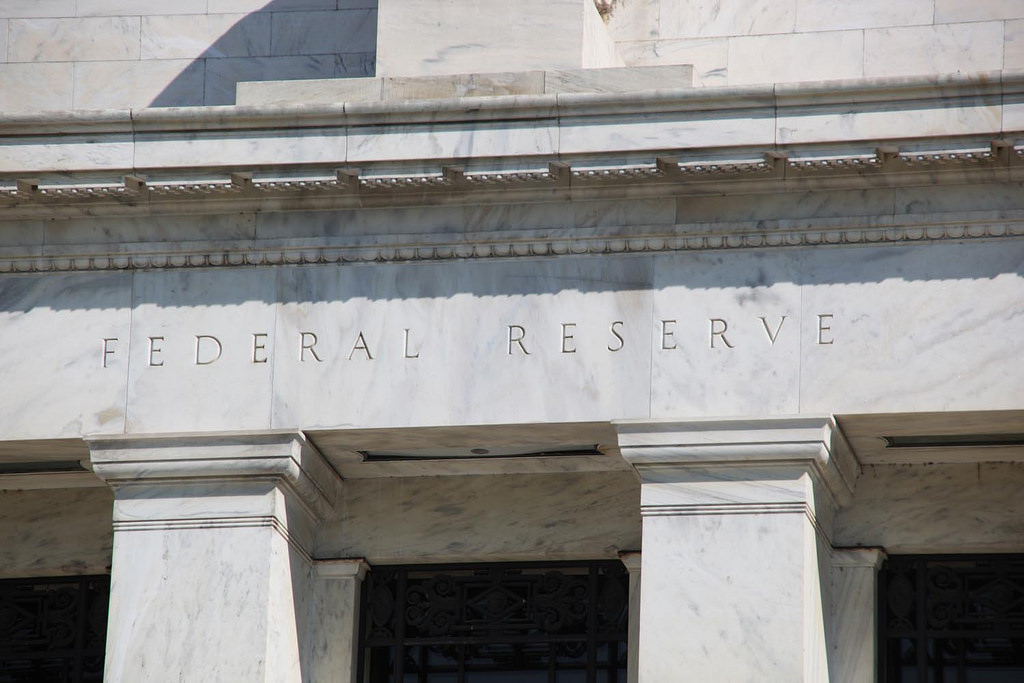
As widely expected, the US Federal Reserve left the Fed funds target range unchanged at 0.25 to 0.50, postponing further monetary tightening. This is the fourth straight meeting in which the FOMC has decided against a rate hike. The post-meeting statement also took a more dovish tone, with some indication that the central bank may hike rates only once this year, instead of the two increases previously flagged.
The central bank lowered its economic growth forecasts for 2016 and 2017 and indicated it would be less aggressive in tightening monetary policy after the end of this year. The Fed's more dovish projections come less than two weeks after a Labor Department report showed a 38,000 increase in nonfarm payrolls for May, well below the expectations of 160,000. A sharp slowdown in US hiring in May was unsettling, however, more recent data have indicated that jobs report may have been a blip.
In a marked departure from the earlier statements, the Fed said, “The pace of improvement in the labor market has slowed.” In the previous many FOMC statements, the Fed had stressed on the strength of the labour market while economic growth remained sluggish. It added, however, that economic activity will expand at a moderate pace and labor market indicators will strengthen even with gradual rate increases.
Highlighting the Brexit risk, Yellen said, "It is a decision that could have consequences for economic and financial conditions in global financial markets. If it does so, it could have consequences in turn for the US economic outlook that would be a factor in deciding on the appropriate path of policy."







