


 Strategy’s STRC Nears $100, Raising Prospects for Major Bitcoin Buys
  BOJ Raises Interest Rate to 31-Year High as Yen Weakens
  RBI Uses $10 Billion Currency Swaps to Drain Excess Rupee Liquidity
  Asian Currencies Steady as Dollar Holds Near 18-Month High
  Asian Currencies Slide as Dollar Rises, Euro Hits 17-Month Low
  RBA Says ASX Still Falls Short on Governance and Risk Controls
  Yen in Focus as BOJ, Fed Rate Hikes Reshape Currency Markets
  Gold Prices Slip as Strong Dollar and High Treasury Yields Weigh
  Asian Stocks Rise as Nasdaq Record Offsets Bond Yield Pressure
  US Stock Futures Rise as Weak Jobs Data Eases Fed Hike Bets
  Fed Unveils Stablecoin Rules Under GENIUS Act
  Middle East Oil Exports Top Pre-War Levels Despite Hormuz Attacks
  Bitcoin Outflows From Binance Hit Three-Year High as Whales Accumulate
  Ukraine Faces $56 Billion Budget Gap as War Costs Soar


 Add as a preferred source on Google
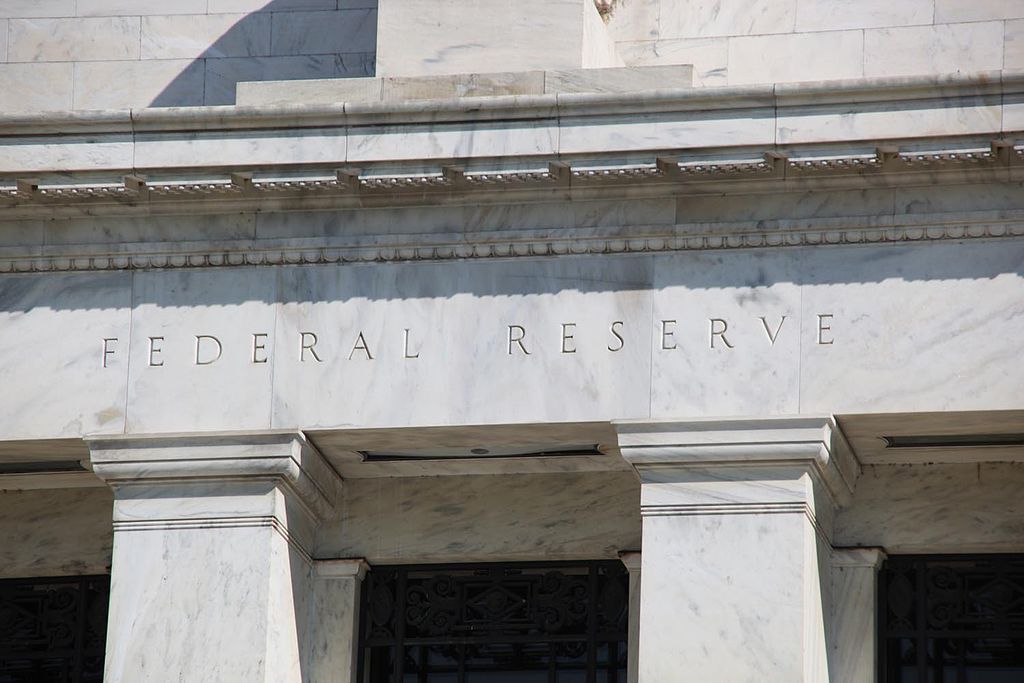
Minneapolis Federal Reserve President Neel Kashkari has warned that President Donald Trump’s trade tariffs could trigger stagflation—a mix of stagnant growth and persistent inflation. In an interview with Bloomberg TV, Kashkari said the tariffs represent a significant supply shock that is likely to push prices higher while weakening economic growth.
Kashkari emphasized the Fed’s current uncertainty regarding the direction of inflation and the labor market, noting that it’s unlikely the central bank will have enough clarity to adjust interest rates by September. “Uncertainty is something that we are dealing with at the Fed,” he said, underscoring the unpredictable impact of the evolving trade environment.
He further warned that American consumers have yet to feel the full effects of Trump’s tariffs. “There’s no question that the shock of tariffs is stagflationary,” Kashkari stated, adding that the extent of the damage depends on how high the tariffs rise and how long they remain in place. He indicated that if tariffs are rolled back quickly, their inflationary and growth-dampening impact may be limited.
Kashkari also addressed recent volatility in U.S. Treasury yields, noting that global investors are reassessing their confidence in U.S. assets amid rising debt concerns. The surge in yields comes as Moody’s recently downgraded the U.S. sovereign credit rating, highlighting growing worries over fiscal health.
Trump’s trade policy has remained a key source of market uncertainty, especially after several reversals on major tariff decisions. His aggressive stance on China led to a prolonged trade war, although recent talks in May signaled a temporary de-escalation.
With inflation risks rising and policy clarity lacking, Kashkari’s remarks highlight growing concerns at the Federal Reserve about the long-term economic impact of protectionist trade measures.







