


 NATO Commander Warns Russia of Devastating Response to Attack
  Greenland Lawmakers Back Trump Security Deal Despite Economic Concerns
  Most Americans Oppose Election Betting on Prediction Markets, Poll Finds
  Elon Musk Donates $366 Million to 2026 US Midterms
  Kim Jong Un Showcases ICBM Ahead of Possible Trump Meeting
  Trump Defends Russian Diesel Deal Amid US Sanctions Backlash
  Pakistan Declares Emergency in Khyber Pakhtunkhwa, Suspends Imran Khan’s PTI Government
  European Auto Stocks Rise as EU-China Trade Deal Targets Hybrid Imports
  India Voter List Protests Reach Supreme Court as Opposition Demands Election Chief's Resignation
  MI5 Warns of Rising Iran, Russia Threats and AI Bioweapon Risks
  Djibouti Migrant Boat Capsizes, Killing 139 and Leaving 84 Missing
  US Condemns China Sanctions on Taiwan Allies Belize and Paraguay
  US Authorities Raid Ilhan Omar’s Home Amid Immigration Fraud Probe
  North Korea Fires Ballistic Missiles Amid Rising Tensions With South Korea
  Flavio Bolsonaro Backs Brazil’s 40-Hour Workweek Reform Ahead of Runoff
  US Supreme Court Denies Release of Anti-ICE Activist Kyle Wagner
  Mahmoud Abbas Postpones Palestinian Elections to September 2027


 Add as a preferred source on Google
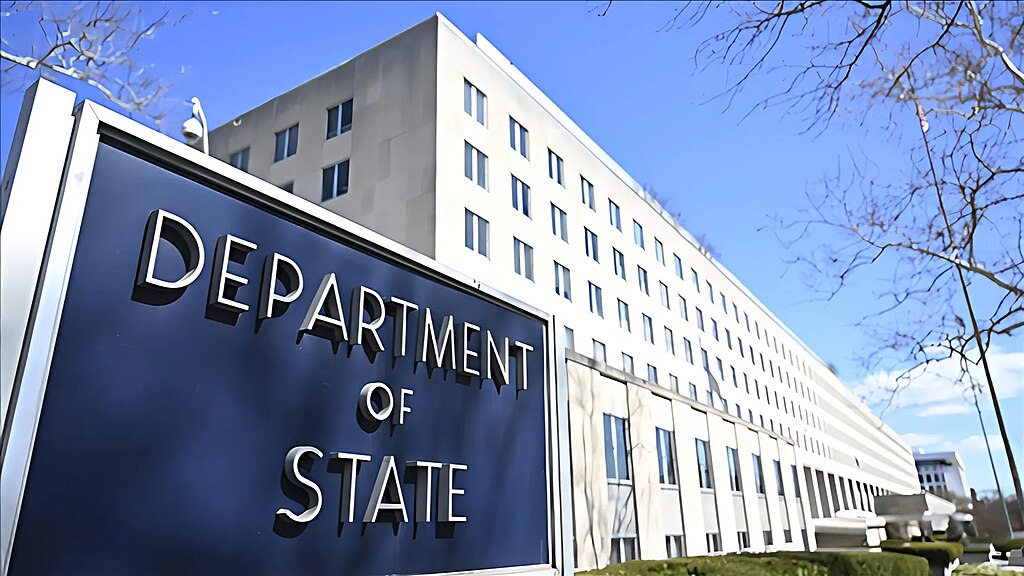
The United States has recalled its acting envoy to Nicaragua, Elias Baumann, to Washington for urgent diplomatic consultations after the Nicaraguan government rejected Washington’s choice for ambassador, Natasha Franceschi, the US State Department announced Tuesday.
The diplomatic dispute marks another escalation in tensions between the United States and Nicaragua, where relations have deteriorated amid political disagreements, allegations of foreign interference, and growing security concerns.
According to the State Department, Baumann returned to Washington for "critical consultations" following the decision by Nicaragua’s co-Presidents Daniel Ortega and Rosario Murillo to reject the proposed US ambassador.
Washington strongly criticized the move, accusing Nicaragua’s leadership of undermining diplomatic engagement while publicly advocating mutual respect between the two countries.
The State Department said the rejection "demonstrates the hypocrisy of their rhetoric of mutual respect and their desire to engage in political theater at the expense of the Nicaraguan people."
Nicaragua’s presidency did not immediately respond to requests for comment regarding the diplomatic dispute.
The latest confrontation comes as Ortega continues to accuse the US government of interfering in Nicaragua’s domestic political affairs. His administration has repeatedly criticized Washington’s involvement through regional organizations, including the Central American Parliament and the Organization of American States.
Nicaragua has faced a prolonged political crisis since April 2018, when widespread unrest triggered international criticism of the government’s response to opposition movements.
Political tensions have remained elevated, particularly following the Nicaraguan government’s announcement that the country would no longer conduct elections, raising concerns about democratic governance and political freedoms.
Meanwhile, security cooperation between Nicaragua and foreign powers has become another source of friction with Washington.
US officials previously alleged that security personnel from an unidentified country outside the Western Hemisphere were providing training to Nicaraguan police and sharing intelligence with local authorities.
Although Washington did not identify the country involved, Nicaragua maintains security cooperation agreements with Russia and China, two major geopolitical competitors of the United States.
The rejection of Franceschi and Baumann’s subsequent return to Washington highlight the continuing deterioration of US-Nicaragua diplomatic relations, with uncertainty surrounding future diplomatic engagement between the two governments.







