


 Ledger Investigates Alleged $86 Million Crypto Wallet Theft
  Xiaomi Shares Surge 7.6% as SkyNomad EV Orders Hit 70,000
  Iran Refuses to Halt Uranium Enrichment Amid US Nuclear Demands
  US Dollar Hits 18-Month High as Fed Signals More Rate Hikes
  Trump Secures Russian Diesel Deal as US Fuel Prices Surge
  Stellar Overtakes Ethereum in RWA Fund Inflows as XRP Leads Commodities
  Oil Prices Rise as Hormuz Risks Offset IEA Stock Release
  OpenAI Revenue Hits $50 Billion, Below Earlier $70 Billion Estimate
  Bank of America Predicts Yen Rebound as USD/JPY Faces Risks
  DWF Labs Sues BitGo for $114 Million Over Alleged Token Sales Breach
  US Suspends Microsoft, Adobe From Green Card Program
  Disney Expands Infinity Vision to Challenge Imax
  Trump Calls for Zelenskyy Replacement Amid Russian Diesel Deal
  Blockchain.com Seeks CFTC Approval for Prediction Markets and Crypto Derivatives
  Polkadot Launches dotUSD Stablecoin as DOT Price Falls
  Asian Stocks Mixed as OpenAI Revenue Concerns Hit Chipmakers
  Apple Supplier Luxshare Sees Limited Impact From US Patent Probe


 Add as a preferred source on Google
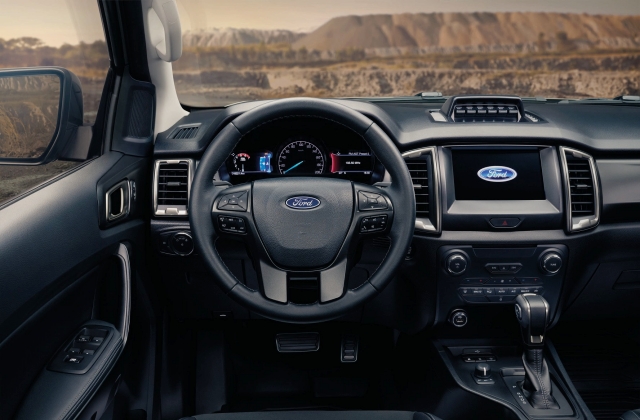
Ford Korea’s sales and service division was called out by the country’s Fair Trade Commission for stating that one of its vehicle models has a rear braking support system when there is none. The S. Korean trade watchdog said on Monday, May 31, it requested the local importer and seller of Ford to correct the false claim in its marketing materials.
The issue with incorrect advertising information
As per The Korea Herald, the FTC said that the seller of Ford in South Korea published an advertisement in 2019, stating that Ford Explorer Limited sport utility vehicle is equipped with a reverse braking system. The agency said this is a false claim because there is none.
It was said that in the automaker’s official website and brochures, it was claimed that the said braking system helps drivers to reverse the SUV “more confidently” and could also prevent collisions. However, the FTC reiterated that the Ford Explorer Limited does not have this function, for there is no such system in the vehicle.
It was reported that the issue was brought to FTC’s attention after customers filed complaints with the agency. The office has taken action, and it was said that Ford Korea immediately pulled out all its brochures that contain incorrect wording and deleted the related advertisement from its website as well.
“Advertising as if the car had the reverse braking support system is seen as a misleading and exaggerated claim,” the FTC said in a statement. “Such a claim over the reverse braking support system, which is an important factor to consider when purchasing a car, can disturb consumers’ rational decision-making processes so even though the advertisement is withdrawn, we are issuing a correction order to prevent a recurrence.”
Previous false ad involving Ford
It turned out that this is not the first time that Ford was called out for false advertising. It was reported that a Ford distributor was disciplined for releasing false claims. Sunin Motors was slapped with ₩150 million or $134,590 fine for claiming that Ford Taurus was fitted with the Hill Start Assist function when it was not, and this was in 2015.
“Regular consumers may misunderstand the advertisement as if the actual feature is installed,” Korea Joongang Daily quoted FTC as saying at that time. “This makes it difficult for consumers to make an informed product selection.”







