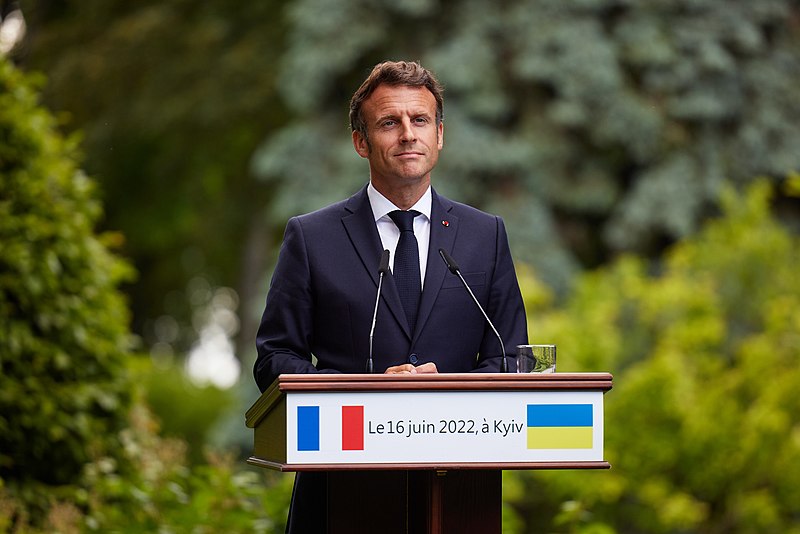
France held its legislative elections over the weekend, which would determine which political faction would hold the majority in the French parliament. In what would appear to be a surprising reversal, the faction of President Emmanuel Macron lost its absolute majority.
Reuters reports Macron’s centrist Ensemble Coalition fell short of maintaining its absolute majority in the French parliament following the recent legislative elections that took place Sunday. The near-final results of the races showed that despite being on track to control most seats, the coalition fell short of having an absolute majority.
A left-wing alliance was expected to be the major opposition group, while the right-wing faction gained wins.
Finance minister Bruno Le Maire called the results a “democratic shock,” and if other factions did not cooperate, it would obstruct the French government’s “capacity to reform and protect the French.” Despite the results, Le Maire said he is not worried.
Le Maire was also pressed on the possible alliances for Macron to secure power, which he said the top four priorities were “labor, security, Europe, and climate.”
“The result is a risk for our country in view of the challenges we have to face,” said Prime Minister Elisabeth Borne, adding that moving forward, Macron’s party will have to forge alliances with others. Macron may also call for a snap election should a legislative gridlock remain.
Back in April, Macron became the first French president to win a second term in 20 years, as voters looked to keep the right-wingers out of power.
With the recent legislative results, Macron and his allies may have to decide whether to establish an alliance with the conservative Les Republicans or run a minority government that will have to negotiate with other parties on legislation.
A source close to the French leader told Reuters Monday that Macron will be inviting all political parties to form a group in the new parliament for discussions on Tuesday and Wednesday. With a hung parliament, Macron and his party would be under pressure to secure alliances in order to revive his reform agenda.
Should Macron fail, France may see a period of political paralysis.