


 Most Americans Oppose Election Betting on Prediction Markets, Poll Finds
  Trump Denies Russia and China Are Helping Iran in U.S. Conflict
  Russian Strikes Kill Six in Ukraine, Including Three in Kharkiv
  Trump Defends Russian Diesel Deal Amid US Sanctions Backlash
  UK Finance Minister Healey Calls for Fiscal Discipline Amid Global Risks
  Mahmoud Abbas Postpones Palestinian Elections to September 2027
  NATO Commander Warns Russia of Devastating Response to Attack
  US Authorities Raid Ilhan Omar’s Home Amid Immigration Fraud Probe
  India Voter List Protests Reach Supreme Court as Opposition Demands Election Chief's Resignation
  Elon Musk Donates $366 Million to 2026 US Midterms
  Zelenskiy Offers Russia Energy Truce Amid Trump Pressure
  US Judge Blocks Trump Administration’s Taxpayer-Funded Political Ads
  Trump Sanctions International Criminal Court, Sparking EU Backlash
  European Auto Stocks Rise as EU-China Trade Deal Targets Hybrid Imports
  North Korea Fires Ballistic Missiles Amid Rising Tensions With South Korea
  US Condemns China Sanctions on Taiwan Allies Belize and Paraguay
  Greenland Lawmakers Back Trump Security Deal Despite Economic Concerns


 Add as a preferred source on Google
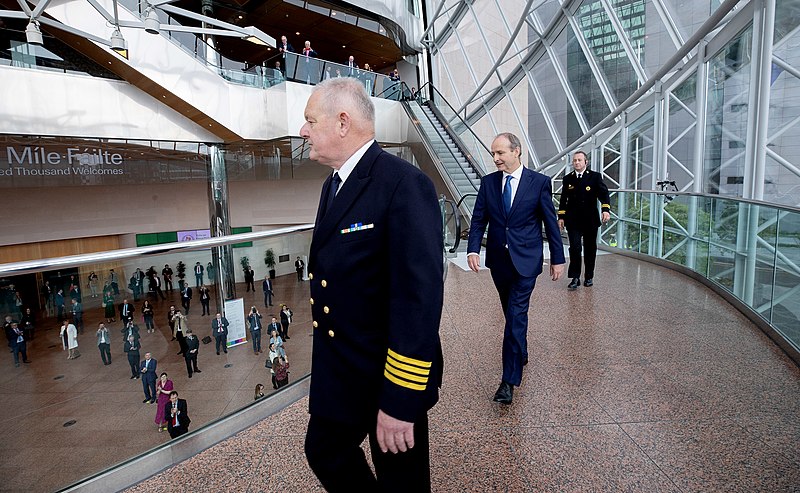
The United Kingdom’s introduction of a law that would unilaterally alter the Northern Ireland protocol has led to some criticism. Irish Prime Minister Micheal Martin voiced his criticism towards the British legislation, urging the UK to resume discussions with the bloc over its potential trade law for Northern Ireland.
Speaking to the BBC, Martin criticized the UK’s proposal to ease trade with the province and that London must resume discussions with the European Union to solve issues surrounding the arrangement.
The UK’s law regarding the province would involve scrapping checks on the rest of UK goods arriving in Northern Ireland while challenging the European Court of Justice to decide on parts of the deal agreed upon by the EU and the UK when Britain left the bloc.
“It’s not acceptable, it represents unilateralism of the worst kind,” said Martin. “We accept fully there are legitimate issues around the operation of the protocol and we believe with serious negotiations between the European Union and United Kingdom government, those issues could be resolved.”
“If this bill is enacted, I think we’re in a very serious situation,” Martin continued. “What now needs to happen is really substantive negotiations between the British government and the European Union.”
Martin noted the legislation would damage Northern Ireland’s economy by introducing a dual regulatory scheme that would increase costs to businesses. The bill has yet to be passed by parliament, which may take some time.
Martin’s comments also follow the European Union’s launching of two legal proceedings against the UK. Last week, the European Commission’s vice president Maros Sefcovic also responded to the UK’s Northern Ireland law, saying the bloc will not renegotiate over the agreement.
Sefcovic said renegotiations with the UK over the agreement would be “unrealistic” and that it would only “bring uncertainty” for people and for businesses in the province.
Tensions between the bloc and the UK have been evident for months after the UK accused the European Union of taking a heavy-handed approach to the import of goods between the UK and Northern Ireland and the customs checks needed to maintain an open border with Ireland, which is a member of the EU.







