


 Brazil Election: Lula and Bolsonaro Rally Ahead of October 25 Runoff
  Trump Plans White House Shake-Up of Key AI Safety Agency
  NATO Commander Warns Russia of Devastating Response to Attack
  Mahmoud Abbas Postpones Palestinian Elections to September 2027
  Yandex Data Center Hit by Drone Strike as Russia-Ukraine Cyber Infrastructure Attacks Escalate
  US Judge Blocks Trump Administration’s Taxpayer-Funded Political Ads
  Zelenskiy Offers Russia Energy Truce Amid Trump Pressure
  India Voter List Protests Reach Supreme Court as Opposition Demands Election Chief's Resignation
  Trump Warns Houthis Over Attacks, Considers Erdogan Intervention
  Panama Declares Emergency After 7.7 Earthquake Triggers 200 Aftershocks
  Jordan Bardella Antisemitism Allegations Threaten Le Pen’s Campaign
  Trump Announces Russia-Ukraine Energy Ceasefire Amid U.S. Pressure on Kyiv
  Trump Denies Russia and China Are Helping Iran in U.S. Conflict
  US Condemns China Sanctions on Taiwan Allies Belize and Paraguay
  Trump Defends Russian Diesel Deal Amid US Sanctions Backlash
  Elon Musk Donates $366 Million to 2026 US Midterms
  North Korea Fires Ballistic Missiles as Tensions With South Korea Escalate


 Add as a preferred source on Google
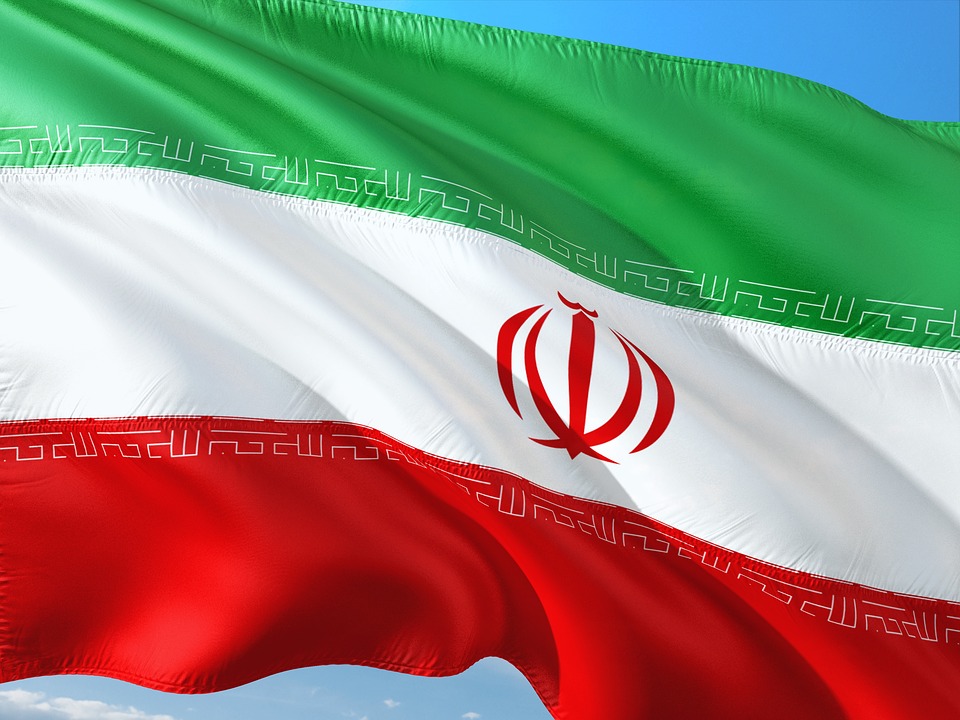
As Iran seeks to improve or strengthen ties with its neighboring countries, its nuclear program is a point of concern for several. Tehran responded to the UAE’s concerns regarding its nuclear program, saying that Iran is making improving ties with its neighbors a priority.
Reuters reports Iran responded to UAE’s concerns Saturday, saying that improving relations with neighboring countries is a priority for Tehran.
This comes as the UAE representative at the UN nuclear watchdog IAEA said Friday that he hoped Iran would work with the agency to give an assurance to the international community and the region about its nuclear program.
Iranian state media reported the phone conversation between Iranian foreign minister Hossein Amirabdollahian and his UAE counterpart, where Amirabdollahian “pointed to the priority of neighbors in Iran’s foreign policy and called for more consultation…to expand bilateral ties.”
The UAE, which is allied with the US, began to re-engage with Iran after years of tensions.
Iran and the US have been engaging in indirect negotiations to restore the nuclear deal that was established in 2015. Negotiations were put on hold since March following Russia’s invasion of Ukraine, and Tehran has recently restricted the IAEA’s ability to monitor its nuclear program after a dispute with the agency.
Iran has also maintained that it intends to develop its nuclear program for peaceful purposes.
Iran has also blamed the US for the stalled negotiations to restore the deal. Tehran said Monday that it is prepared to reach an agreement with world powers, according to its foreign ministry spokesperson Saeed Khatibzadeh during a televised news conference.
“Even today we are ready to return to Vienna to reach a good deal if Washington fulfills its commitments,” said Khatibzadeh.
Another reason for the stalled negotiations was also whether the US would remove Iran’s Islamic Revolutionary Guard Corps from its foreign terrorist organization designation list.
Last week, Washington said it is waiting for a “constructive response” from Tehran on reinstating the nuclear deal without “extraneous” issues, in a possible reference to the demand for the IRGC to be removed from its FTO list.
Iran started breaching the terms of the nuclear deal when the US, under Donald Trump, withdrew from the deal in 2018.







