It’s only the second week of the new year but it seems Google isn’t wasting time trying to corner a portion of the technology market. The company reportedly acquired a startup that was working on making smartphone speakers obsolete by making the screens produce the sounds. This could lead to a huge jump in battery life, smartphone thinness, or even more powerful devices.
Phones have always needed speakers since they were invented decades ago. It’s how users are able to hear each other on a call. This trend has continued to this day, where speakers have taken on a much bigger role in the form of producing sounds for mobile games, videos, music, and so much more. Thanks to the startup called Redux that Google just acquired, this might finally change, Bloomberg reports.
Redux essentially came up with the technology to use vibrations to create haptic feedback, which would then produce the sounds on certain surfaces. Founded in 2013, it had a series of successful funding rounds, including March of last year when it raised $5 million.
Google’s acquisition of the startup was a quiet affair, as well, with no major announcements either before or during CES 2018. Apparently, the deal was signed last year since share transfers to the U.S. was done on December 13th.
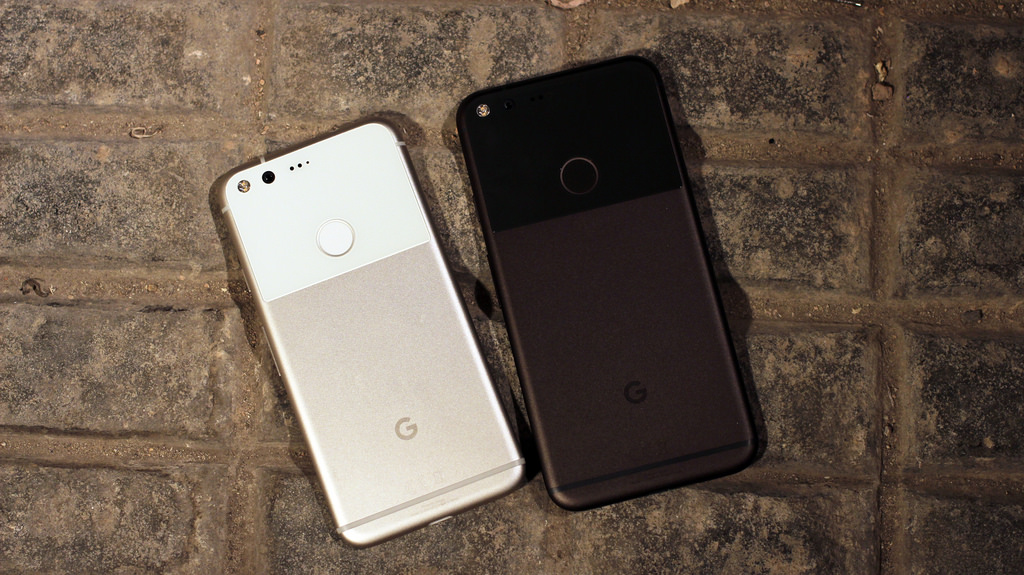
As TechCrunch points out, the acquisition of Redux could provide Google with a significant edge over its other smartphone rivals. The company has started to seriously compete with Apple and Samsung with its Pixel lineup, but it has been playing catchup, so far.
If it manages to be the first to produce fully-functioning smartphones that don’t have speakers, thus leaving more room for bigger batteries or thinner phones, it could leave the Cupertino and South Korean firms scrambling. Of course, there’s no doubt that both these giants are also interested in the technology.