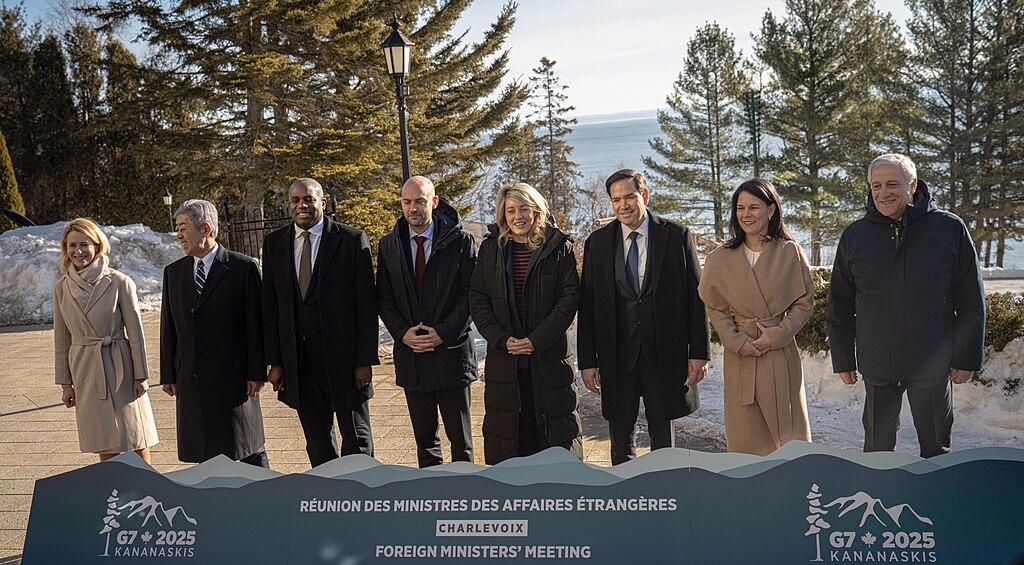
A high-stakes G7 meeting in Canada nearly ended in discord as key allies clashed over Ukraine, sanctions on Russia, and Middle East policy. However, after intense late-night negotiations, the United States, Canada, Britain, France, Germany, Italy, Japan, and the EU reached a consensus, releasing a joint communique that reaffirmed their unity.
U.S. Secretary of State Marco Rubio played a crucial role, balancing firm positions on China and the Middle East while remaining receptive to allied concerns. Diplomats credited Rubio’s diplomacy in bridging gaps, with one calling him a "good guy." Despite tensions over U.S. tariffs and Trump’s unpredictable policies, Rubio's approach reassured allies.
A sticking point was the Israel-Palestine issue, where Rubio opposed mentioning a two-state solution. Still, G7 nations found common ground without public fallout. The meeting also allowed personal relationships to develop, with Canadian Foreign Minister Mélanie Joly jokingly thanking Rubio for recognizing Canada as a nation amid U.S. tariff threats.
While Rubio skipped some social events, his diplomatic reliability stood out, offering a stabilizing presence in Trump’s often volatile administration. G7 diplomats expressed support for his role, hoping he remains influential within U.S. leadership.
This G7 summit underscored the challenges of global diplomacy but ultimately demonstrated the group's ability to find consensus despite policy rifts.