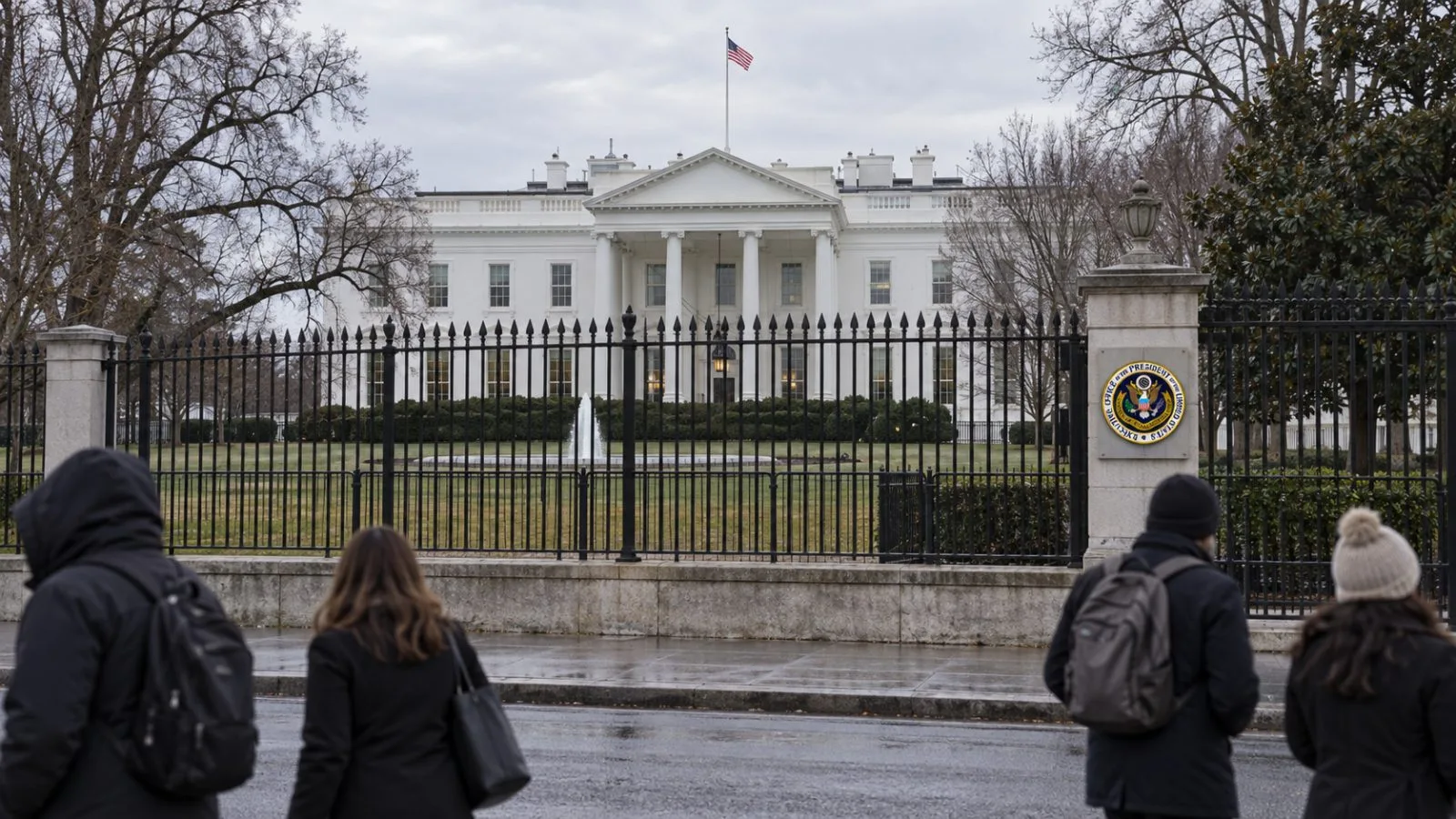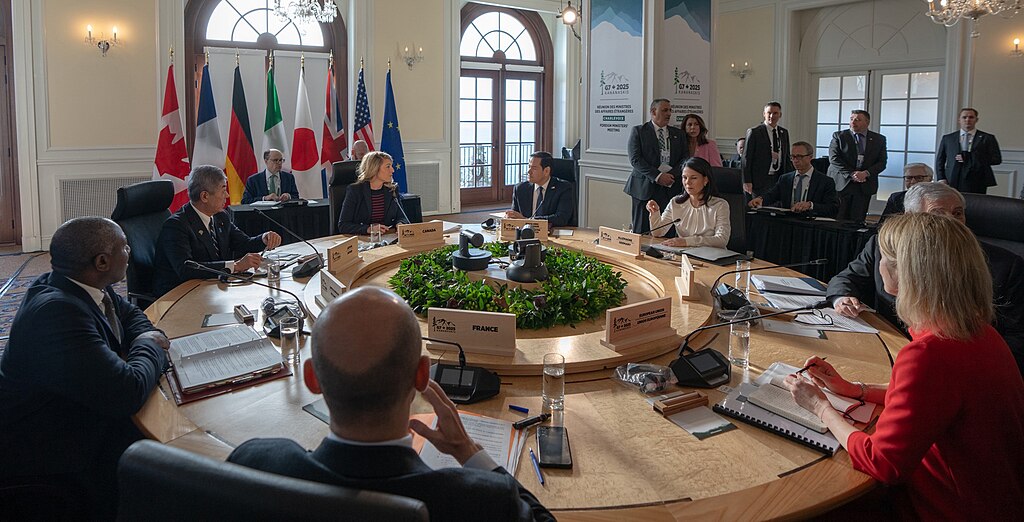
The United States and G7 nations have reached an agreement to adopt a new "side-by-side" international tax framework that exempts U.S. companies from parts of the existing global corporate tax deal. The agreement comes after the U.S. dropped Section 899, a controversial retaliatory tax proposal from former President Donald Trump’s tax and spending bill.
In a statement issued Saturday, Canada—holding the G7 presidency—announced that the new system recognizes existing U.S. minimum tax laws while aiming to stabilize the international tax regime. The U.S. Treasury confirmed that removing Section 899 opens the door to preserving progress made within the OECD’s Inclusive Framework to curb base erosion and profit shifting.
The Treasury added on X that it looks forward to further collaboration under this revised understanding. Trump had previously pulled the U.S. out of the 2021 global corporate minimum tax agreement via executive order in January, claiming it disadvantaged American businesses. He also threatened retaliatory taxes on countries applying digital levies to U.S. companies.
The U.K. welcomed the removal of Section 899, with Finance Minister Rachel Reeves stating that the decision would provide certainty and stability to British businesses concerned about potential tax hikes. She emphasized the ongoing need for international cooperation to combat tax avoidance and aggressive tax planning.
G7 leaders noted that the revised agreement must remain implementable and acceptable to all participating nations. This move is seen as a diplomatic step toward reviving global tax coordination while addressing national concerns, especially those raised by the Trump administration regarding foreign tax burdens on U.S. companies.