


 Interactive Brokers Launches Ethereum Staking With Zerohash
  Canton Network Expands Wall Street Reach With Ripple Integration
  Citi Upgrades Galaxy Digital Stock, Raises Price Target to $28
  RBA Signals More Rate Hikes as Inflation Risks Rise
  NEAR Protocol Leads AI Crypto Rally Amid Fed Rate Hike Fears
  IMF Maintains 2027 Global Growth Forecast at 3.4% Amid Rising Risks
  Oil Prices Surge Above $106 After Deadly Saudi Airport Attack
  Wells Fargo Expands Stablecoin Plans With 20 Major Banks
  Nvidia’s China AI Chip Market Share Falls to 34% as Huawei Gains Ground
  South Korea Blocks 27 Crypto Exchange Websites in Regulatory Crackdown
  Asian Currencies Steady as Dollar Nears 18-Month High Ahead of US CPI
  Gold Prices Rebound as Dollar Weakens Ahead of US Inflation Data
  US Dollar Index Falls as Fed Signals Caution, Indian Rupee Surges
  Nasdaq Falls as Oil Prices Surge Ahead of Bank Earnings
  Bank of America Hit With $1.2 Billion Fine Over Money Laundering Failures
  Gold Prices Mixed Ahead of US Inflation Data and Fed Rate Outlook


 Add as a preferred source on Google
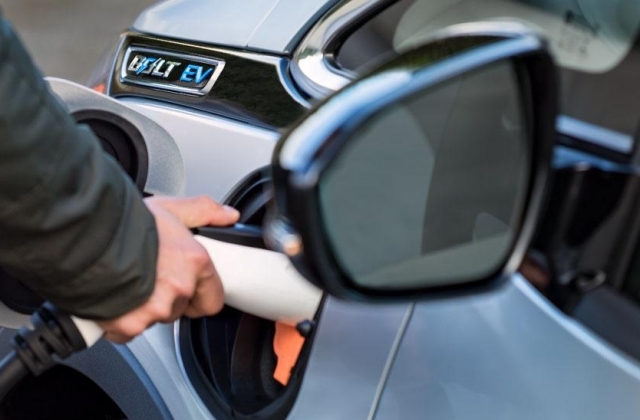
GM has expanded it's Chevy Bolt electric vehicles recall by announcing the need to fix additional 73,000 units of the said EV model. The new recall affects those that were fitted with LG brand batteries that may cause a fire.
According to Yonhap News Agency, Bolt EVs with model years from 2019 to 2022 that are sold in Canada and the United States need to be fixed for defective battery modules. This latest recall is on top of the 69,000 GM Bolt units with model years from 2017 to 2019 that were recalled in July for the same issue.
General Motor’s recall at that time cost the company some $800 million, and with the latest call backorder, it was reported that the automaker is expected to lose another $1 billion for the costs. The company made the announcement of the recall last weekend, and this raised new questions about the lithium-ion batteries that were installed in almost all EVs today.
It was mentioned that Hyundai, Ford, and BMW have also recalled batteries in their electric vehicle models recently. This suggests that there are issues with the type of battery being used to power the vehicles.
"In rare circumstances, the batteries supplied to GM for these vehicles may have two manufacturing defects and these are torn anode tab and folded separator that are present in the same battery cell, which increases the risk of fire," the carmaker said in a statement.
For this, General Motors revealed its plan to continue asking LG for reimbursement after the probe into the faulty batteries. If the investigation states that there are really manufacturing defects in the battery cells made beyond the Ochang plant in South Korea, the company will go after LG Energy Solution.
On the other hand, the South Korean battery maker said it is working earnestly with its partners and clients to make sure that the recall measures will go smoothly. It was reported that LG Electronics supplied battery modules to General Motors that were made with battery cells from LG Energy Solution.
Reuters stated that this new recall from GM is a big setback because it will not just be hit with $1 billion for the additional vehicles to fix, but it may also affect the firm’s EV sales that it has been trying to lift. Moreover, it will be halting the sale of its electric vehicles until the problem is solved.







