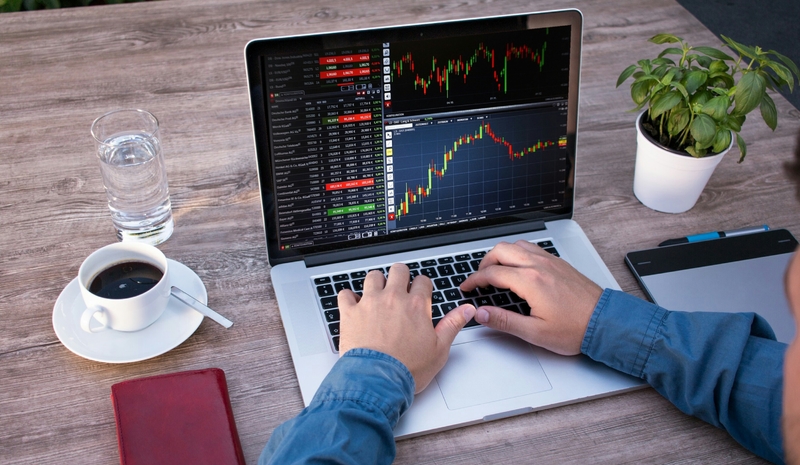
South Korea's securities traders seeking help for gambling addiction have tripled in number to 214 from March to May since their pandemic-induced work-from-home setup has freed up more time for stock trading.
According to the Korea Center on Gambling Problems, the growth rate eclipsed the overall 16 percent rise in calls seeking help.
Experts say that the trend is a worrying sign of when social distancing practices such as work-from-home become the norm.
Working in isolation provides fewer mechanisms, such as peer support, to check addictive behavior.
There is also no social stigma associated with compulsive stock trading than traditional forms of gambling that may act as a deterrent even though the stimulation behind both is similar.
While South Korea has not enforced any lockdown measures to minimize infections even during the pandemic's height in February and March, people and businesses followed government guidelines and instituted work-from-home arrangements.



S&P 500 Surges Ahead of Trump Inauguration as Markets Rally
Nippon Express Stock Jumps as Elliott Investment Signals Strong Foreign Interest in Japan Logistics Sector
Why the Middle East is being left behind by global climate finance plans
Australia Targets Meta, Google, and TikTok With New News Payment Tax Proposal
OpenAI Faces Revenue Pressure and User Growth Challenges Ahead of IPO
Pershing Square Raises $5 Billion in Landmark U.S. IPO and Share Placement
U.S. Condemns China's Dominance in Global Shipbuilding and Maritime Sectors
AstraZeneca Q1 2026 Earnings Surge on Strong Oncology and Rare Disease Drug Sales
WuXi AppTec Stock Surges on Strong Q1 Earnings and CRDMO Demand Growth
Apple Downgraded by Jefferies Amid Weak iPhone Sales and AI Concerns
Bitcoin Hits $100K Milestone Amid Optimism Over Trump Policies
UK Markets Face Rising Volatility as Hedge Funds Target Pound and Gilts
Investors value green labels — but not always for the right reasons
Gold is meant to be a ‘safe haven’ in uncertain times. Why is it crashing amid a war?
KiwiSaver shakeup: private asset investment has risks that could outweigh the rewards 


