


 Second DOJ Lawyer Exits Trump Probe
  Fed’s Hammack Says Bond Yield Surge Is Not Driven by Inflation Fears
  Dollar Eases Near Two-Month High as Yen Rebounds
  Asian Currencies Mixed as Yen Slides on BOJ Rate Signals
  BOJ Raises Interest Rate to 31-Year High as Yen Weakens
  Trump Denies Offering Iran Sanctions Relief for Nuclear Concessions
  UN Condemns Myanmar Airstrike That Kills 50 in Rakhine
  Gold Plunges 4% as Treasury Yields Surge and Fed Rate Hike Bets Rise
  Fed Rate Hike Threatens Housing as U.S. Growth Leans on AI, Citi Says
  US Sanctions Iran Weapons Procurement Network
  US Alcohol Ban Exposes Canada’s Internal Trade Barriers
  Trump Demands Powell Resign Over Fed Renovation Cost Overruns
  Asian Stocks Rise as Chipmakers Rally on Micron Earnings
  South Korea Exports Surge 83.5% on AI Chip Boom


 Add as a preferred source on Google
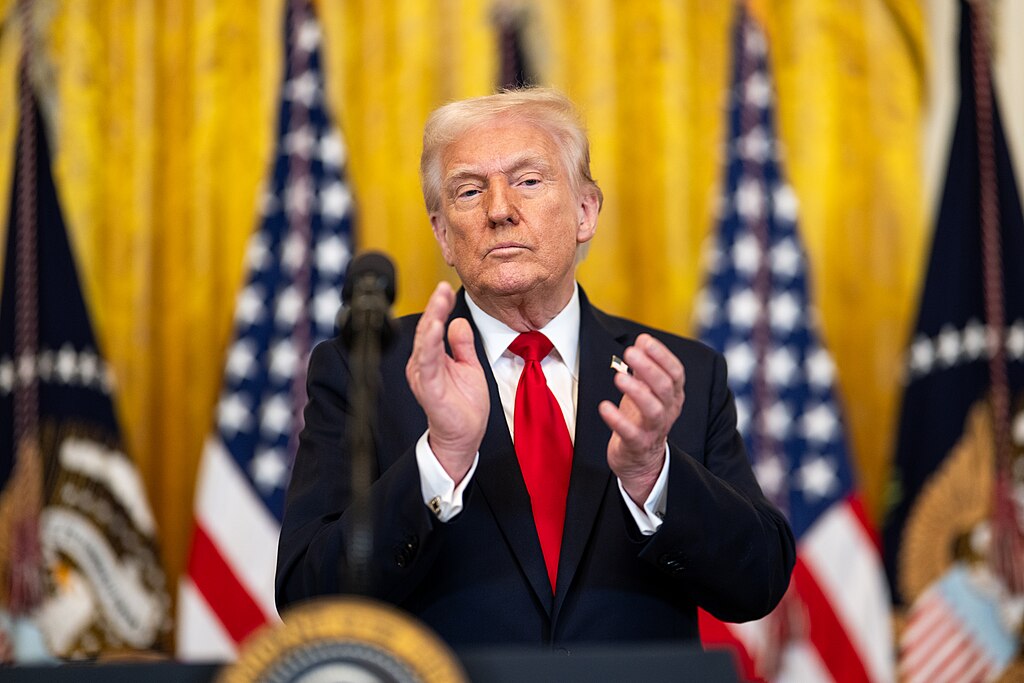
Germany’s overseas gold reserves, especially those stored in New York, are drawing renewed scrutiny as Donald Trump returns to the White House. With 3,352 tonnes, Germany holds the world’s second-largest gold stockpile. Roughly one-third is stored at the Federal Reserve Bank of New York, a Cold War-era decision aimed at protecting assets from potential Soviet threats and reinforcing U.S.-German military ties.
While repatriation demands were once limited to the far-right Alternative for Germany (AfD) and gold advocates, Trump’s recent attacks on the Federal Reserve and strained ties with allies have pushed the issue into mainstream political debate. Germany’s Taxpayers Federation recently urged the Bundesbank and Finance Ministry to bring the gold back, citing concerns over Trump’s desire to control the Fed.
Markus Ferber, a European Parliament member from the ruling Christian Democrats, questioned the U.S.’s reliability, stating Trump’s unpredictability could put foreign gold at risk. Public broadcasters like ZDF and ARD have also spotlighted concerns over the gold’s safety abroad.
The Bundesbank, however, maintains confidence in the New York Fed as a secure and trustworthy custodian. It stated that 13% of the gold stored there has undergone regular inspections. The German Finance Ministry reaffirmed the Bundesbank’s independence and deferred further comment.
Germany previously repatriated 300 tonnes of gold from New York between 2014 and 2017 to strengthen public trust. Now, geopolitical shifts, especially after Russia’s invasion of Ukraine, are prompting calls for broader diversification beyond New York and London.
Though officials like Fritz Guentzler of the Christian Democrats say they still trust the Fed, they support continued inspections. Meanwhile, AfD lawmaker Peter Boehringer, who championed gold repatriation a decade ago, feels vindicated as national concerns over gold security gain momentum.







