


 Best Gold Stocks to Buy Now: AABB, GOLD, GDX
  Gold Prices Fall Amid Rate Jitters; Copper Steady as China Stimulus Eyed


 Add as a preferred source on Google
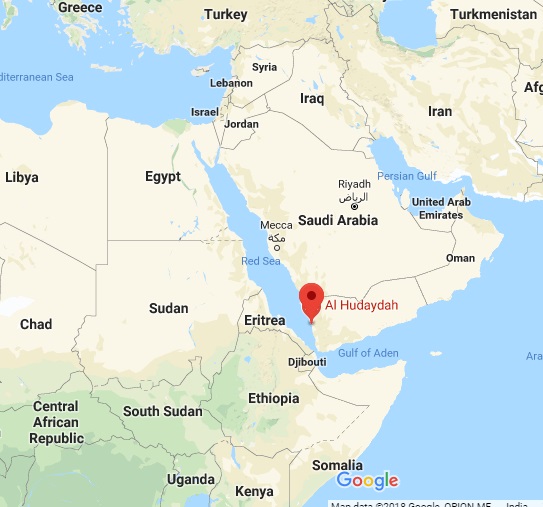
The possibility of a bitter, all-out confrontation among regional rivals in the Middle East spiked this week as Saudi Arabia led Arab coalition launched a fresh attack on the port of Hudaydah with an aim to take it over from Iran backed militia. All the major news outlets (BBC, FT, and WSJ) are reporting that the Saudi-led coalition has launched a massive bombardment campaign against the Yemeni rebels backed by Saudi Arabia’s regional rival Iran, who chose to ignore the Arab coalition’s warning to before the previously warned deadline ends.
As Saudi-backed Yemeni government of President Abdrabbuh Mansour Hadi said in a statement that all political means to persuade the rebels to withdraw have been exhausted, the coalition began a large-scale ground assault with the air force and naval support. Rebels were given 48-hour deadline by the United Arab Emirates from the coalition to either leave or face massive assault.
This clearly adds to the current tensions in the Middle East which is raging in countries like Syria, Iraq, Iran, Libya (Africa), and Israel. Saudi Arabia which has suffered scores of missile attacks from Yemeni side by Houthi rebels could see further increase in such attacks.
If you are not familiar with the conflict,
- Yemeni civil war began in 2015 between two factions, each claiming to form the Yemeni government. Houthi forces (backed by Iran) controlling the capital Sana'a allied with forces loyal to the former president Ali Abdullah Saleh clashed with forces loyal to the government of Abdrabbuh Mansur Hadi, based in Aden. For more information, you can check out Wikipedia, https://en.wikipedia.org/wiki/Yemeni_Civil_War_(2015%E2%80%93present)
- The above chart shows why Yemen and Hudaydah (pointed in red) are so vital to Arab coalition. Because of its geopolitical location in the Red Sea, which connects to the Mediterranean via Suez Canal. Trillions of dollars’ worth of goods passes through these waters every year. For Saudi Arabia, it is vital for its sea-borne trade as the Persian Gulf is largely controlled by Iranian naval forces near the bottleneck, close to the United Arab Emirates, known as the Straits of Hormuz.







