


 Texas Republicans Turn Against AI Data Centers as Election Backlash Grows
  SEC Seeks ISS Client Voting Records in Proxy Adviser Probe
  UK PM Andy Burnham Set for First Trump Meeting in New York
  Google Changes EU Spam Policy Amid Antitrust Scrutiny
  ICE Agent Arrested in Minneapolis Over Venezuelan Man Shooting
  Nvidia-Groq AI Chip Deal Faces U.S. Antitrust Probe
  Trump Administration Removes Confederate Memorial Criticism From Arlington Website
  Banking scandal rocks Brazil’s politics and the country’s presidential election in October
  South Korea’s Cho Hyun to Meet Rubio in Washington
  Iran Economic Crisis Forces Afghan Families to Return Home
  Saudi Arabia Shuts East-West Oil Pipeline After Drone Attack
  Paris Talks Focus on Lebanon Army Needs as UNIFIL Exit Looms
  U.S. Imposes New Visa Restrictions Over South Africa Policies
  Australia Tightens Student Visa Rules, Targets Migration Cut by 2028
  Nvidia CEO Jensen Huang Expected at Trump-Xi State Dinner


 Add as a preferred source on Google
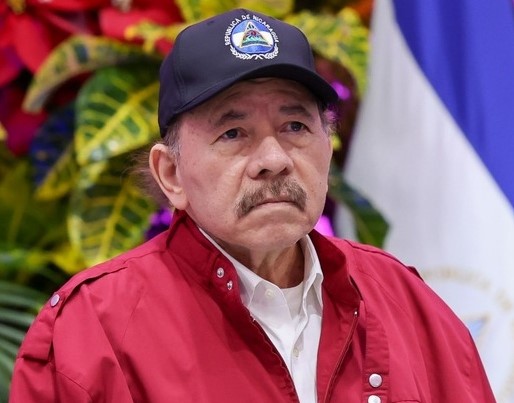
Nicaragua has officially ended visa-free entry for Cuban citizens, a policy change that took effect on Sunday and marks a major shift in regional migration dynamics. The decision brings to a close a policy that, for several years, allowed tens of thousands of Cubans to travel to Nicaragua and then continue north through Central America on their journey toward the United States.
The Nicaraguan government confirmed the change through an official statement, signaling that Cuban nationals will now be required to obtain a visa before entering the country. While the announcement was brief, sources familiar with the matter suggest the move is closely linked to mounting pressure from Washington on the administration of President Daniel Ortega. U.S. officials have long criticized Nicaragua’s visa-free policy for Cubans, arguing that it contributed significantly to irregular migration flows toward the U.S. southern border.
Since Nicaragua removed visa requirements for Cubans in 2021, the country became a crucial entry point for migrants leaving the island amid worsening economic conditions, political repression, and shortages of basic goods. With limited options for legal travel, many Cubans used Nicaragua as a gateway, flying into Managua and then embarking on a dangerous overland journey through Honduras, Guatemala, and Mexico. This route dramatically reshaped Cuban migration patterns and led to record numbers of Cuban arrivals at the U.S.-Mexico border.
By ending visa-free travel, Nicaragua is expected to sharply reduce the number of Cuban migrants transiting through the country. Analysts say the decision could push migrants to seek alternative routes, potentially increasing reliance on smugglers and exposing travelers to greater risks. At the same time, the move may ease diplomatic tensions between Managua and Washington, which has used sanctions and political pressure to influence Ortega’s policies.
For Cuban citizens, the change represents another significant obstacle to migration at a time when leaving the island has become increasingly difficult. The policy shift underscores how regional political decisions continue to shape migration trends across the Americas, with profound humanitarian and geopolitical implications.







