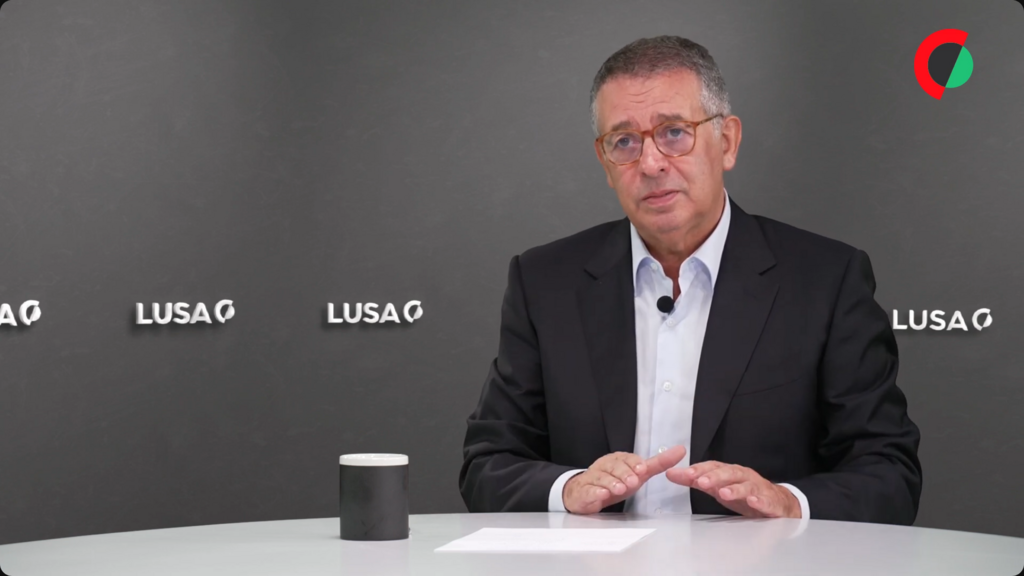
Moderate socialist Antonio José Seguro appeared on track for a decisive victory in Portugal’s presidential runoff election on Sunday, according to exit polls that projected a commanding win over his far-right rival, André Ventura. Polls conducted for major television channels RTP, SIC, and TVI/CNN placed Seguro’s support between 67% and 73%, while Ventura was estimated to secure between 27% and 33% of the vote.
If confirmed, the result marks a clear endorsement of centrist and moderate politics in Portugal’s presidential race, even as it underscores the continued rise of far-right influence in the country. Ventura’s projected share, while insufficient to challenge Seguro’s lead, represents an improvement over the 22.8% his anti-immigration Chega party won in last year’s general election. This performance highlights the growing appeal of populist and nationalist movements among a segment of the Portuguese electorate.
In the 2024 parliamentary elections, Chega emerged as the second-largest force in parliament, overtaking the long-dominant Socialists and finishing behind the centre-right ruling alliance, which won 31.2% of the vote. That breakthrough signaled a major shift in Portugal’s political landscape, traditionally seen as resistant to far-right politics compared with other European nations.
Despite Sunday’s apparent defeat, 43-year-old André Ventura, a former TV sports commentator known for his combative and charismatic style, can claim increased national support. Analysts view his rising vote share as part of a broader European trend, where far-right and anti-establishment parties continue to gain traction amid voter frustration over immigration, economic pressures, and political distrust.
The Portuguese presidency is largely ceremonial but carries significant constitutional powers. The president can, under certain conditions, dissolve parliament, call snap parliamentary elections, and veto legislation. A landslide victory for Seguro would likely reinforce political stability in Portugal while providing a counterweight to the growing influence of the far right. At the same time, Ventura’s strong showing suggests that Portugal, like much of Europe, is navigating a more polarized political future.