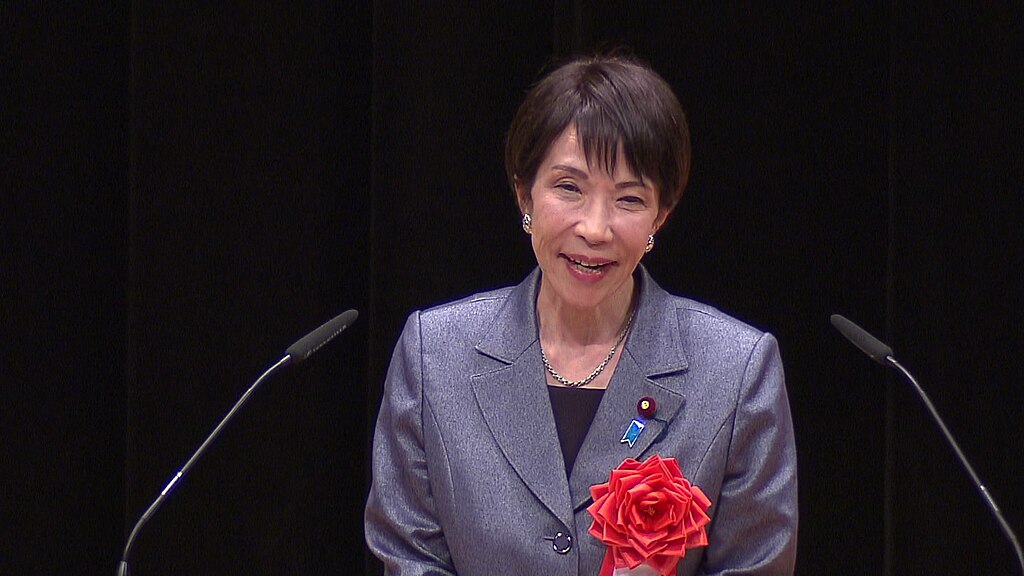
Japan’s Prime Minister Sanae Takaichi has secured a historic landslide victory in a rare winter election, consolidating power and paving the way for major shifts in economic, fiscal, and security policy. Takaichi’s Liberal Democratic Party (LDP) won 316 of the 465 seats in the lower house of parliament, marking the party’s strongest performance in its postwar history. Together with coalition partner Japan Innovation Party (Ishin), the ruling bloc now controls 352 seats, giving Takaichi a two-thirds supermajority and the ability to override the upper chamber.
The result cements Takaichi’s authority just months after becoming Japan’s first female prime minister. Known for her conservative views and admiration for Britain’s former Prime Minister Margaret Thatcher, Takaichi called the snap February election to capitalize on high approval ratings. Despite heavy snowfall disrupting voting in parts of the country, turnout remained resilient, with many voters drawn to her decisive leadership style and promise of national direction.
Central to her campaign were pledges to cut taxes, including suspending the 8% sales tax on food to ease the cost-of-living burden on households. While popular with voters, these proposals have unsettled financial markets, raising concerns about fiscal sustainability in a country with the highest debt levels among advanced economies. Takaichi has acknowledged investor concerns, stating she will accelerate discussions on tax relief while maintaining a focus on long-term fiscal discipline.
On the global stage, Takaichi’s victory has significant geopolitical implications. Her firm stance on national security and plans to strengthen Japan’s defense capabilities are aimed at countering China, particularly amid rising tensions over Taiwan. Beijing has criticized her approach, while Taiwan’s leadership and U.S. President Donald Trump were quick to congratulate her, signaling strong international backing from key partners.
With a strong mandate and political stability restored, Takaichi is positioned to push through sweeping reforms. However, her success also sets the stage for heightened scrutiny from markets and increased friction with China, making her leadership one of the most closely watched in Asia.