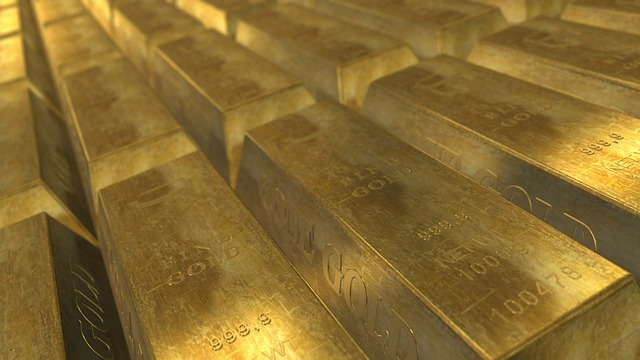
Gold prices slipped in Asian trading on Thursday, extending recent losses as risk appetite surged following a U.S. federal court ruling against President Donald Trump’s trade tariffs. The decision triggered a rally in risk-driven assets and strengthened the U.S. dollar, weighing heavily on gold and other metals.
Spot gold dropped 0.5% to $3,273.19 per ounce, while August gold futures fell 0.8% to $3,297.25 by 00:47 ET (04:47 GMT). The precious metal is down 2.5% so far this week, pressured by profit-taking after hitting record highs last week and a strengthening dollar.
The U.S. Court of International Trade ruled that Trump exceeded his authority by imposing broad trade tariffs, stating that only Congress can approve such measures. Although the White House immediately appealed the ruling, markets responded with optimism that the tariff agenda might stall, boosting risk sentiment and hurting traditional safe-haven assets like gold and the Japanese yen.
The dollar rallied on hopes that reduced trade uncertainty could support the U.S. economy, further limiting gains in metal markets. Platinum futures inched up 0.2% to $1,080.10, and silver futures gained 0.5% to $33.328 per ounce. Copper futures also saw modest increases, with London Metal Exchange contracts up 0.2% to $9,586.20 per ton and U.S. copper futures rising to $4.6958 per pound.
Investors now await revised U.S. Q1 GDP data due Thursday, after preliminary figures showed an unexpected economic contraction that initially supported gold. The Federal Reserve's latest meeting minutes also revealed ongoing concerns over the economic outlook, adding further uncertainty to market direction.