Gold prices declined in Asian trading on Monday as rising oil prices and escalating U.S.-Iran tensions dampened demand for the safe-haven asset. Investors remained cautious ahead of a potential ceasefire expiration later this week, adding pressure to precious metals.
Spot gold fell by 0.6% to $4,802.83 per ounce, while gold futures dropped 1.2% to $4,822.45 per ounce during early trading hours. The decline follows a volatile week in which gold saw modest gains, driven by hopes of a U.S.-Iran peace agreement. However, sentiment quickly shifted after Iran reportedly closed the Strait of Hormuz over the weekend, reigniting geopolitical concerns.
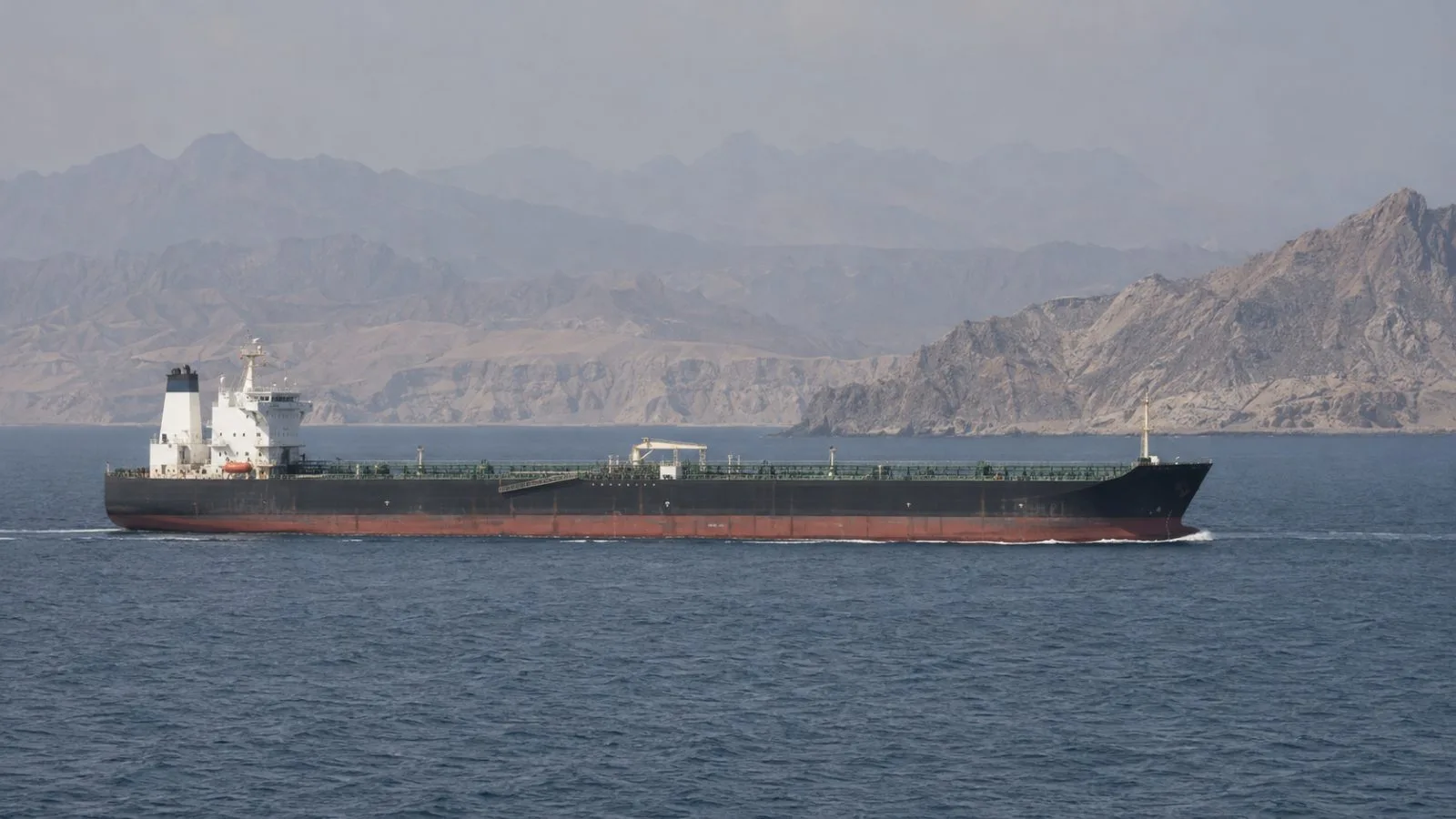
Tensions intensified after U.S. President Donald Trump stated that American forces had intercepted and captured an Iranian vessel attempting to bypass a blockade. Both the U.S. and Iran accused each other of violating an existing ceasefire, further clouding the outlook for diplomatic progress. Although U.S. officials are reportedly heading to Pakistan for renewed ceasefire discussions, Iranian sources have not confirmed participation in future talks.
Meanwhile, oil prices surged by as much as 7%, raising fears of energy-driven inflation. This development has weighed heavily on gold and other metals since the conflict began in late February, as higher inflation expectations tend to strengthen the U.S. dollar and reduce gold’s appeal.
Other precious metals showed mixed performance. Spot silver slipped 0.5% to $80.460 per ounce, though it has recently outperformed gold due to expectations of a widening supply deficit in 2026. Platinum remained stable at $2,106.35 per ounce.
Market participants continue to monitor geopolitical developments and inflation trends closely, as both factors are expected to play a key role in shaping gold price movements in the near term.