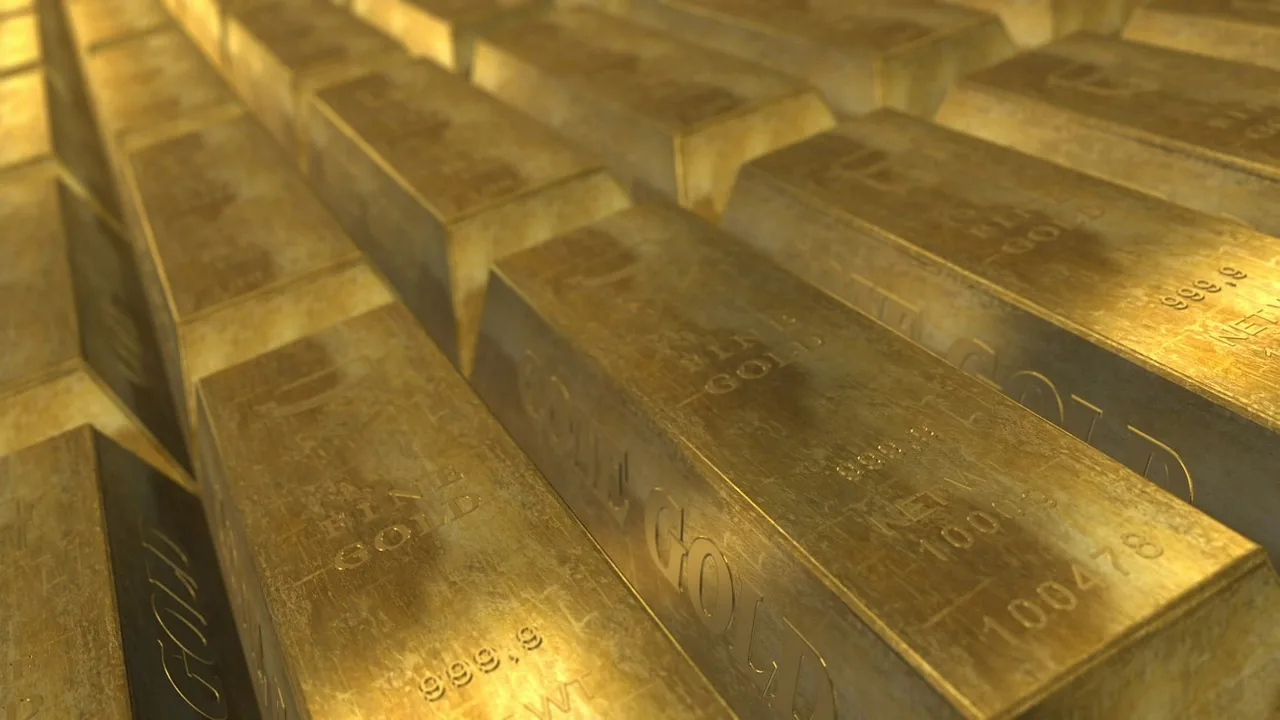
Gold prices edged higher on Thursday, supported by a softer U.S. dollar and improving geopolitical sentiment after Israel announced plans to open direct negotiations with Lebanon. The development offered a measure of relief to markets rattled by ongoing tensions surrounding a fragile ceasefire between the United States and Iran.
Spot gold gained 1% to close at $4,765.65 per ounce, while gold futures rose 0.3% to settle at $4,790.25 per ounce. The move followed a volatile Wednesday session in which bullion briefly surged as much as 3% after a two-week U.S.-Iran ceasefire was announced, before paring gains as uncertainty lingered.
Israeli Prime Minister Benjamin Netanyahu confirmed that direct talks with Lebanon would focus on disarming Hezbollah and establishing peaceful bilateral relations. Despite this progress, Iran continued to disrupt oil flows through the Strait of Hormuz, and U.S. forces remain stationed near Iran pending a more comprehensive deal. Analysts at ING noted that conflicting geopolitical signals are creating choppy trading conditions, with safe-haven demand competing against shifts in risk appetite and currency movements.
On the economic front, the February PCE price index — the Federal Reserve's preferred inflation measure — rose 0.4% month-over-month and 3% year-over-year, meeting expectations but remaining well above the Fed's 2% target. JPMorgan economists noted that firm core inflation makes it likely the Fed will hold rates steady in the near term. U.S. GDP for Q4 2025 was revised down to 0.5% annualized growth, while weekly jobless claims came in at 219,000, above forecasts.
Friday's March CPI report will be closely watched as the first inflation reading to potentially reflect the impact of rising oil prices tied to the Iran conflict. Silver climbed 1.7% to $75.33 per ounce, while platinum advanced 2.3% to $2,114.95 per ounce.