Gold prices declined during Asian trading on Tuesday as renewed U.S. military strikes on Iran weakened investor hopes for a near-term peace agreement in the Middle East. The stronger U.S. dollar and rebounding oil prices added further pressure on bullion and other precious metals.
Spot gold dropped 0.8% to $4,535.17 per ounce, while gold futures also slipped 0.8% to $4,568.67/oz. Other precious metals followed the downward trend, with spot silver falling 2.1% to $76.4495/oz and platinum losing 0.6% to trade at $1,955.02/oz.
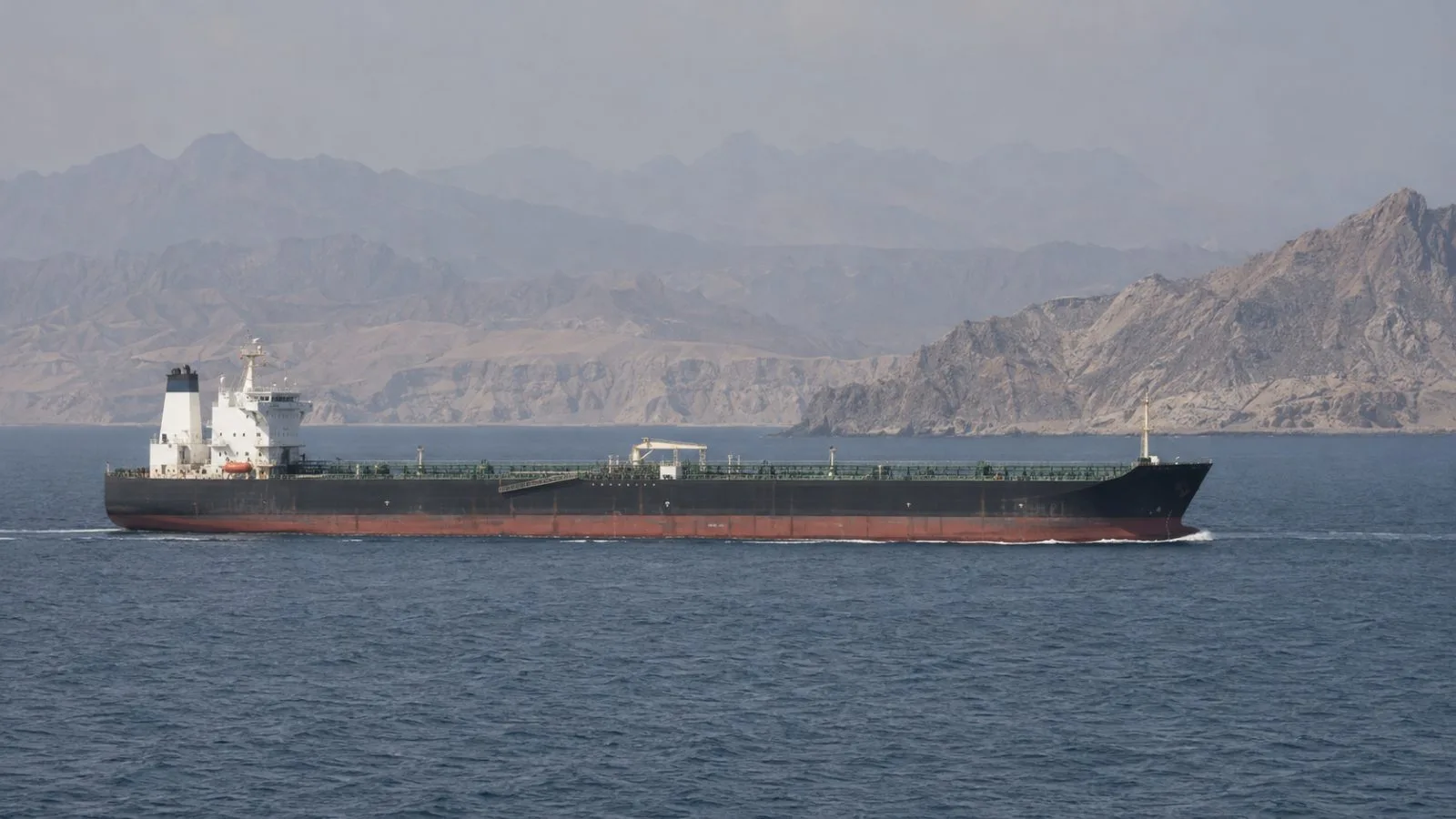
The decline came after reports revealed that the United States launched fresh attacks targeting missile launch sites and mine-laying vessels in southern Iran. The latest escalation reduced market optimism that Washington and Tehran were close to reaching a framework agreement involving the reopening of the Strait of Hormuz, a critical global oil shipping route.
Earlier reports suggesting progress toward a diplomatic deal had supported gold prices in recent sessions, as investors sought safe-haven assets amid geopolitical uncertainty. However, the renewed military action shifted market sentiment quickly.
At the same time, the U.S. dollar stabilized after recent weakness, making gold more expensive for international buyers. Oil prices also rebounded sharply on concerns that the escalating Iran conflict could disrupt energy supplies and fuel global inflation.
Analysts warn that rising oil prices may increase inflationary pressures worldwide, potentially forcing central banks to maintain higher interest rates for longer. Expectations of more hawkish monetary policies have remained a major factor weighing on gold prices throughout the year.
Investors are now closely monitoring developments in the Iran conflict, movements in crude oil prices, and signals from major central banks for further direction in the gold market and broader precious metals sector in 2026.