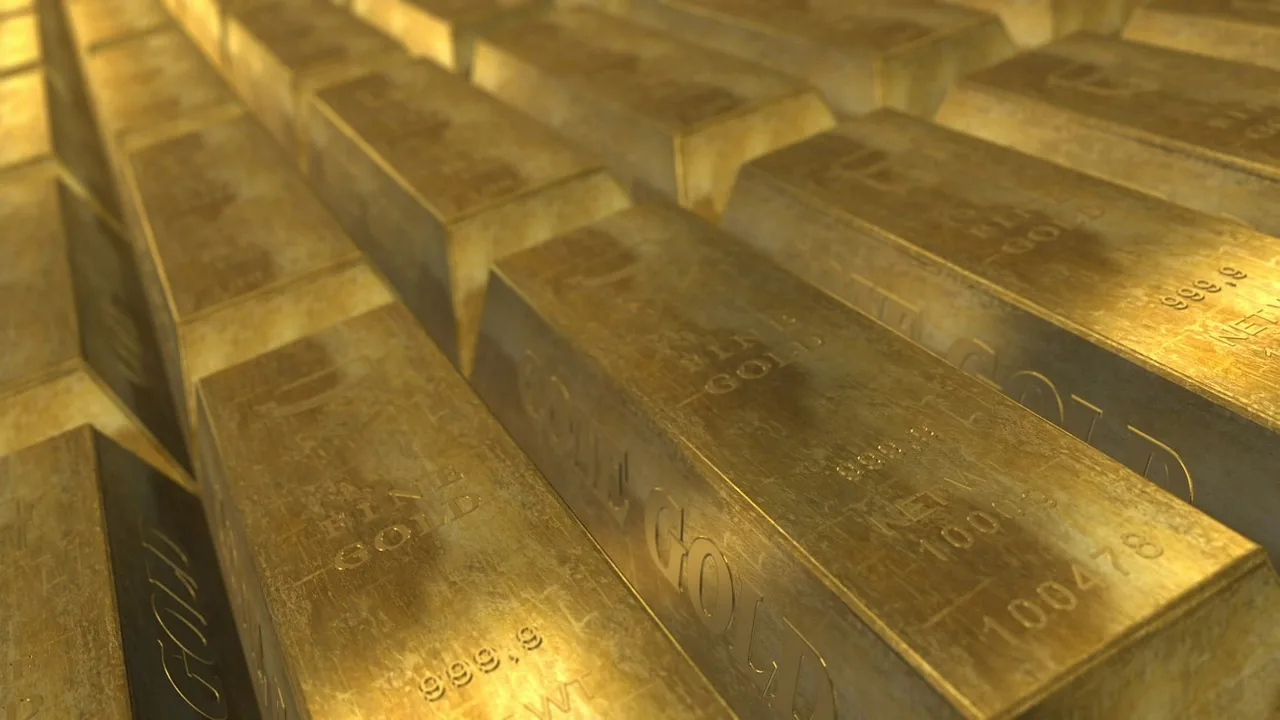
Gold prices surged on Wednesday, breaking above $4,500 an ounce for the first time since early June as falling U.S. Treasury yields pressured the dollar and boosted demand for the precious metal.
Spot gold climbed 4% to $4,508.28 an ounce, while gold futures gained 3.3% to $4,567.94. Both reached their highest levels since May 29 as investors reacted to fresh developments in U.S. bond markets and the Federal Reserve’s inflation outlook.
The rally accelerated after the U.S. Treasury announced plans to double the size of its liquidity-support buybacks for longer-dated government bonds. Starting September 9, buybacks covering the 10- to 20-year and 20- to 30-year maturity sectors will increase from $2 billion to $4 billion per operation.
The announcement helped halt a sell-off in long-term Treasuries. The 30-year Treasury yield dropped roughly 9 basis points to 5.193% after reaching 5.337% a day earlier, its highest level since June 2007.
Falling yields weighed heavily on the U.S. dollar index, providing additional support for gold. A weaker dollar typically makes dollar-denominated gold more attractive to international buyers, while lower bond yields reduce the opportunity cost of holding non-yielding bullion.
Investors also assessed minutes from the Federal Reserve’s July meeting. Most policymakers supported keeping interest rates unchanged, although officials remained concerned that persistent inflation could eventually require higher rates. Participants viewed inflation risks as tilted to the upside, particularly because renewed Middle East tensions could disrupt supply chains and increase price pressures.
Geopolitical uncertainty added another layer of support for safe-haven assets. Brent crude traded around $91.20 per barrel as tensions between the U.S. and Iran over the Strait of Hormuz remained unresolved.
Washington and Tehran continued to dispute control of the critical oil shipping route, while President Donald Trump said no negotiations with Iran were currently scheduled. With Treasury yields, Fed policy expectations and Middle East risks dominating markets, gold prices remain highly sensitive to shifts in the dollar and inflation outlook.