


 US Northeast Airports Resume Operations After Telecom Outage Disrupts Thousands of Flights
  Anthropic’s Claude Discovers CRISPR-Like Enzyme System
  OpenAI Urges US-Led Global Standards for Frontier AI
  The government is ‘doubling down’ on its social media ban. But bigger penalties for platforms aren’t enough
  Trump Signs Order to Cut Routine Childhood Vaccines
  AstraZeneca Q2 Earnings Beat Forecasts as Oncology Growth Supports 2026 Outlook
  Microsoft Stock Upgraded as Stifel Sees Stronger Azure Growth
  SK Biopharmaceuticals Secures Global Rights to Biohaven Epilepsy Drug Opakalim
  US Backs Musk in Fight Against EU’s €120 Million X Fine
  China’s ‘Lipstick King’ Says AI Won’t Replace Livestream Hosts
  Xi Calls for Deeper U.S.-China AI Cooperation in Trump Talks
  FDA Weighs Safety Standards for Psychedelic Therapies
  Apple Extends Qualcomm Patent Licensing Deal
  GLP-1 Weight-Loss Drug Use Surges Among U.S. Children


 Add as a preferred source on Google
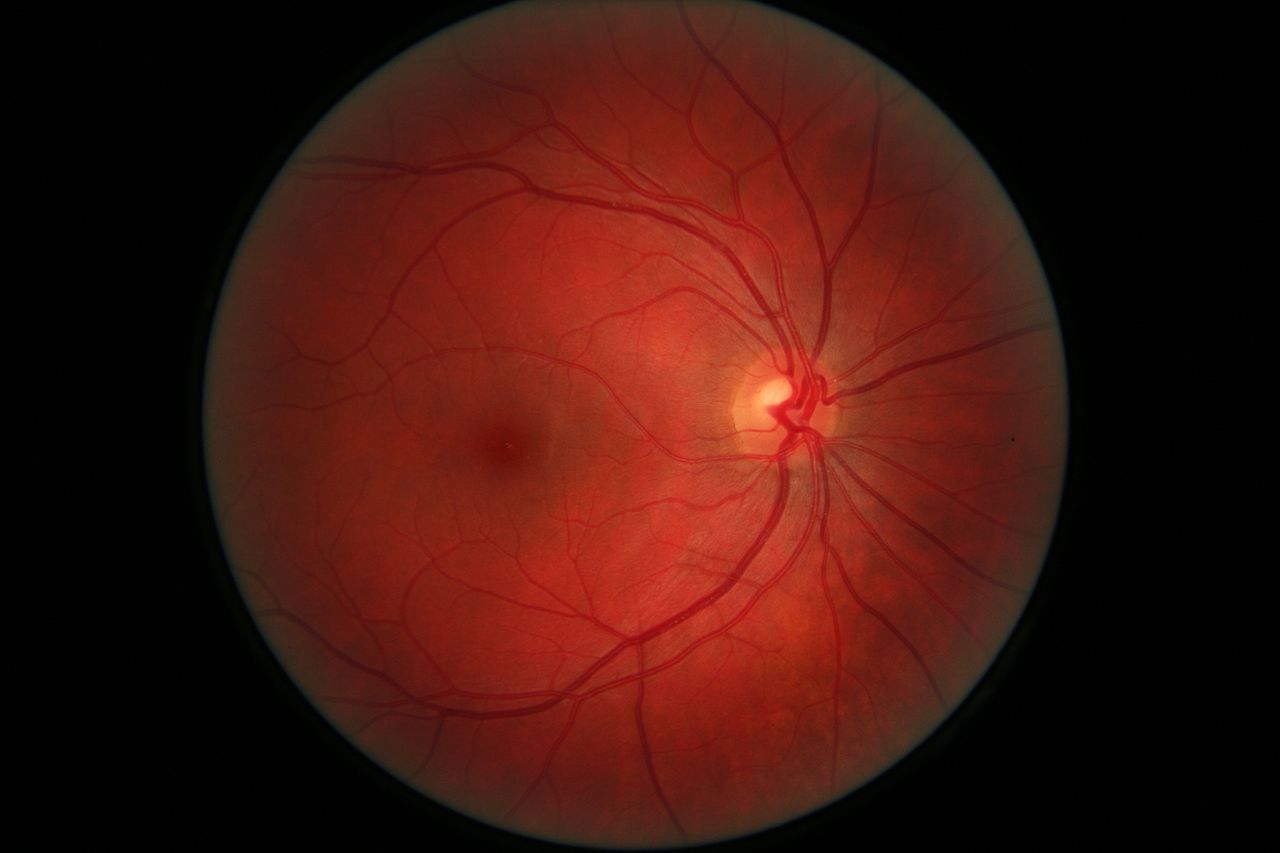
It would seem that the time when machines surpass the ability of humans to do intricate work is almost here. One of Google’s Artificial Intelligence projects is apparently capable of diagnosing the retina of patients to see if they are about to go blind. The search engine company even went so far as to claim that the AI is better than actual doctors at diagnosis.
As Google noted in a blog post about the AI, Diabetic retinopathy is a quickly rising cause of blindness among patients in the world. The disease is treatable, but only if it is caught early enough to respond to treatments. This is where effective diagnosis comes into play.
“Unfortunately, medical specialists capable of detecting the disease are not available in many parts of the world where diabetes is prevalent,” the blog post reads. “We believe that Machine Learning can help doctors identify patients in need, particularly among underserved populations.”
The findings with regards to the diagnostic capabilities of the AI was published in the Journal of the American Medical Association. The paper included proposals on certain potential benefits that machine learning could provide with regards to diagnosing medical problems and even helping to find ways to treat them.
In the case of blindness caused by Diabetic retinopathy, the AI is fed images of retinas, which it will then scan and analyze for any of the telltale sign of impending blindness. After going through 128,000 images of retinas with the traits that led to the condition, the AI was given 10,000 new images to diagnose. Based on the results, the machine was much better at detecting which images posed the biggest threat of blindness for the subjects.
There are significant advantages to having this kind of powerful tool, especially with regards to detecting and curing diseases. However, there is also the startling implication that if a machine can replace vocations as complex and important as those in the medical profession, just how much of human society can AI replace?







