


 Qantas Near-Miss Raises Sydney Air Traffic Controller Fatigue Concerns
  Eli Lilly Eyes AtaiBeckley Acquisition to Expand Psychedelic Mental Health Pipeline
  SK Biopharmaceuticals Secures Global Rights to Biohaven Epilepsy Drug Opakalim
  U.S. Issues Cuba Health Alert as Illnesses Rise
  SEC Seeks ISS Client Voting Records in Proxy Adviser Probe
  The government is ‘doubling down’ on its social media ban. But bigger penalties for platforms aren’t enough
  South Korea, US Discuss Chip Investments Amid Tariff Plans
  Trump Signs Order to Cut Routine Childhood Vaccines
  Lynas Rare Earths Shares Rise After Takeover Talks Revealed
  AstraZeneca Q2 Earnings Beat Forecasts as Oncology Growth Supports 2026 Outlook
  Amazon Prime Air Cargo Plane Crash Kills Five at Miami Airport
  UNAIDS Urges U.S. to Reconsider South Africa HIV Funding Withdrawal
  US Sailor’s Father Detained by Immigration Authorities
  Ingenia Rejects A$1.9 Billion Warburg Pincus Takeover Bid
  Tesla Cybercab Launch Puts Robotaxi Ambitions in Focus
  Trump Imposes New US Tariffs on Drone Imports Over National Security Concerns
  Brazil Warns EU of Retaliation Over Animal Products Ban


 Add as a preferred source on Google
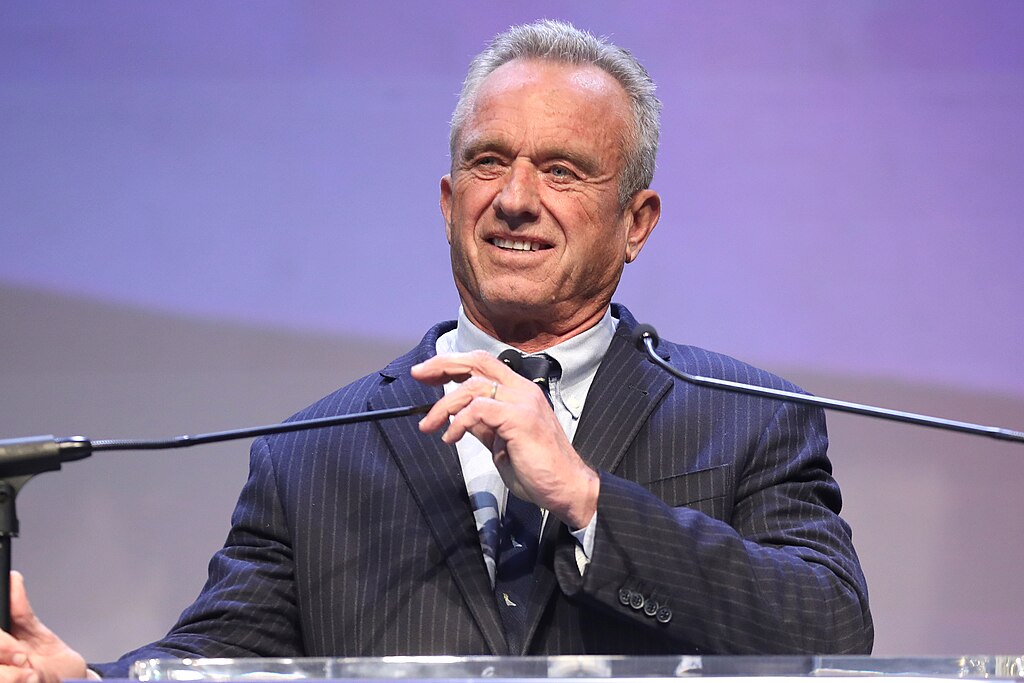
Sweeping changes to U.S. vaccine policy under Health Secretary Robert F. Kennedy Jr. are creating uncertainty across the pharmaceutical sector, dampening investor confidence and raising concerns among vaccine manufacturers. Since President Donald Trump’s administration reshaped federal health leadership, long-standing vaccine recommendations have been rolled back, marking a significant shift in public health strategy that is already affecting vaccine demand, company revenues, and long-term investment outlooks.
Over the past year, the U.S. has ended broad guidance that previously recommended routine childhood immunizations for illnesses such as influenza and hepatitis A. Additional changes include scaling back COVID-19 vaccine recommendations for pregnant women and children, altering childhood vaccine schedules, and replacing independent advisory panels with members more aligned with Kennedy’s long-held skepticism toward vaccines. These moves, which Kennedy says are aimed at improving safety and aligning U.S. policy with other nations, have alarmed public health experts and the biotech industry alike.
Investors and analysts note that vaccine makers now face increased political risk. Many initially viewed Kennedy’s appointment as a short-term headline issue, but as policy changes have translated into lower vaccination rates, the impact has become more tangible. Analysts warn that vaccines may no longer be seen as a reliable growth segment under the current administration, potentially weighing on the sector through at least 2028.
Major pharmaceutical companies such as GSK, Sanofi, Pfizer, and Merck are better positioned to absorb the impact due to diversified revenue streams. However, smaller vaccine-focused biotech firms like Moderna, BioNTech, and Novavax face heightened exposure. Recent earnings reports already show signs of strain, with lower U.S. flu vaccine sales reported despite a severe flu season. Outside the U.S., companies have also reacted to declining vaccination rates, citing increased volatility in the global vaccine market.
While many investors believe long-term demand for vaccines will recover—especially if disease outbreaks intensify—near-term uncertainty remains a drag on investment. Ongoing legal challenges from medical organizations and shifting public sentiment add further unpredictability. For now, changing U.S. vaccine policy and rising skepticism are reshaping the risk calculus for vaccine makers and investors, making the market less predictable than it has been in decades.







