Hastily avoiding a global conflict, Google fixed its cheeseburger emoji in the nick of time. The seemingly innocuous mobile feature recently sparked explosive debates all across the internet, which was huge enough for even major news outlets to take notice. The cheeseburger emoji by Google now resembles the order of layers that people are accustomed to.
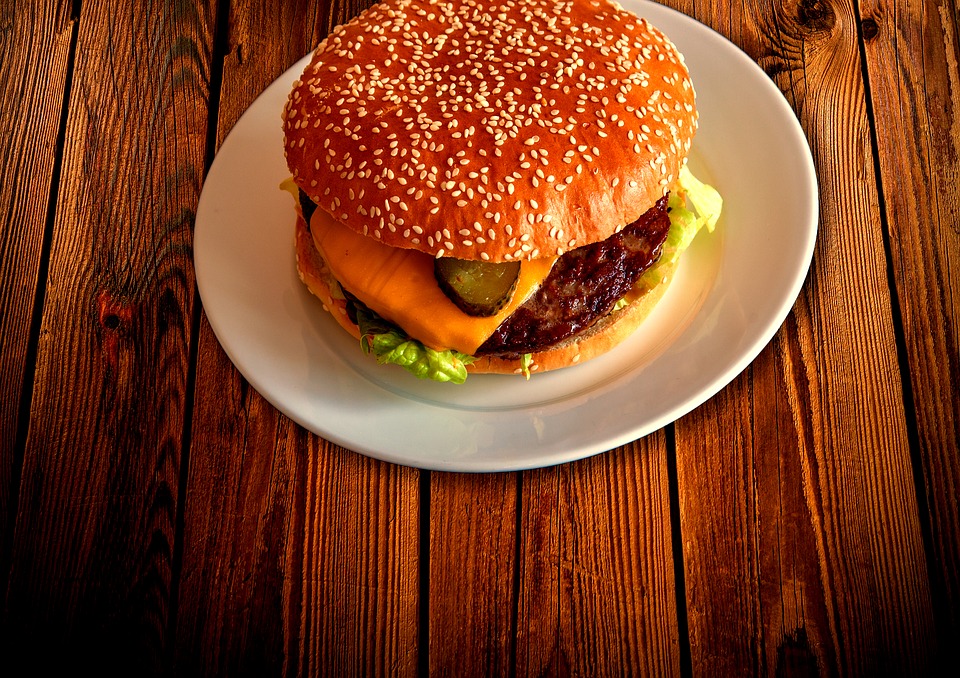
For those who haven’t been following this saga, Google broke the internet last month by releasing a cheeseburger emoji with the cheese below the patty and on top of the bottom bun. This was in direct contrast to the arrangement that most people were used to, where the cheese was on top of the patty. With the release of Android 8.1, however, this issue might finally be put to rest, Emojipedia reports.
With the update, the cheeseburger emoji will finally feature the iconic fast-food item in the order that God intended; i.e. top bun, lettuce, tomato, cheese, patty, and bottom bun. The update will also feature some minor changes with other emojis, but none of them will likely have the same impact on the community as the cheeseburger emoji.
Once news broke of this major change, users quickly took to social media to express their appreciation. Many were particularly appreciative of Google CEO Sundar Pichai, who promised last month that he and his team would drop everything in order to address the glaring oversight.
As TechCrunch notes, taking issue with the placement of cheese in what essentially amounts to a pixelated novelty might seem silly, but a huge number of people showed that they do care about these details. With the original Tweet prompting a discussion about the emoji, for example, it garnered over 51,000 likes and 25,000 retweets. This just goes to show that tech companies will need to put quite a bit of thought into their products, even ones as trivial as cheeseburger emojis.