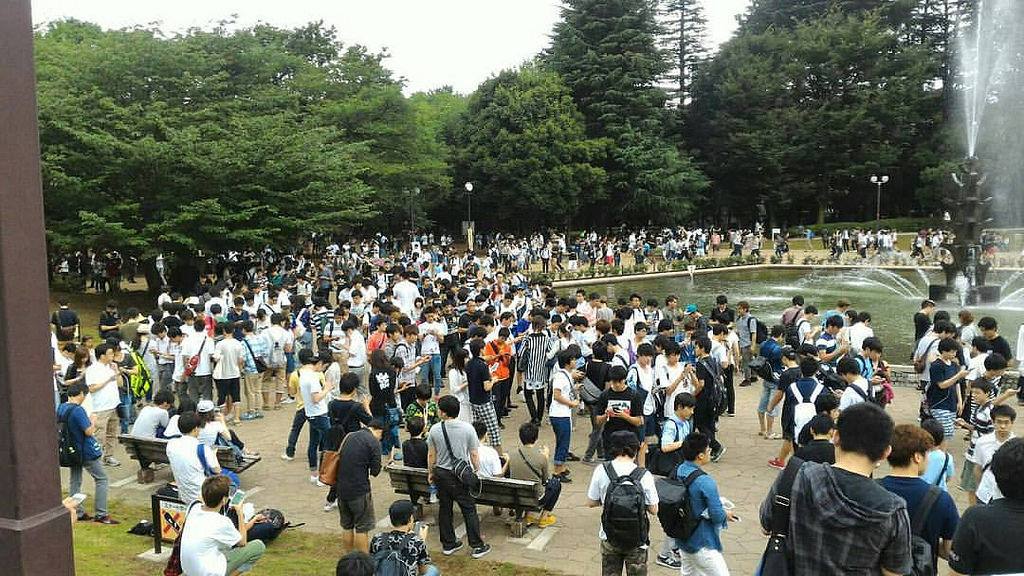
Since its July launch, Pokemon Go has been experiencing server crashes like nothing else. This pissed off a lot of players and prompted Niantic Labs to scramble just to get the servers up and running gain. Now, Google has revealed exactly why those server crashes happened so often.
Google hosted Pokemon Go from the get-go, so it was its servers that kept going down during every single launch sequence all throughout the world when they were overwhelmed by the millions of users flocking to become trainers. As the company’s blog post explains, those numbers surpassed Niantic’s worst-case scenario by a mile.
All technical details aside, the gist of the post is that the traffic generated by the game blew past the developers’ estimates fifty-fold. The traffic also caused the cloud hosted by Google to ping more often than Niantic expected by a factor of ten. The company and the developers had to get the processing power from several other cores just to meet the demand, which eventually stabilized the connection.
The head of the Customer Reliability Engineering at Google, Luke Stone wrote the post himself in order to illustrate the vast difference between the launch expectations and reality that Niantic had concocted. He marveled at the sheer popularity that Pokemon Go had gotten.
“Throughout my career as an engineer, I’ve had a hand in numerous product launches that grew to millions of users,” Stone wrote in the blog post. “User adoption typically happens gradually over several months, with new features and architectural changes scheduled over relatively long periods of time. Never have I taken part in anything close to the growth that Google Cloud customer Niantic experienced with the launch of Pokémon Go.”
More than 500 million people have downloaded the augmented reality app since it was released, Venture Beat reports, and it is still averaging 20 million users a day. This led to the $500 million in revenue that it generated worldwide.