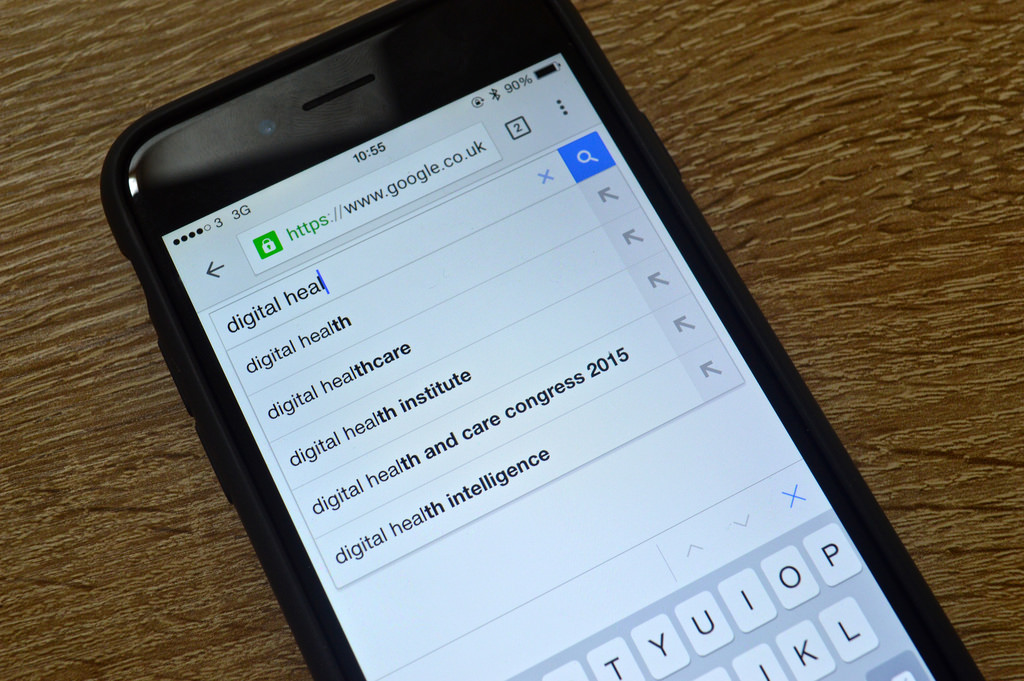
Google has traditionally divided its search result index between mobile and desktop, thus providing both platforms with the search results that their respective users were looking for. However, it would seem that the tech company might start skewing its efforts in favor of mobile going forward. This might sound like it could have drastic effects on how results for desktops are shown, but according to Google, it won’t.
The tech giant made a blog post about its plans regarding its indexing strategy for mobile users. With so many more people using their mobile phones to Google stuff, it was inevitable that the company would start leaning more towards servicing the bigger crowd.
“Today, most people are searching on Google using a mobile device,” the post reads. “However, our ranking systems still typically look at the desktop version of a page’s content to evaluate its relevance to the user. This can cause issues when the mobile page has less content than the desktop page because our algorithms are not evaluating the actual page that is seen by a mobile searcher.”
For those who are worried that this could impact the way search results are delivered when using desktop browsers, however, Google is assuring that the difference would be negligible. The company will be using the next few months to work out the kinks in the process, Engadget reports so that computer users won’t be left out.
Even with the changes, it isn’t likely that user experience would suffer anyway. The only ones who will really see any difference are the webmasters themselves, since they will need to make sure that their mobile-centric content and their desktop focused pages are getting the attention they need.
If not, it’s more than likely that they will see a drop in rankings on either platform. When that happens, attentive users might notice that some sites that always ranked high on mobile or desktop search results have dropped or disappeared.