


 Apple Cuts iPhone 18 Pro Production Orders Amid Weak Demand
  Ripple Chairman Chris Larsen Donates $22.5 Million Ahead of US Midterms
  Morgan Stanley Raises Coinbase Stock Price Target to $258 Ahead of Earnings
  OpenAI Annualized Revenue Hits $50 Billion, Below Earlier Estimates
  TSMC Q3 Revenue Beats Estimates as AI Chip Demand Surges
  Rising Rates Top Global Growth Risks as Wealthy Investors Favor Asia
  OpenAI Revenue Hits $50 Billion, Below Earlier $70 Billion Estimate
  Xiaomi Shares Surge 7.6% as SkyNomad EV Orders Hit 70,000
  DWF Labs Sues BitGo for $114 Million Over Alleged Token Sales Breach
  Amazon Cuts More Jobs as AI Investment Expands
  Zcash Plans Quantum-Resistant Security Upgrade for January
  Moscow Exchange to Launch Crypto Trading on December 1
  Elon Musk Accuses Indian Telecom Giants of Blocking Starlink Launch
  David Schwartz to Reveal XRP Ledger Future at Ripple Swell 2026
  Robinhood Chain Eyes Priority Gas Auctions for Faster Trades
  US Suspends Microsoft, Adobe From Green Card Program
  Blockchain.com Seeks CFTC Approval for Prediction Markets and Crypto Derivatives


 Add as a preferred source on Google
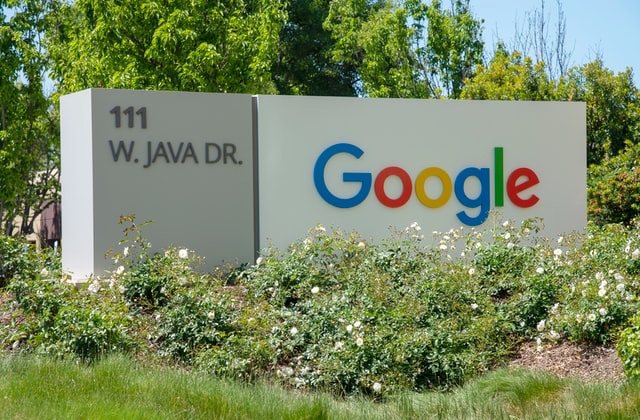
Google is contributing over $29 million or €25 million to the newly formed European Media and Information Fund to quash fake news. The tech company revealed this move on Wednesday, March 31.
Google’s contribution to stop harmful fake news
Reuters reported that last year, the election in America amid the COVID-19 pandemic crisis sparked fake news, and it was massive. The misinformation was so severe, and many blamed social media giants for not being very strict and failure to tackle the issue.
People are saying that social media companies could have done more to curb the spread of misinformation through their platforms. Fake news could have been prevented if they took real action to monitor and restrict, the observers say.
Now the European Media and Information Fund was recently formed by the Calouste Gulbenkian Foundation and the European University Institute. The goal for this is to combat fake news by recruiting researchers, public interest-oriented organizations, and fact-checkers to eliminate false information that is being spread online. For this, Google expressed its support to EMAIF by contributing millions so it can fulfill its aim.
“While navigating the uncertainty and challenges of the last year, it has proven more important than ever for people to access accurate information, and sort facts from fiction,” Google’s Europe, Middle East, and Africa president, Matt Brittin, said in a blog post. “That’s why Google is contributing €25 million to help launch the European Media and Information Fund to strengthen media literacy skills, fight misinformation and support fact-checking.”
Tech giants summoned over fake news
Meanwhile, last week heads of the leading tech companies in the U.S. were called over by officials to ask them about the proliferation of disinformation on their respective platforms. Facebook’s Mark Zuckerberg, Google’s Sundar Pichai, and Twitter’s Jack Dorsey have attended the meeting.
BBC News reported that the session was sort of tense as the head, Mike Doyle, questioned the executives in what was described as a “combative style.” Doyle was said to have asked the CEOs to answer either “yes” or “no” to the question if they felt they bore responsibility for the events that occurred at the U.S. Capitol in Washington.
Doyle was said to have challenged YouTube, Twitter, and Facebook to eliminate anti-vaxxers from their platforms which he claimed were responsible for about 65% of vaccine misinformation, and demanded a 24-hour deadline.
In response, Google’s Pichai said that throughout 2020, they have worked to identify and take down contents on YouTube that were misleading voters. And this week, Google announced its support to stop fake news through its donation to the EMAIF.







