Residents of Nuuk, Greenland’s snow-covered capital, are increasingly voicing strong support for remaining part of Denmark amid renewed U.S. interest in the Arctic island. As high-level diplomatic talks are set to take place in Washington, Greenlanders are calling for a pause in independence discussions, emphasizing stability, security, and unity within the Kingdom of Denmark.
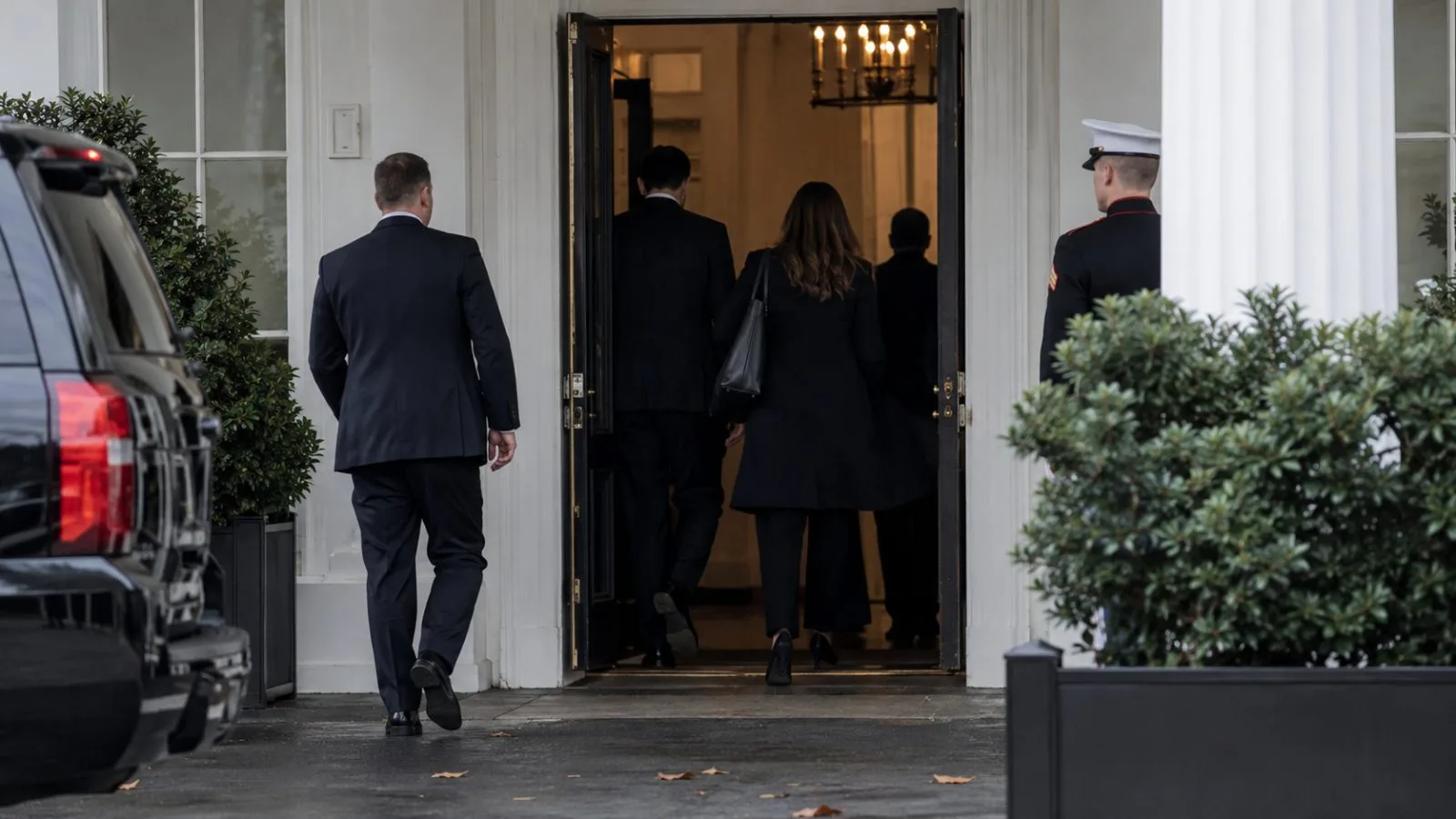
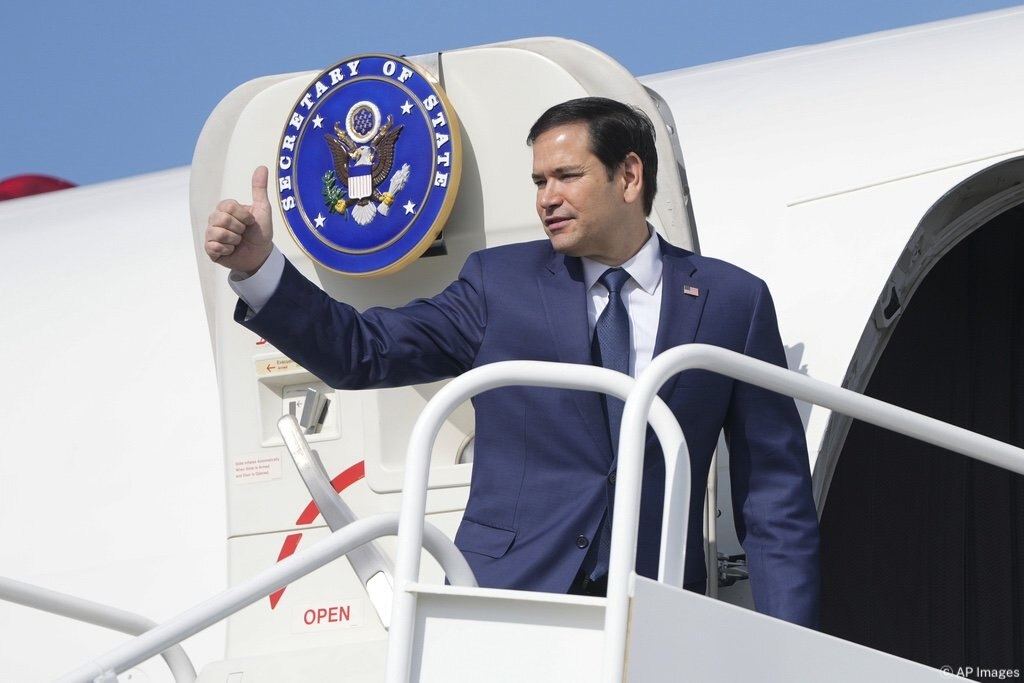
Greenlandic and Danish foreign ministers are scheduled to meet U.S. Vice President JD Vance and Secretary of State Marco Rubio following comments by U.S. President Donald Trump that reignited debate over Greenland’s strategic importance. Trump’s administration has repeatedly highlighted Greenland as vital to U.S. national security, with reports suggesting discussions around potential military involvement or financial incentives aimed at persuading Greenland to sever ties with Denmark.
Greenland’s Prime Minister Jens-Frederik Nielsen firmly rejected the idea of Greenland becoming a U.S. territory. Standing alongside Danish Prime Minister Mette Frederiksen in Copenhagen, Nielsen stressed that Greenland would choose Denmark if forced to decide, reaffirming commitment to the Danish realm and the NATO security framework. He described the situation as a geopolitical crisis requiring unity rather than division.
Public opinion in Greenland appears to be shifting. While long-term independence remains a goal for some, many residents now favor maintaining close ties with Denmark. Nuuk-based lawyer Finn Meinel noted that staying under Denmark and NATO provides essential security during uncertain times. Pensioner Charlotte Heilmann echoed these concerns, expressing discomfort with the idea of U.S. control and reaffirming Greenland’s cultural and political ties to Denmark.
The heightened U.S. rhetoric has also fostered greater unity among Greenlanders. Tour operator Casper Frank Moller observed that external pressure has reduced internal divisions over independence, strengthening collective resistance to any form of annexation.
Greenland has steadily expanded self-governance since 1979, but officials acknowledge there is no urgency to alter the current arrangement. Danish leaders are now under pressure to enhance Arctic defenses as geopolitical competition intensifies, with NATO exercises planned in Greenland by 2026. While Denmark values its alliance with the U.S., Prime Minister Frederiksen admitted that navigating this challenge may be the most difficult test yet.