


 US Confirms Weapons in Orbit as Space Tensions Rise
  ICE Agent Arrested in Minneapolis Over Venezuelan Man Shooting
  Trump Administration Pauses Visa Appointments Worldwide
  Australia Defends Social Media Algorithm Law Amid US Concerns
  US Allies Fear Trump Could Soften Taiwan Stance in Xi Talks
  UK PM Andy Burnham Set for First Trump Meeting in New York
  Global Poll Shows Rising Trust in Institutions as US-China Leadership Support Falls
  US Judge Dismisses Imran Ahmed Deportation Lawsuit
  Europe can’t achieve space sovereignty alone. Here’s why
  Trump Eyes End to Iran War, Plans Gulf Leaders Meeting
  New Zealand Labour Backs Social Media Ban for Under-16s
  Rodrigo Duterte Makes First Public Appearance at ICC in 18 Months
  US Resumes Immigrant Visa Processing for Hungary, Poland
  North Korea Vows to Expand Nuclear Arsenal Amid U.S.-Led Military Buildup
  Trump Hopes Iran War Nears End as Yemen Fighting Escalates
  SEC Seeks ISS Client Voting Records in Proxy Adviser Probe
  Paris Talks Focus on Lebanon Army Needs as UNIFIL Exit Looms


 Add as a preferred source on Google
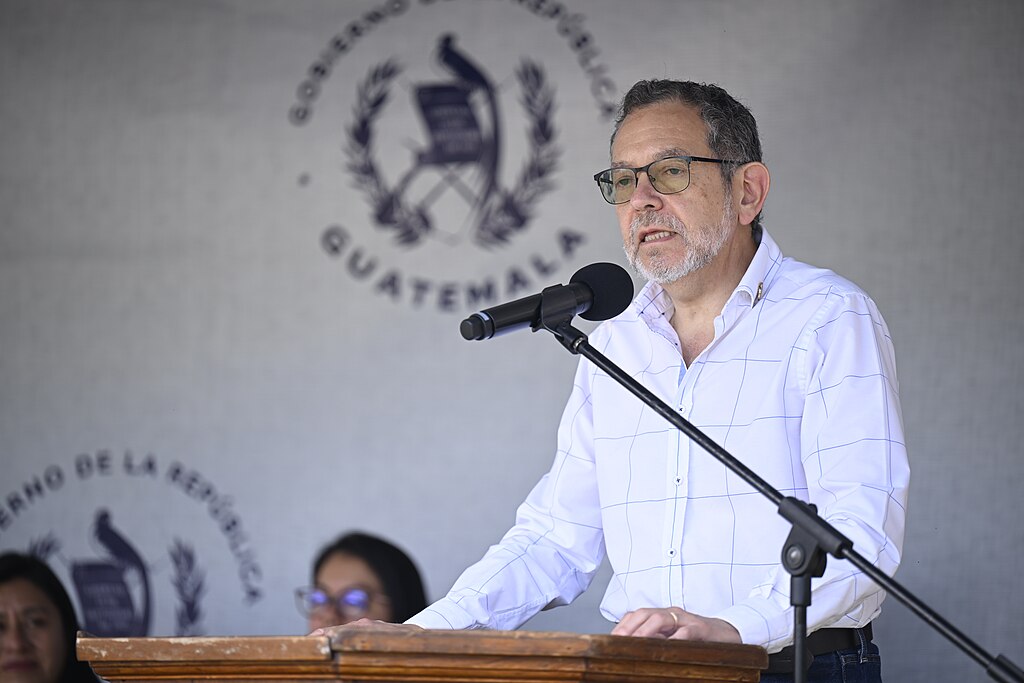
Guatemala’s president, Bernardo Arévalo, declared a 30-day state of siege after a wave of gang-related violence erupted following a dramatic prison hostage crisis that left at least seven police officers dead and 10 others injured. The emergency measure was announced on Sunday after security forces successfully freed dozens of prison guards who had been taken hostage by inmates during coordinated riots at three men’s prisons.
The violence began early Saturday when rioting inmates seized 46 prison guards. Guatemalan authorities blamed the unrest on the Barrio 18 gang, one of the country’s most notorious criminal organizations, which the government said was attempting to pressure officials into granting greater privileges to imprisoned gang members. Security forces eventually regained control of the prisons, including the facility where Barrio 18 leader Aldo Duppie, also known as “El Lobo,” was being held.
After authorities reestablished control and took Duppie back into custody, gang-led retaliation quickly followed. Armed attacks targeting police officers broke out across several areas in and around Guatemala City, escalating fears of widespread insecurity. President Arévalo described the assaults as deliberate attempts to terrorize both security forces and the public, vowing that the government would not retreat in its fight against organized crime. One gang member was also killed during the clashes.
Under Guatemalan law, a state of siege allows the government to temporarily restrict certain civil liberties and expand the powers of the police and army in response to serious threats to public order. Arévalo emphasized that the measure is aimed solely at dismantling gang violence and should not disrupt the daily lives of ordinary Guatemalans. Nevertheless, authorities urged caution, with the National Civil Police advising residents to stay home and the U.S. Embassy issuing a security alert for American citizens.
As a precaution, school classes nationwide were canceled on Monday, and three days of national mourning were declared. Barrio 18 was officially labeled a terrorist group by Guatemala’s Congress in October 2025, shortly after it received the same designation from the United States. El Lobo, who is serving prison sentences totaling nearly 2,000 years, remains a central figure in the ongoing crackdown against gang violence in Guatemala.







