Hostilities in the Gulf region intensified on Wednesday after the U.S. military reported that multiple Iranian missile and drone attacks targeting Bahrain, Kuwait, and other regional locations were either intercepted or failed before reaching their intended targets. The latest developments highlight the ongoing Iran-U.S. conflict, which has continued despite recent diplomatic efforts aimed at securing a lasting ceasefire.
According to U.S. Central Command, two Iranian missiles launched toward Kuwait either fell short or disintegrated during flight, while three ballistic missiles aimed at Bahrain were successfully intercepted. Several additional missiles targeting regional sites also failed to reach their objectives. U.S. forces further reported shooting down Iranian drones that threatened civilian vessels and military assets in the Gulf.
The military response included strikes on Iran’s Qeshm Island near the Strait of Hormuz following what Washington described as attempted Iranian attacks. Iranian state media, however, claimed the Islamic Revolutionary Guard Corps (IRGC) launched missile and drone operations against the U.S. Fifth Fleet headquarters in Bahrain and other military targets in retaliation for a U.S. strike on a communications facility south of Qeshm.
Despite Iran’s claims, U.S. officials stated that all attacks were unsuccessful and emphasized that American forces remain prepared to counter any further aggression. The renewed confrontation pushed oil prices more than 1% higher in early trading, reflecting continued concerns over instability in the energy-rich Gulf region.
Efforts to secure a formal agreement between Washington and Tehran have shown limited progress. Although both sides previously announced a tentative framework to end the conflict, no final deal has been signed. President Donald Trump insisted negotiations remain active, while Iranian media reported a lack of direct communication between the two governments in recent days.
A major sticking point remains Iran’s nuclear program. The United States continues to demand that Tehran halt nuclear activities in exchange for sanctions relief, while Iran maintains that its nuclear ambitions are strictly peaceful.
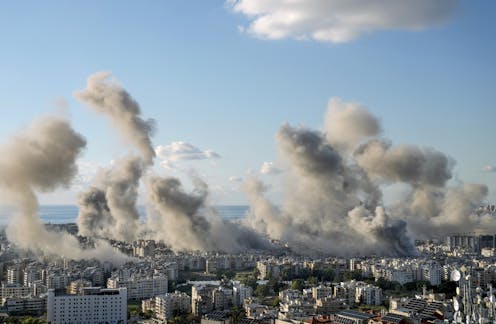
Meanwhile, regional tensions have expanded beyond Iran. Israel continued military operations in southern Lebanon despite a recently announced partial ceasefire, contributing to a humanitarian crisis that has displaced more than one million people. The broader conflict has disrupted global shipping routes, increased energy costs, and complicated international aid deliveries, underscoring the far-reaching economic and humanitarian consequences of the ongoing Middle East crisis in 2026.