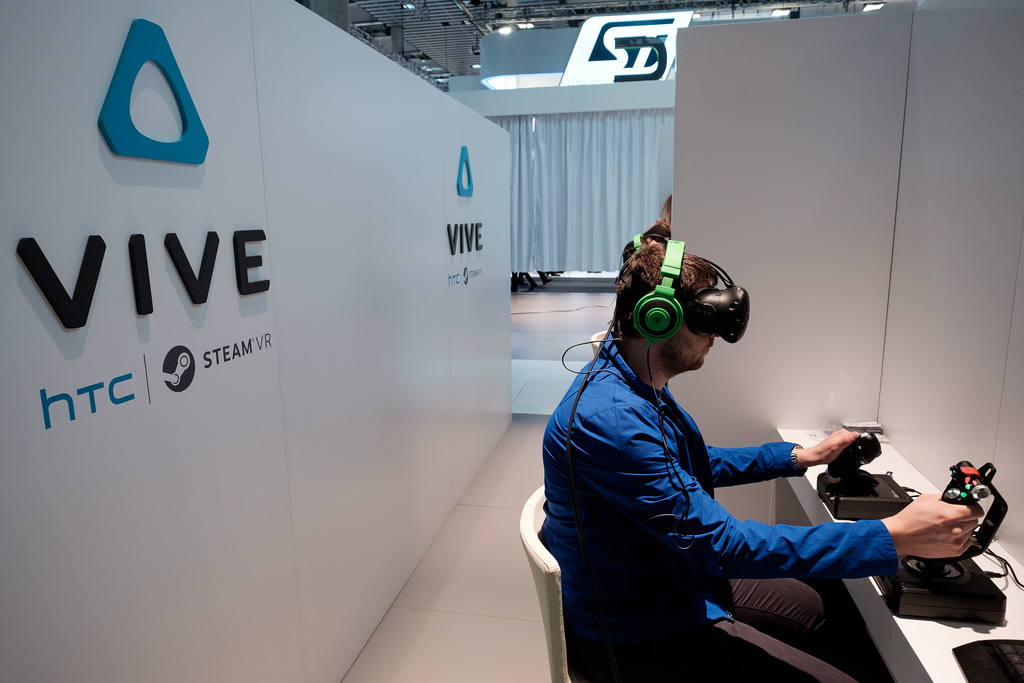
When the first HTC Vive VR headset was launched, it was praised for its many incredible features that really brought the experience to life. The product recently got an upgrade with the more powerful Vive Pro and based on the reviews posted so far, it is one impressive VR set. Unfortunately, it seems the price is something of a concern, as well.
In its own review of the Vive Pro, Gizmodo notes that the headset is an improved version of the original Vive in practically every way that matters and perhaps in some other novel aspects. The publication’s sentiments mimic the reaction of others in that the Pro has better graphics, is more comfortable to wear and use, and has been redesigned to look more appealing.
The only thing that is holding it back is the price tag, which was already a problem with the original Vive. When getting the Pro and its complete set, which include two controllers and base stations, the price goes up to $800. That’s $300 more than what the Vive cost during launch back in 2016.
That amount doesn’t even cover the actual rig that will need to accompany the Pro, which could easily set customers back for $1,100, Ars Technica reports. That is a lot of money to ask customers, many of whom are not even all that interested in VR until they can actually try it without spending anything.
Among the biggest customers that HTC will have that with potentially no qualms about buying the Pro might just be businesses in the location-entertainment industries. The average household neither has the interest nor the income that would allow them to justify a purchase of the HTC Vive Pro, and this is going to be a problem. If VR is to proliferate, it needs to reach more people.