Many businesses shy away from offering anything for free, and for obvious reasons. If you give stuff away for free, you’re immediately making a loss on those products or services, in theory. In the contemporary online business space, where it’s all too easy to quickly find something similar, the word “free” can be the ultimate salesperson.
Now a colossal buzzword, the artificial intelligence chatbot ChatGPT can’t solve Wordle puzzles as we explain in this Econotimes.com article, but it is free to use. This is just for its basic form, but being free allowed millions of people to pile into the program and play around, spreading the word. Now, there are several articles per day written by ChatGPT. It’s very low-tier content, but it puts the name in headlines and likely leads to more users.
Of course, ChatGPT is the exception for virality, being able to boom to headlines and into the social consciousness through a mix of paranoia of the advancements of AI and intrigue in how it would respond to various questions. Still, any business can harness the allure and goodwill that naturally comes with offering something for free, and best of all, there are many ways to make it work.
Free shipping is essentially a necessity now
Source: Unsplash
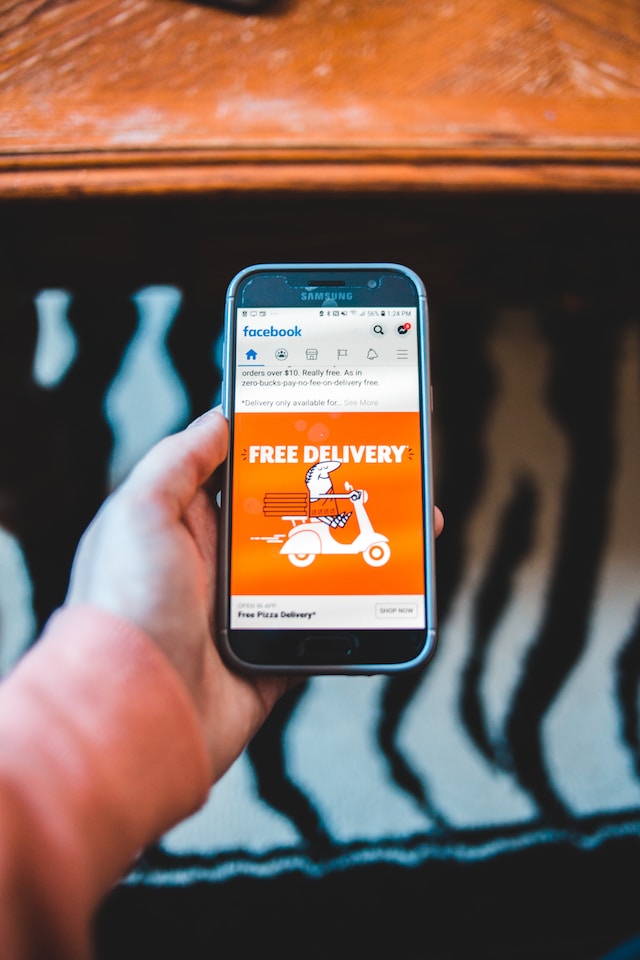
Unfortunately, for every online business that’s not part of a mega-corporation, free shipping has become so desirable and even normalised that it truly dictates customer decisions. Even if you’ve got significantly cheaper products, seeing that postage calculation come up will deter some customers. A lot of this comes down to the perception of additional costs on what is, in the mind of a customer, added on top of what was agreed.
There are several statistics that showcase how much of a difference-maker a banner that says “free shipping” can be online. Nine in ten people see free delivery as the main reason why they’d shop online more – which makes sense as there aren’t delivery costs when shopping in person. Almost nine in ten people say that shipping costs make them ditch their baskets. Then, there are the over 90 per cent who buy to qualify for free delivery.
This last stat is the big one that gives hope for a workable way to offer free shipping. After all, the goliath that is Amazon doesn’t even offer true free shipping – you need a Prime subscription that you pay for every month – but there’s the perception that it’s free even with this qualifier. Having a threshold is the ideal way to offer free shopping. Hobby shops like Goblin Gaming, Element Games, and Magic Madhouse have run with this idea.
Get them in by paying for their efforts

Source: Pixabay
Generally, when people are settled on a brand, service, or platform, they don’t really want to move as long as it’s fulfilling their most basic requirements. Many customers, particularly online, need a nudge, and even want a nudge. That can come in the form of giving them a “free” gift, bonus, or offer.
In the UK, many banks see it as the golden ticket, with NatWest, for example, giving away £200 to those who switch current accounts – but only to those who deposit at least £1,250. So the bank gets a sizable deposit that it can then make use of, adding another customer to its ecosystem, and gives some cash to those who qualify. A similar approach has long been the standard in online gambling. Now, there’s a whole host of sites reviewed and ranked by CasinoBonusCA that offer not only matched deposit offers, but no-deposit bonuses. These bonuses available on platforms like Wolfy Casino and Brango Casino don’t even require real-money deposits to activate and are awarded for signing up.
Offer a trial to let products sell themselves
As detailed by the founder of BidPrime, via Forbes.com, free trials can be an incredibly efficient way to generate sales and even be profitable. It’s a similar finding from the ChatGPT example, but if you have some service or product that is quite difficult to market or fully detail what it does in a nutshell, you should consider the ‘show not tell’ approach that free trials nail. People use it, invest time, and once they’ve sussed it, they don’t want to spend time learning another program. Free samples work similarly but with postage to consider.
Customers are happy to pay more to get something for free, and online businesses can capitalise on this fact.
This article does not necessarily reflect the opinions of the editors or management of EconoTimes