


 FIFA Faces Investigation Over 2026 World Cup Ticket Pricing and Seat Allocation Issues
  Fed's Hammack Urges Faster Rate Hikes to Fight Inflation
  Visa Wins China Approval to Prepare Domestic Payments Expansion
  Elon Musk Donates $366 Million to 2026 US Midterms
  U.S. Plans $115 Million Counter-Drone Investment to Secure FIFA World Cup and Major National Events
  Arthur Hayes Announces FLOP Testnet Launch Within Weeks
  FIFA Defends Balogun Ban Suspension After Trump Praise Sparks World Cup Controversy
  Ethereum Foundation-Linked Wallets Move $11.13M in ETH to Kraken
  Hong Kong’s Second Solana ETF Launches With Lower Fees
  Gold Prices Rebound as Dollar Weakens Ahead of US Inflation Data
  Binance to Shut Down Crypto Mining Pool Services on November 10
  S&P 500 Rally Masks Losses for Over 40% of Stocks in 2026
  FAA to Pause Reagan National Airport Flights for Freedom 250 IndyCar Race
  Nvidia’s China AI Chip Market Share Falls to 34% as Huawei Gains Ground
  NBA Returns to China with Alibaba Partnership and Historic Macau Games
  Morgan Stanley Predicts $10 Trillion RWA Market by 2030
  Apple Supplier Luxshare Faces US Patent Probe, Sees Limited Impact


 Add as a preferred source on Google
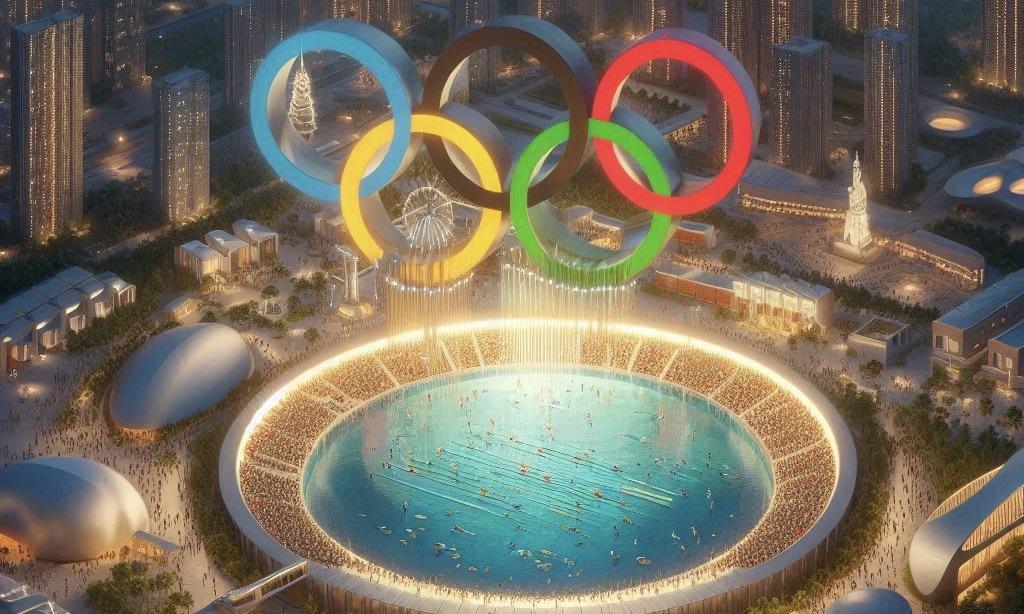
Hosting the Olympics is not just a matter of national pride or economic investment; it is a transformative event that can yield profound social benefits for the host country. Beyond the spectacle of athletic excellence, the Olympics have the power to unite nations, inspire future generations, and drive significant social change. Here’s an exploration of how hosting the Olympics can positively impact society.
Fostering National Unity and Pride
One of the most immediate social benefits of hosting the Olympics is the sense of national unity and pride it fosters. The Games provide a unique opportunity for citizens to rally behind their athletes, creating a collective sense of identity and purpose. This unity often extends beyond the duration of the event, fostering a long-term understanding of national pride and solidarity.
Enhancing International Reputation
Hosting the Olympics puts the host country on the global stage, enhancing its international reputation. Successfully organizing such a high-profile event showcases the country’s capabilities and can improve its standing in the international community. This enhanced reputation can increase tourism, foreign investment, and global partnerships long after the Games.
Promoting Physical Activity and Healthy Lifestyles
The Olympics inspire people, especially the youth, to engage in sports and physical activities. The presence of world-class athletes and the excitement surrounding the Games can motivate individuals to adopt healthier lifestyles. Host countries often see a surge in sports participation, which can have long-term health benefits for the population.
Strengthening Community Cohesion
The preparation and execution of the Olympics often involve extensive community engagement. Volunteers from diverse backgrounds come together to support the event, fostering a sense of community and shared purpose. This involvement can strengthen community bonds and encourage civic participation, leaving a lasting impact on social cohesion.
Infrastructure and Urban Development
While the economic benefits of hosting the Olympics are often debated, the social impact of improved infrastructure is significant. Developing new sports facilities, transportation systems, and public spaces can enhance the quality of life for residents. These improvements often benefit underdeveloped areas, providing long-term social advantages.
Educational Opportunities and Youth Engagement
The Olympics offer numerous educational opportunities, from increased funding for school sports programs to promoting Olympic values such as excellence, friendship, and respect. These initiatives can profoundly impact youth, encouraging them to pursue their goals and contribute positively to society.
Cultural Exchange and Diversity
The influx of international athletes, spectators, and media promotes cultural exchange and diversity. Hosting the Olympics allows the host country to showcase its culture while also embracing the cultures of participating nations. This exchange fosters mutual understanding and respect, promoting global harmony.
Environmental Awareness and Sustainability
In recent years, the International Olympic Committee (IOC) has emphasized sustainability, encouraging host cities to adopt environmentally friendly practices. These initiatives raise awareness about environmental issues and can lead to lasting changes in public attitudes and behaviors toward sustainability.
Conclusion
Hosting the Olympics is complex and costly, but the social benefits can be substantial and far-reaching. From fostering national unity to promoting healthy lifestyles and enhancing international reputation, the Games have the potential to bring about significant positive change. As countries continue to bid for the honor of hosting the Olympics, the social impact remains a compelling reason to take on this monumental task. The true legacy of the Olympics lies in the medals won and the lasting social transformations they inspire.







