


 South Korea Exports Set for 16th Monthly Gain on AI Chip Demand
  RBA Set for September Rate Hike as Inflation Stays High
  Asian Currencies Mixed as Yen Weakens, RBA Hike Looms
  UK Housebuilder Stocks Surge on New First-Time Buyer Loan Scheme
  XRP Price Targets $1.70 as Bullish Momentum Builds
  Global Central Banks Brace for More Rate Hikes as Inflation Risks Rise
  Nvidia China Chip Sales Report Sends Chinese Semiconductor Stocks Lower
  US Dollar Hits Two-Month High as Aussie, Pound Slide
  Japanese Yen Retreats as Dollar Rises Ahead of Fed, BOJ Rate Decisions
  BOJ Set for 25-Basis-Point Rate Hike as Yen Weakness Fuels Inflation


 Add as a preferred source on Google
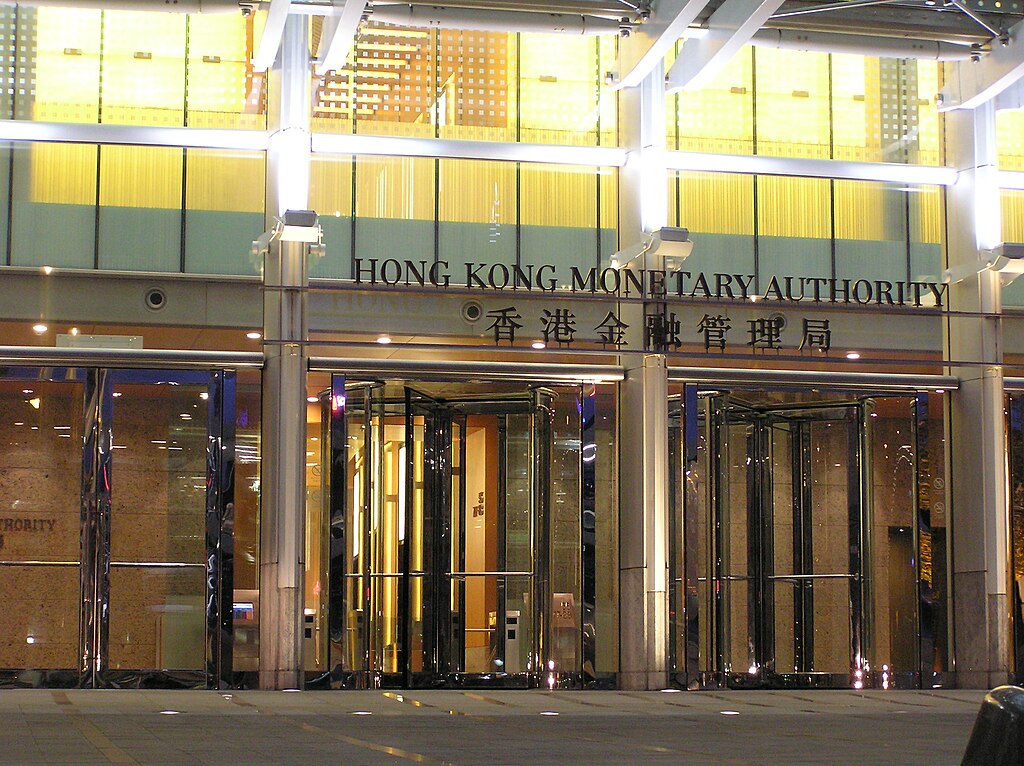
Hong Kong’s central bank lowered its base interest rate by 25 basis points to 4.50% on Thursday, mirroring the U.S. Federal Reserve’s recent rate cut. This marks the Hong Kong Monetary Authority’s (HKMA) first reduction since December, as the city’s monetary policy remains tied to U.S. decisions due to the Hong Kong dollar’s peg to the greenback at 7.75–7.85 per dollar.
HKMA Chief Executive Eddie Yue highlighted that the rate cut would provide support to Hong Kong’s property market and broader economy. He assured that the city’s financial system and monetary markets continue to function smoothly despite global economic uncertainties.
The Fed cut its benchmark interest rate by a quarter of a percentage point on Wednesday, signaling that additional reductions are expected throughout the year. U.S. policymakers indicated a gradual easing path, aiming to stimulate growth while maintaining financial stability.
Yue suggested that the Federal Reserve could lower rates by an additional 50 basis points before the end of the year, although he cautioned that the timing and scale of future cuts remain uncertain. For Hong Kong, the move could reduce borrowing costs, ease pressure on homeowners and businesses, and potentially boost economic activity in the coming months.
The synchronized policy shift underscores the deep link between Hong Kong and U.S. monetary systems. With the HKMA tracking the Fed, future interest rate changes in the United States will continue to directly influence Hong Kong’s lending environment, property market dynamics, and overall economic outlook.
By aligning with U.S. monetary policy, Hong Kong aims to maintain currency stability and investor confidence, ensuring resilience in the face of global economic shifts.







