


 China, US Extend Trade Truce Through January 10 After Trump-Xi Summit
  RBA Set for September Rate Hike as Inflation Stays High
  China Industrial Profit Growth Slows as Weak Demand Offsets AI Gains
  RBA Hikes Interest Rate to 4.60% as Inflation Risks Rise
  Yen Sinks as BOJ Rate Hike Fails to Impress Markets
  ECB May Stop Rate Hikes After December, Capital Economics Says
  Asian Stocks Fall as Bond Yields and Oil Prices Surge
  Asian Currencies Mixed as Yen Weakens, RBA Hike Looms
  Fed’s Williams Signals One More Rate Hike Before Year-End
  Oil Prices Jump Nearly 3% as Iran Holds Firm on Hormuz Conditions
  BOJ Set for 25-Basis-Point Rate Hike as Yen Weakness Fuels Inflation
  China Cuts Tariffs on U.S. Farm Goods but Excludes Soybeans
  BlackRock’s Rick Rieder Favors Bonds Over Stocks as Treasury Yields Surge


 Add as a preferred source on Google
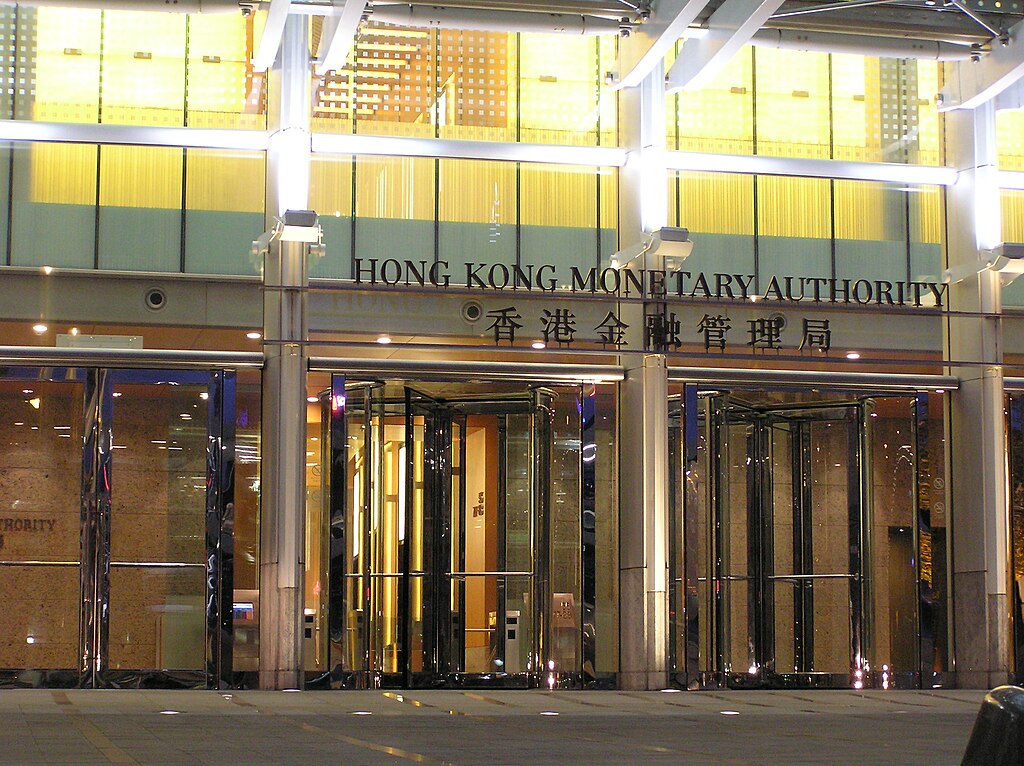
Hong Kong’s de-facto central bank, the Hong Kong Monetary Authority (HKMA), lowered its base interest rate by 25 basis points to 4.0% on Thursday, mirroring the latest policy shift by the U.S. Federal Reserve. This marks the third rate cut by the HKMA in 2024, following similar easing actions earlier in the year, including one in late October. The adjustment comes as part of Hong Kong’s long-standing policy to move in tandem with U.S. interest rate decisions due to the city’s currency peg, which keeps the Hong Kong dollar trading tightly within a 7.75–7.85 range against the U.S. dollar.
HKMA Chief Executive Eddie Yue said the rate cut is expected to support Hong Kong’s economy and housing market, noting that lower borrowing costs typically stimulate activity. However, Yue emphasized that the outlook for future rate cuts remains uncertain, especially as the Federal Reserve signaled a likely pause in easing at its next meeting in January. He urged households and businesses to remain cautious and manage interest rate risks carefully when making financial or property-related decisions.
Despite global economic pressures, Yue highlighted that Hong Kong’s monetary and financial markets continue to function smoothly, underscoring the resilience of the city’s financial system. The Fed’s own 25-basis-point reduction had been widely anticipated, but its indication of a potential pause has introduced new questions about the pace of monetary easing going forward.
As Hong Kong maintains its currency peg and closely aligned monetary policy with the United States, shifts in U.S. interest rates will continue to influence local borrowing costs, market liquidity, and economic sentiment. The latest move signals ongoing efforts to support economic stability while navigating an uncertain global interest rate environment.







