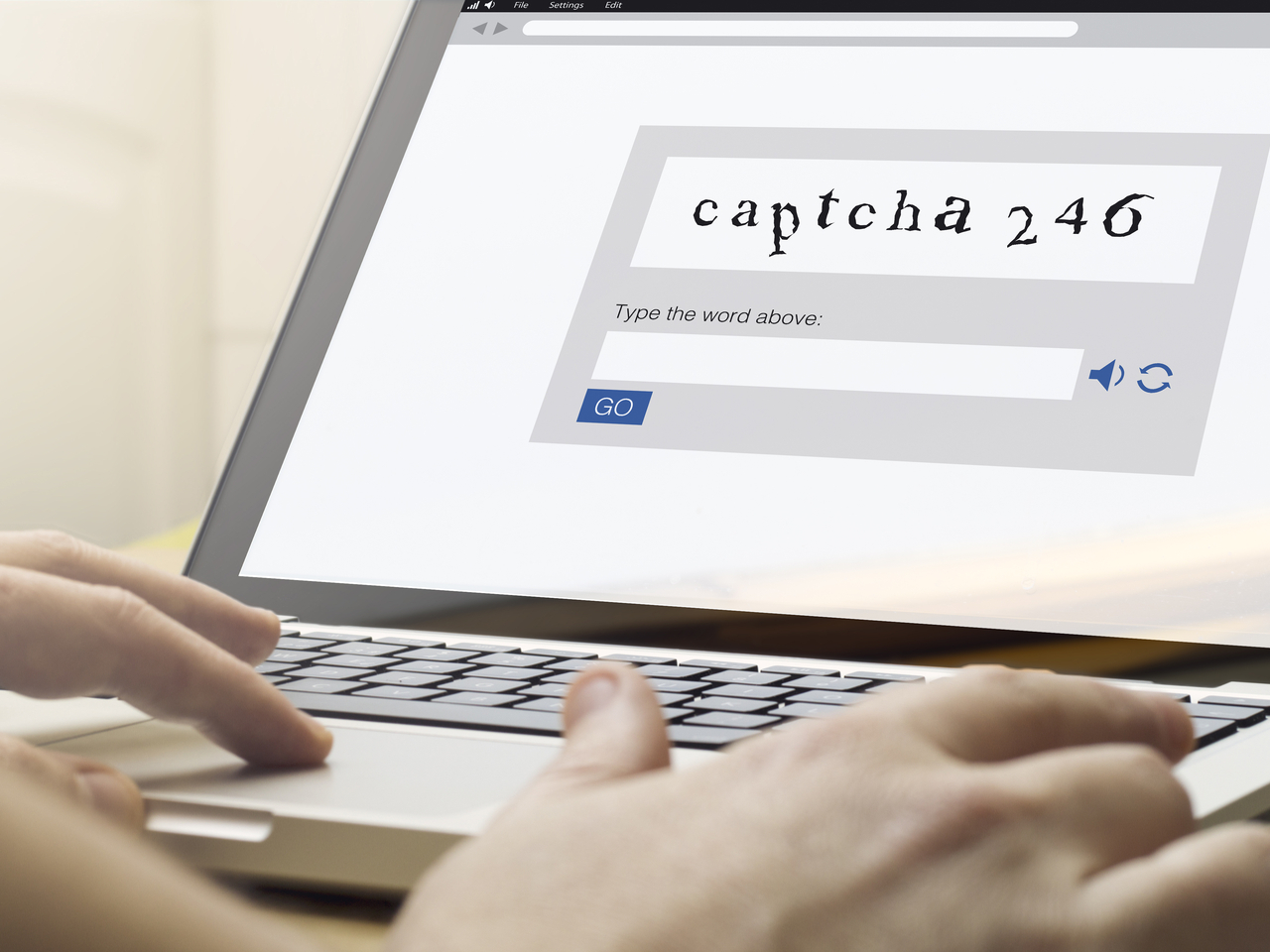
Law firms need to take action to ensure their websites are as secure as possible. CAPTCHA can help do just this. Here is more information on CAPTCHAs.
Your law firm has confidential and personal information stored on your computers, on your website, and your servers. If this information were to get out, it could be damaging to your past and current clients. It can also destroy the reputation of your law firm, which has a responsibility to protect all of this information. There are many different ways that you can work to keep your website secure. One of the options available to you is to implement a CAPTCHA system.
Nick Nouri, a law firm IT services professional in Vancouver, Canada, offers excellent information about a CAPTCHA system and how it can benefit your law firm's website.
What is CAPTCHA?
A CAPTCHA is an element that requires human involvement to pass on to the next step or webpage. The most common type of CAPTCHA out there is the word CAPTCHA. You may see a series of letters or numbers, and then have to type those letters or numbers correctly into the box to sign up for a new account, make a purchase using stored information, or access your account from an unsecured computer. CAPTCHAs have started to change a bit, and some now have up to nine images. A human must follow the directions, such as clicking on cars in each image, finding a crosswalk in the images, or locating traffic signals.
What Are the Benefits of Using a CAPTCHA?
The most significant benefit associated with using a CAPTCHA is that you need human interaction to pass the CAPTCHA. Most bots have a hard time completing CAPTCHAs. A bot cannot be trained to read, nor can it identify objects in pictures. As such, a bot cannot gain access to an area that has CAPTCHA technology implemented. This restricts access to only humans, which helps to secure your website. It also helps to prevent bots and malware that can attempt to gain access to your website and stored information.
When Should Your Law Firm Website Use a CAPTCHA?
There are many instances in which your law firm should consider using CAPTCHA technology on your website. Many companies require new users to pass a CAPTCHA test before they can sign up for a new account. Many law firms also need a user to pass a CAPTCHA test when logging in to their account and accessing personal information, such as upcoming court dates or changing their address through your computer system. Anytime users are interacting with your website and storing personal data. You should consider having them pass a CAPTCHA test.
What Other Steps Besides a CAPTCHA Should Your Law Firm Consider Using?
CAPTCHAs are great tools to help secure your website. But they are not the only tool you need to keep your law firms' website safe and secure. First, you want to ensure your website is protected by ensuring it is an HTTPS versus an HTTP, especially where customers are storing or accessing personal information. By having your law firm IT support company install a firewall that is up-to-date against current threats is another excellent way to prevent bots that may attempt to hack into or install malware on your law firm's computers. Lastly, encourage your employees to frequently change the passwords that they use to access your system, and make sure the passwords they use are not easy to guess. A password should contain a mix of upper and lowercase letters, numbers and special characters.
Having a secure website is essential to the overall reputation of your law firm. If someone were to hack your website and obtain personal and confidential client information, confidence in your law firm could decrease and the negativity can deter clients from doing business with your law firm. Implementing a CAPTCHA into certain parts of your website, as well as taking other steps to increase your website security, not only benefits your law firm, but helps to keep confidential client information safe and secure. Don't delay in making your website as secure as possible.
This article does not necessarily reflect the opinions of the editors or management of EconoTimes.