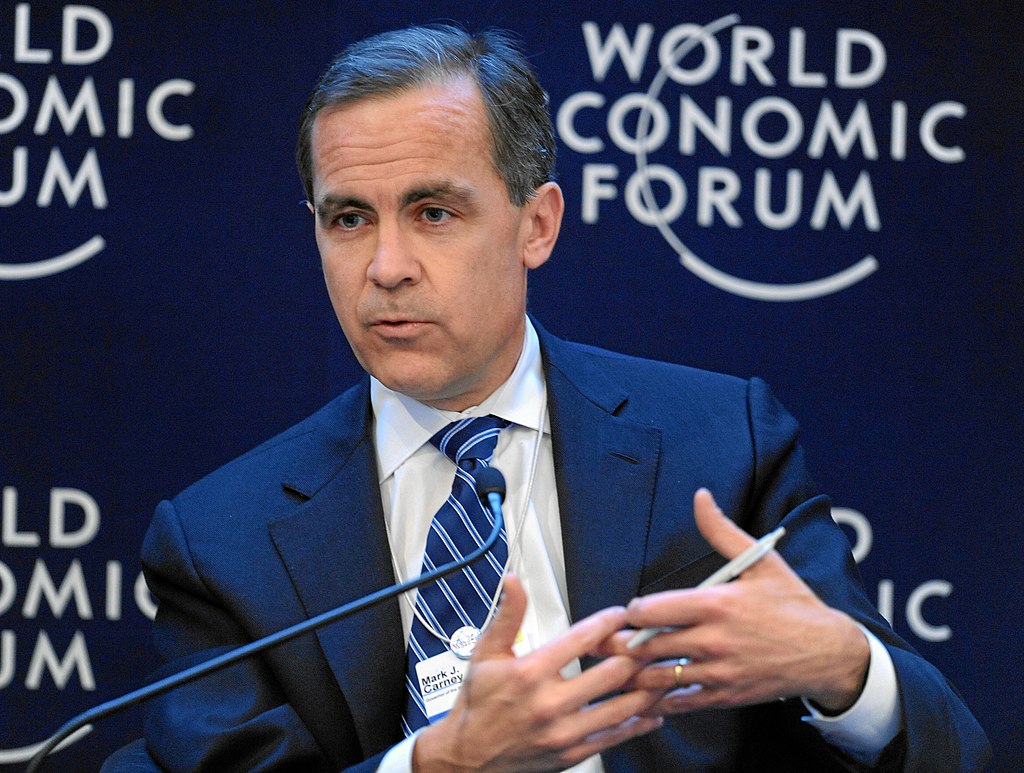
Canadian Prime Minister Mark Carney has unveiled a bold economic platform promising tax cuts, increased infrastructure and defense spending, and a leaner government, distancing himself from former Prime Minister Justin Trudeau. Carney emphasized the need for a “new economic order” less dependent on the United States, highlighting his crisis management experience during the 2008 financial crash and Brexit.
Carney criticized U.S. President Donald Trump’s tariffs and annexation threats, vowing to be the leader who can stand up to such pressures. At a recent press conference, he stressed the urgency of reducing wasteful spending while aggressively investing in economic growth.
Under his plan, Canada’s federal deficit will shrink from 1.96% of GDP in 2025-26 to 1.35% by 2028-29. Carney also proposes breaking down spending into capital and operational categories—a first in Canadian fiscal policy—and aims to cap spending growth at 2% annually, down from the current 9%. Importantly, no reductions will be made to transfers for provinces, territories, or individuals.
The campaign platform includes a promise to balance the operating budget within three years, signaling fiscal responsibility. “Our plan gets government spending under control because the government has been spending too much and Canada has been investing too little,” said Carney.
On defense, Carney pledged to surpass NATO’s 2% GDP spending benchmark, strengthening Canada’s role in transatlantic security alongside European allies. These measures are designed to reposition Canada as a self-reliant global player with sustainable public finances and a modernized defense posture.
With a focus on long-term investment and reduced reliance on the U.S., Carney’s campaign aims to appeal to voters seeking both economic stability and strategic independence in an increasingly uncertain world.