


 US Immigration Arrests Surge as Deportations Lag Behind
  FCC Approves Foreign Investment in $110B Paramount-Warner Bros. Deal
  US Resumes Immigrant Visa Processing for Hungary, Poland
  Saudi Arabia Shuts East-West Oil Pipeline After Drone Attack
  U.S. Imposes New Visa Restrictions Over South Africa Policies
  Australia Defends Social Media Algorithm Law Amid US Concerns
  US Bans Canadian Alcohol, Motorcycles as Trade War Escalates
  Pentagon Restarts Testosterone Testing for US Troops
  FBI, Coast Guard Board Ships After Cyberattacks
  Trump Eyes End to Iran War, Plans Gulf Leaders Meeting
  Yemen Fighting Threatens Red Sea Oil Routes
  Houthis Seize Bab el-Mandeb as Military Power Grows
  Trump Administration Removes Confederate Memorial Criticism From Arlington Website
  Kim Yo Jong Warns of Stronger Response to US-Led Military Drills
  Najib Razak Granted House Arrest Until 2028
  Mexico Pushes for US Trade Deal Before Midterms
  Who should own the knowledge that underpins AI technology?


 Add as a preferred source on Google
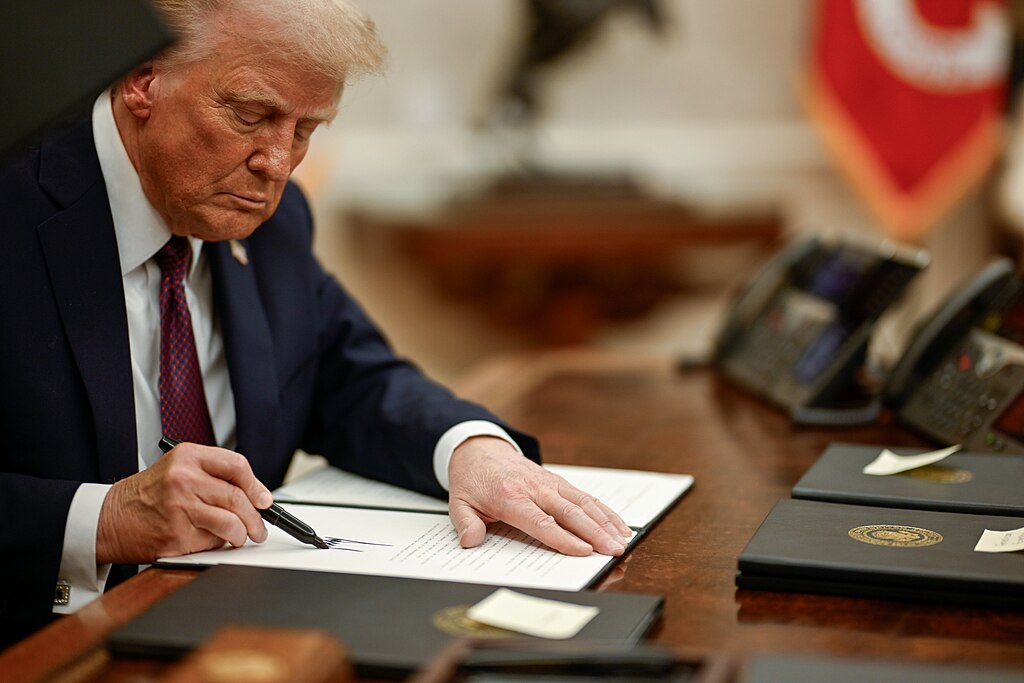
U.S. President Donald Trump announced a major overhaul of federal employment classifications, aiming to reclassify tens of thousands of government workers as “schedule policy/career.” This move, part of an executive order signed on his first day back in office, is intended to make it easier to fire career civil servants and "run the government like a business," Trump said on social media.
The reclassification echoes Trump's controversial Schedule F policy from his previous term, which was later revoked by President Joe Biden in 2021. That earlier initiative had threatened job security for an estimated 50,000 workers. Experts now warn the current order could impact hundreds of thousands of the 2.3 million federal employees, especially those involved in policymaking, a broadly defined area that includes many roles.
Critics argue the move will dismantle protections that uphold a nonpartisan, merit-based civil service. Don Moynihan, a public policy professor at the University of Michigan, warned that the sweeping reclassification could lead to mass layoffs, noting that nearly every government position involves some degree of policy work.
Since Trump’s return to office, over 260,000 federal employees have reportedly retired, accepted buyouts, or faced termination, according to Reuters. The initiative is part of a broader effort led by Trump and Elon Musk’s Department of Government Efficiency to cut what they call a “bloated” bureaucracy.
Union leaders condemned the plan. Everett Kelley of the American Federation of Government Employees called it a direct attack on professional governance, while Matt Biggs of the International Federation of Professional & Technical Engineers warned it could effectively make federal workers “at-will employees.”
Labor unions are preparing to challenge the policy, setting the stage for a major legal and political battle over the future of the U.S. civil service.







