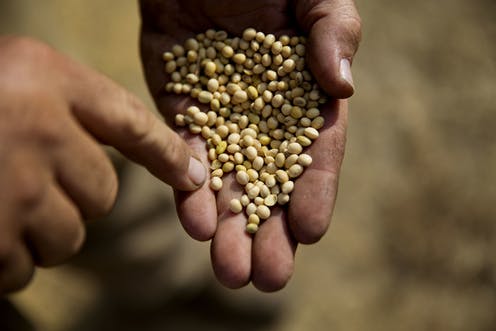
Japan is reportedly considering increasing imports of rice and soybeans as part of trade concessions to the United States in ongoing negotiations aimed at easing President Donald Trump’s tariff pressure. According to the Yomiuri newspaper, the move is a response to U.S. demands raised during the first round of bilateral trade talks in Washington last week.
U.S. negotiators, citing trade barriers, pushed Japan to open its markets to more American meat, fish, potatoes, and rice. A photo of a 400-page U.S. Trade Representative report shown during the talks highlighted areas of concern. Japanese officials have not confirmed the report, but the discussions follow Trump’s criticism of Japan's alleged 700% tariff on rice—a figure Tokyo disputes as outdated.
Economic Revitalization Minister Ryosei Akazawa led Japan’s delegation and was unexpectedly brought into the Oval Office, where Trump praised the progress made, though details remain scarce. Finance Minister Katsunobu Kato is expected to continue negotiations with U.S. Treasury Secretary Scott Bessent during upcoming global economic meetings in Washington.
Japan, which has faced 24% tariffs on exports to the U.S., currently sees a 10% blanket tariff and a 25% levy on automobiles—a key pillar of its economy. These tariffs are temporarily paused but remain a major concern for Tokyo.
Notably, Japan had already been increasing rice imports due to domestic shortages and soaring prices, even before the tariff discussions. However, political dynamics could influence the focus of U.S. demands, especially since California—source of most U.S. rice exports to Japan—is a Democratic stronghold.
Japan’s request for a prioritized list of U.S. trade demands signals a cautious but strategic approach in navigating a volatile trade landscape.