


 FCC Approves Foreign Investment in $110B Paramount-Warner Bros. Deal
  Trump Bans CNN, MS NOW and Politico From White House
  US Delegation Visits Myanmar, Secures Release of American Adam Castillo
  Kim Yo Jong Warns of Stronger Response to US-Led Military Drills
  Australia Plans New Rules Giving Users Control Over Social Media Feeds
  Google Changes EU Spam Policy Amid Antitrust Scrutiny
  SEC Seeks ISS Client Voting Records in Proxy Adviser Probe
  ICE Agent Arrested in Minneapolis Over Venezuelan Man Shooting
  Yemen Fighting Threatens Red Sea Oil Routes
  Najib Razak Granted House Arrest Until 2028
  US Bans Canadian Alcohol, Motorcycles as Trade War Escalates
  Iran Economic Crisis Forces Afghan Families to Return Home
  Saudi Arabia Shuts East-West Oil Pipeline After Drone Attack
  South Korea’s Lee Rules Out Military Role in Middle East War
  Appeals Court Rejects Trump Third-Country Deportation Policy
  U.S. Imposes New Visa Restrictions Over South Africa Policies
  Judge Blocks Trump Rule Limiting Foreign Student Visas


 Add as a preferred source on Google
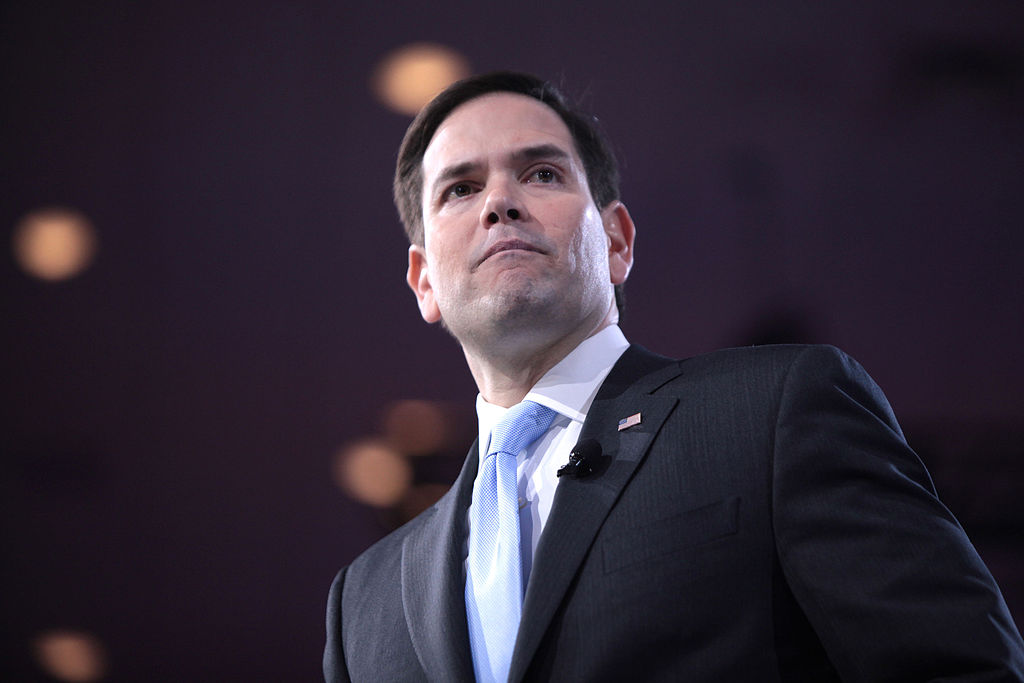
The United States will impose visa restrictions on more than 250 officials in Nicaragua’s government under President Daniel Ortega, U.S. Secretary of State Marco Rubio announced Friday, citing ongoing human rights violations.
The move targets senior members of Ortega’s regime, including those accused of participating in what the United Nations has called a “coordinated system of repression.” The crackdown follows years of authoritarian rule by Ortega and his wife, Rosario Murillo, who now serves as co-president. UN experts report that the couple has dismantled democratic institutions, co-opted the judiciary, and blurred the line between the state and ruling party.
This latest action brings the total number of Nicaraguan officials facing U.S. visa restrictions to over 2,000. "The United States will not stand for Ortega and Murillo’s continued assault on Nicaragua," Rubio said. He emphasized that their regime has systematically stripped Nicaraguans of basic freedoms and forced thousands into exile.
Nicaragua drew global condemnation in 2018 after government forces violently suppressed anti-government protests, killing over 350 people. Despite repeated international pressure, Ortega’s administration has denied wrongdoing, claiming the accusations are part of a foreign campaign to destabilize the country.
While the U.S. aims to hold the regime accountable, critics argue Washington also faces scrutiny for its own rights policies, including visa revocations for students and support for Israel’s military actions in Gaza.
The latest sanctions highlight growing international concern over Nicaragua’s political repression and the U.S. effort to pressure the Ortega-Murillo government through targeted travel bans and diplomatic isolation. The Biden administration had previously enacted similar measures, but the announcement by Rubio reflects continued bipartisan commitment to addressing authoritarianism in Central America.







